


Key Takeaways
- An innovative AI agent aims to enhance transit operations by automating planning, scheduling, and dispatch.
- By integrating AI, the system is designed to streamline planning cycles, improve schedule efficiency, and boost service reliability.
- The technology targets teams looking to elevate their service quality and operational effectiveness.
AI-Driven Improvements in Transit Operations
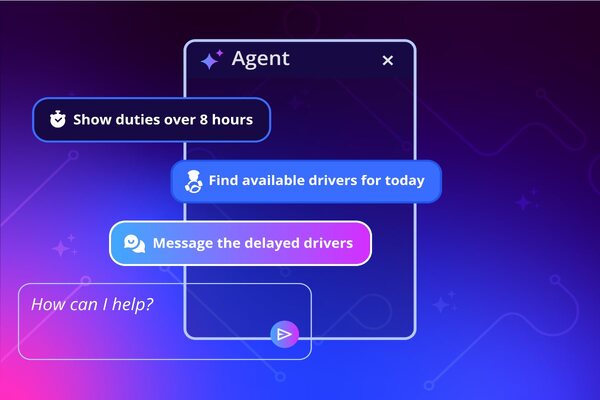
The introduction of an AI agent promises to revolutionize transit operations by automating crucial tasks such as planning, scheduling, and dispatching. This advanced technology aims to streamline operational processes, significantly reducing planning cycles and enhancing the overall efficiency of service management.
By positioning AI at the core of transit operations, the agent seeks to alleviate common challenges such as unpredictability in scheduling and delays in service delivery. This improved automation allows teams to focus more on strategic initiatives and customer interactions rather than administrative tasks that traditionally consume valuable time and resources.
The AI agent is designed with the capability to optimize scheduling dynamically, ensuring real-time adjustments based on various factors such as traffic patterns, service demand, and operational constraints. This results in a more flexible and responsive service that can adapt to changing conditions, thereby increasing reliability for passengers.
Ultimately, the integration of AI into transit operations reflects a broader trend in numerous industries toward harnessing technology for improved efficiency and productivity. As transit teams adopt these advanced tools, the potential for enhanced service quality and operational agility becomes increasingly within reach, allowing them to meet the evolving needs of their communities more effectively.
The content above is a summary. For more details, see the source article.









