


Key Takeaways
- Google has ended production of the Nest Mini and Nest Audio, marking an end to five years of their availability.
- The absence of these entry-level smart speakers could raise barriers for new users looking to join the Google Home ecosystem.
- With the rise of the Matter standard, consumers may adopt a more flexible approach to smart home devices, reducing reliance on specific entry-level products.
Changes in Google’s Smart Speaker Lineup
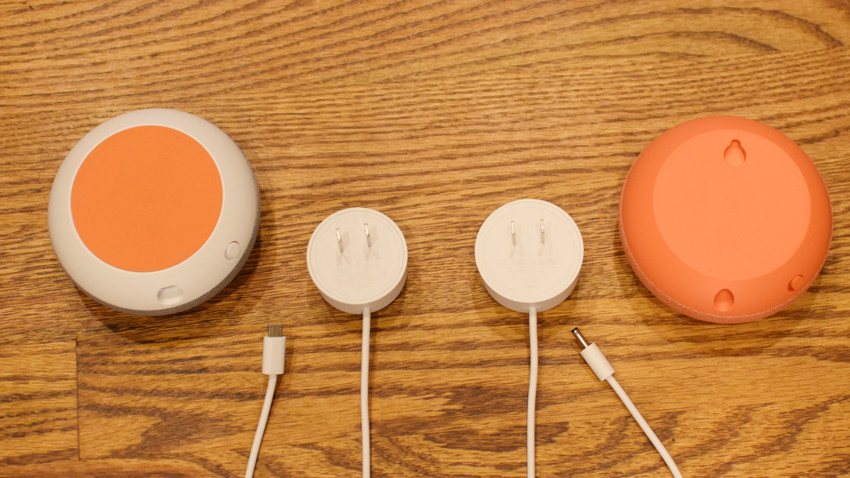
Google has announced the discontinuation of its popular Nest Mini and Nest Audio smart speakers, which have been essential in the Google Home ecosystem for over five years. While existing users will continue to receive software updates and customer support, the lack of new stock will create a gap, especially in the budget segment of smart home devices.
The Nest Mini, launched in 2019, offered an affordable way to incorporate voice control and smart home management into users’ homes. The following year’s introduction of the larger Nest Audio provided enhanced sound quality. However, with these devices now out of production, potential new users face increased hurdles to accessing smart home technology.
This situation places heightened importance on the Matter standard, which enables seamless interoperability among devices from various brands. As Matter matures, consumers can expect greater flexibility in selecting hardware based on price and features rather than needing dedicated gadgets like the Nest Mini for specific platforms.
In tandem with this shift, Google’s hardware strategy appears to be evolving. The new Google Home Speaker has been introduced as a next-generation smart home hub, featuring enhanced audio and Gemini-powered AI capabilities. Additionally, rumors are circulating about a new Google Home display, indicating further innovations could be on the way.
For current owners of the Nest Mini and Nest Audio, there is no need for immediate concern. Google has confirmed ongoing support, including software updates and security patches, ensuring these devices remain functional despite the halt in production.
The content above is a summary. For more details, see the source article.









