


Key Takeaways
- AATF officials emphasize improved agricultural productivity in Nigeria due to advanced seed varieties and biotechnology.
- They warn against donor dependency, highlighting the need for self-funded innovations to combat food insecurity.
- Dr. Mugiira stresses the importance of consistent domestic investment in agricultural technology and support systems for effective adoption.
Improved Agricultural Productivity in Nigeria
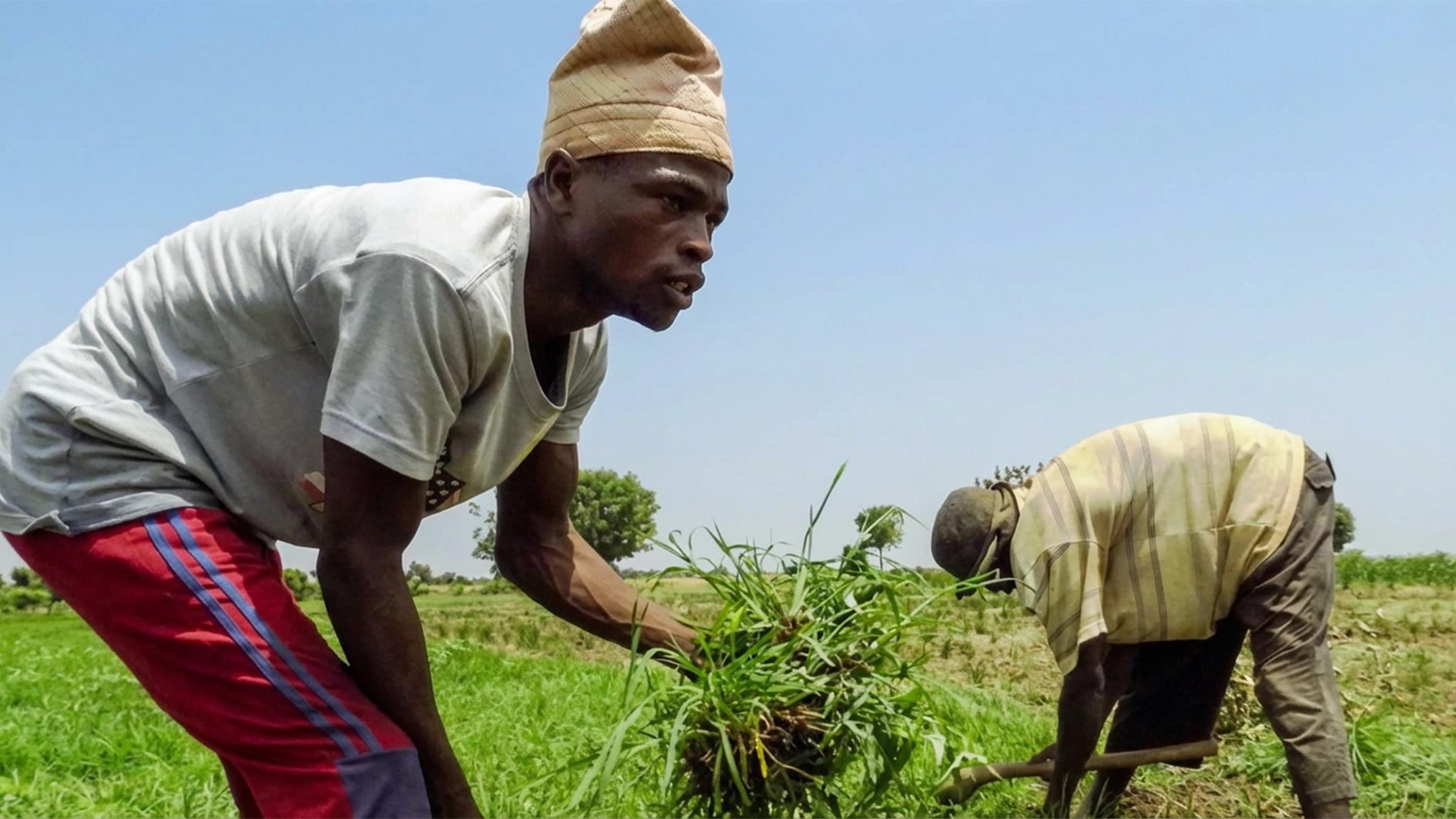
Officials from the African Agricultural Technology Foundation (AATF) have recognized the enhanced agricultural productivity in Nigeria, attributing this advancement to the adoption of improved seed varieties and biotechnology. They urged African nations to increase funding for agricultural innovations to combat food insecurity and high dependency on external support.
During a training session in Kaduna, Dr. Roy Mugiira, Senior Manager of Programme Development at AATF, stated that while Africa has developed strong scientific capability and proven technologies, the continent still lags in implementation and scaling due to inadequate investment in innovation systems. He remarked, “Africa is not short of solutions,” emphasizing the need for greater awareness, enabling policies, and continuous domestic funding to translate research into practical applications for farmers.
In Nigeria, modern agricultural technologies have shown significant benefits, including insect-resistant and drought-tolerant maize which has increased yields from an average of 2.2 tons per hectare to as much as 10 tons. Similarly, pod borer-resistant cowpeas have reduced pesticide use and increased farmer incomes. Despite these advancements, the uptake of such innovations remains slow, attributable to low public awareness, misinformation regarding biotechnology, and restrictive regulations discouraging private investment.
Dr. Mugiira noted that while African governments have made substantial investments in upstream research via universities and agricultural institutes, the commercialization of these innovations to farmers is underfunded. He cited the example of TELA maize, which illustrates the necessity for complex partnerships among multinational firms, international research entities, national agricultural systems, and donor organizations, including the Bill & Melinda Gates Foundation.
This model is effective, but it is not sustainable without more decisive involvement from African governments. He highlighted the recurring commitments from African leaders to enhance agricultural investment, as seen in frameworks like the Maputo and Malabo Declarations, which suggest allocating at least 10% of national budgets to agriculture. However, actual implementation has fallen short in various nations. Insufficient funding hampers critical aspects like farmer education, seed systems, and regulatory efficiency, ultimately limiting the potential impact of existing innovations.
Dr. Mugiira urged a shift from mere policy discussions to concrete financial commitments. Enhancing budget allocations for agriculture and innovation systems, improving extension services to raise farmer awareness, creating regulatory conditions conducive for private sector investment, and fostering public-private partnerships are crucial steps for accelerating the deployment of technology.
He concluded that while there is no one-size-fits-all solution to Africa’s agricultural challenges, innovation must be intentionally funded and developed by the continent itself. Encouragingly, farmers have shown a willingness to adopt new technologies, even with higher initial costs, when clear productivity and income gains are reported, indicating that the system’s ability to deliver innovations at scale is the primary hurdle. The future of Africa’s food systems relies on the decisions made now, making innovation not just an option but an essential priority.
The content above is a summary. For more details, see the source article.









