


Key Takeaways
- U.S.-Iran negotiations continue in Switzerland, with Vice President JD Vance reporting “great progress.”
- The Strait of Hormuz, crucial for global trade, is at risk, especially with Iran demanding an end to hostilities.
- Recovery of disrupted supply chains for energy and fertilizers will take time, even if the strait reopens.
Negotiations Progress Amid Strait Concerns
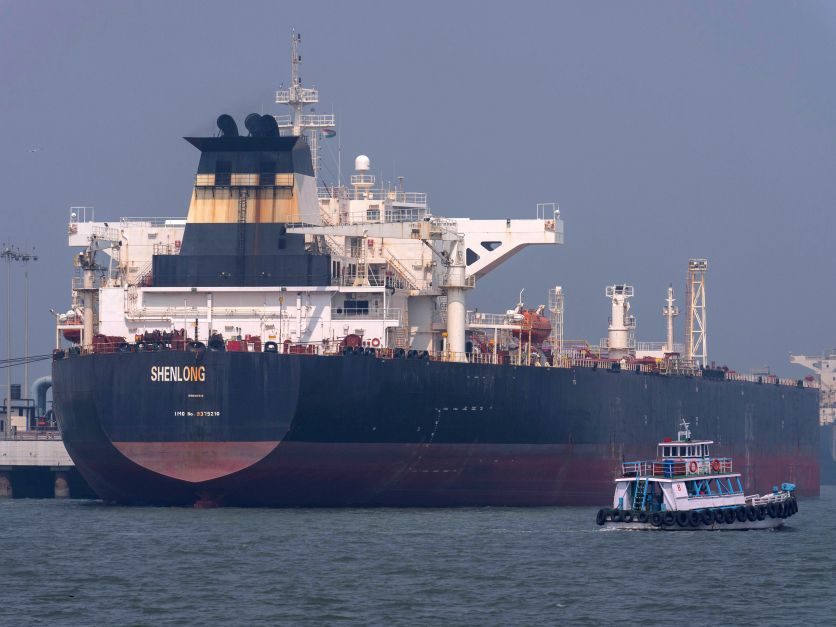
U.S. negotiations with Iran to end ongoing hostilities have advanced significantly over the weekend, despite uncertainties surrounding the Strait of Hormuz. The Iranian military announced the strait’s closure late Saturday, citing “ongoing attacks against Lebanon” from Israel. Vice President JD Vance reported on Sunday that discussions in Switzerland with Iranian officials, mediated by Pakistan and Qatar, have made “great progress.”
The anticipated reopening of the strait has already impacted commodity prices, with a noted decrease in petroleum oil and fertilizer costs. The U.S. Central Command confirmed an increase in commercial shipping traffic, with 55 vessels transporting over 17 million barrels of oil through this vital trade route. However, Iran insists that negotiations will cease if Israel continues its actions in Lebanon, emphasizing its stance through the Revolutionary Guards-backed Tasnim news agency.
Supply Chain Recovery Challenges
Experts caution that even with a hopeful reopening of the strait, the recovery of global energy and fertilizer markets will take considerable time. Corey Rosenbusch, president and CEO of The Fertilizer Institute, stated that restoring trade flows is an intricate process and will not happen immediately. He highlighted three critical points:
– The U.S. planting season is mostly concluded, and despite the strait’s closure, some fertilizer prices have returned to pre-war levels.
– An estimated 3 to 4 million tons of urea, a vital nitrogen fertilizer, remain held up due to the strait’s closure, with uncertainty about how much has been sold.
– The extensive damage to relevant facilities remains unknown, and repairing them could take months, especially for oil and natural gas operations. This delay affects sulfur production, which is essential for phosphate fertilizers, further disrupting global production.
The Fertilizer Institute noted that about 40% of the world’s urea exports and half of sulfur supplies transit through the Strait of Hormuz. Given these dependencies, the implications for global agricultural markets are significant.
Impact on Rural Hospitals
Four senators raised concerns about the Rural Health Transformation Program, arguing that its structure may disadvantage rural hospitals, which often have limited resources. In a letter to the Centers for Medicare & Medicaid Services, they pointed out that larger institutions could better compete for funding. They urged the agency to revise caps on funding for rural facilities and clarify benefits for providers.
Broadband Mapping Bill Passed
The Senate recently approved a bill mandating the Federal Communications Commission (FCC) to reevaluate its methods for creating a broadband map. This legislation aims to enhance transparency and address flaws that have affected federal broadband funding allocations.
Upcoming Farm Bill Legislation
With the Senate’s working days dwindling, the Agriculture Committee is poised to present new farm bill legislation. Proposed measures focus on improving food bank access to fresh produce and bolstering resilience in U.S. food supply chains amid growing economic pressures on farmers.
USMCA Agreement Stability
The U.S. Dairy Export Council emphasized the need for the U.S.-Mexico-Canada Agreement to remain intact. Concerns were raised about Canada’s adherence to previously made commitments regarding dairy market access for U.S. products, highlighting competitive challenges posed by the European Union regarding food labeling.
In closing remarks, experts pointed to the slow recovery expected in fertilizer markets and supply chains, emphasizing the need for careful monitoring as negotiations and trade flows evolve.
The content above is a summary. For more details, see the source article.









