


Key Takeaways
- The global green industry is projected to grow to $7 trillion by 2030, driven by rising demand for renewable technologies.
- China is rapidly upgrading infrastructure and establishing itself as a leader in clean energy, while promoting sustainable practices in global trade.
- The U.S. is retreating from green initiatives, risking further entrenchment as a fossil fuel-dependent economy, while China advances its clean energy agenda.
China’s Green Ambitions Drive Global Change
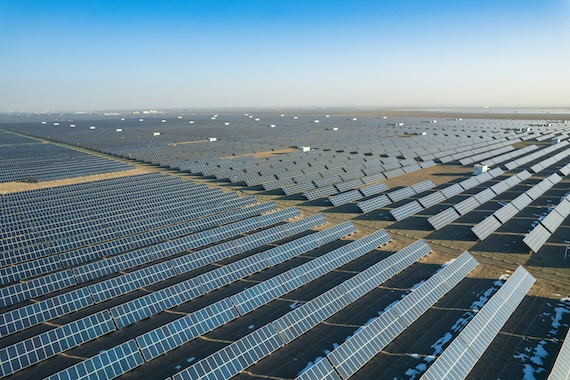
Cheaper renewable energy technologies and Beijing’s focus on green energy are accelerating the global transition to an environmentally sustainable economy. The World Economic Forum estimates the global green sector is currently valued at over $5 trillion, expected to reach $7 trillion by 2030. This growth correlates with rising public demand for solar panels, electric vehicles, and heat pumps amid climbing fuel costs.
Chinese expertise in clean energy is increasingly sought after, particularly in regions like the Middle East. Notable contracts have been awarded to Chinese firms for renewable energy projects, such as a $2.7 billion deal in Saudi Arabia to develop solar and wind infrastructure. Chinese innovations are being integrated into global industries, as seen with a recent agreement involving COFCO Group, which commits to sustainable soybean sourcing from Brazil, marking a significant step towards greener agricultural practices.
China is actively rolling out its 2026-2030 Five-Year Plan, which emphasizes clean energy utilization across domestic companies. Aiming to set global standards under its China Standards 2035 strategy, the plan also includes binding targets for renewable energy usage starting August 1. By increasing clean energy consumption, China aims to lower the carbon footprint of its exports, thus positioning itself as a leader in the global green economy.
In contrast, the U.S. administration has rolled back various environmental protections, opting for policies that favor traditional fossil fuels. This includes halting wind projects in favor of natural gas plants, contributing to a narrative of pro-fossil fuel retrenchment. Critics argue these moves could hinder America’s competitiveness in the global green arena while stifling investment in domestic clean energy infrastructure.
As the world transitions towards a greener future, the U.S. risks lagging behind China, whose commitment to renewable energy may reshape the global energy landscape. The dichotomy between the U.S.’s retreat from green initiatives and China’s proactive strategies indicates a significant shift towards a future where clean energy plays an essential role in global economics, particularly by 2030.
The content above is a summary. For more details, see the source article.









