


Key Takeaways
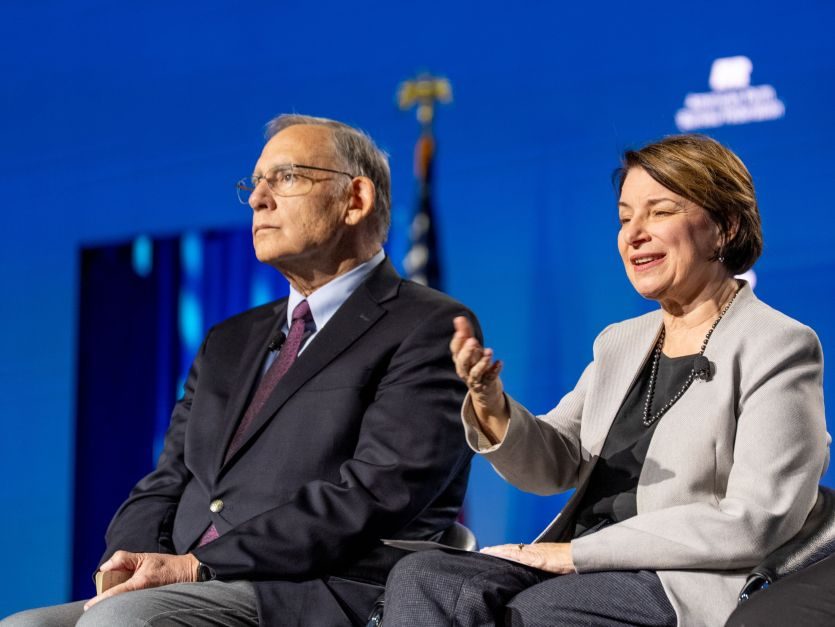
- Senate Agriculture Committee Chairman John Boozman introduced a farm bill draft that aims to enhance support for agricultural producers and improve rural healthcare.
- The draft excludes contentious issues surrounding the Supplemental Nutrition Assistance Program (SNAP), signaling potential partisan negotiations ahead.
- Key provisions focus on disaster relief for specialty crops, modernization of USDA loan programs, and enhanced farm credit access for producers.
New Legislation for Agriculture and Rural America
Senate Agriculture Committee Chairman John Boozman has revealed a comprehensive draft of a new farm bill, referred to as “farm bill 2.0.” This legislation is designed to bolster support for a wide range of agricultural producers, enhance transparency in fertilizer markets, and improve healthcare access for rural communities. The bill plans to reauthorize various agricultural programs through 2031, building on initiatives from last year’s One Big Beautiful Bill Act. Republican committee members emphasize that the draft seeks to modernize federal support, providing more certainty to producers while addressing rural community needs, agricultural trade, and national food security.
Notably, the draft avoids some highly controversial topics that previously stalled the House’s efforts to create a farm bill, such as the costs states face regarding the Supplemental Nutrition Assistance Program (SNAP). Democrats are advocating for a delay to further evaluate these costs, which they claim could impose significant financial burdens on certain states, potentially jeopardizing food aid programs.
Boozman stated that discussions with Democrats over nutrition policy are ongoing, but remained vague on specifics. Democratic members expressed that while the draft falls short on some critical concerns, they are open to bipartisan collaboration to negotiate an effective bill that could pass the Senate.
Amidst these political negotiations, Sen. Boozman asserted that an updated farm bill is long overdue, particularly given the significant economic changes since the last comprehensive bill was enacted in 2018. The draft aims to modernize USDA loan limits, allowing producers to access essential capital based on current economic conditions.
The discussion draft incorporates over 100 bipartisan proposals, addressing critical issues such as crop insurance, rural broadband access, specialty crops, and conservation efforts. Sen. Chuck Grassley, R-Iowa, expressed hope that provisions from the House bill could influence the final legislation, while noting key elements of his own proposals are included in the draft.
Among the proposed highlights, the draft includes provisions for disaster assistance for specialty crop growers, aiming to create a clearer and more structured support framework compared to previous ad hoc assistance. Additionally, it envisions expanding existing disaster programs, offering greater flexibility for the USDA in administering aids based on producers’ prior-year sales.
The nutrition policy aspect is anticipated to trigger significant partisan debates, as the draft does not incorporate Democrats’ aims to delay or modify certain SNAP provisions. However, it does contain “Buy American” requirements for school lunches and initiatives for online SNAP purchasing, which supporters argue will enhance domestic agricultural markets.
In terms of conservation efforts, the draft reauthorizes the Conservation Reserve Program to 2031, while also increasing payment limitations for various assistance programs aimed at promoting sustainable practices.
The draft further includes heightened provisions for agricultural trade promotion and steps to modernize USDA loan programs, significantly increasing loan limits to better align with rising production costs. This is seen as a vital step in supporting farmers and ranchers in today’s economic environment.
In rural development, the bill proposes expanding access to healthcare, improving infrastructure for rural hospitals, and enhancing broadband initiatives to bridge the connectivity gap in underserved areas.
Overall, while the draft offers many advancements, legislators continue to navigate contentious issues, with the ongoing negotiations likely shaping the future of U.S. agriculture for years to come.
The content above is a summary. For more details, see the source article.









