


Key Takeaways
- President Trump signed an executive order aimed at promoting precision agriculture and expediting pesticide approvals.
- The order emphasizes cumulative health effects of pesticides and encourages private-public partnerships in agriculture.
- Trump announced that Iran will begin purchasing U.S. agricultural products amidst ongoing discussions on market dynamics.
New Executive Order on Agriculture
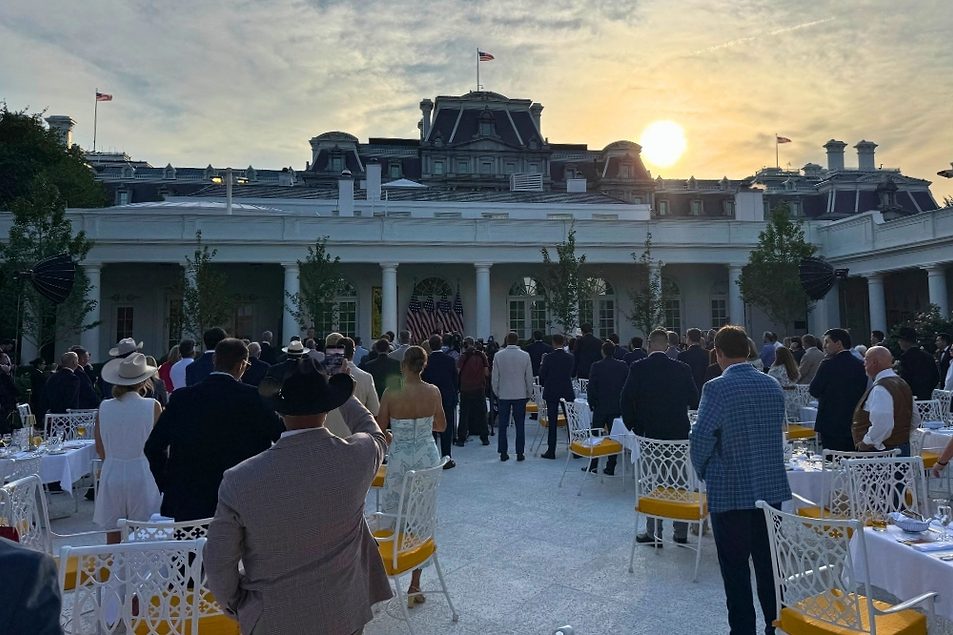
President Trump recently signed an executive order titled “Advancing Regenerative Agriculture and Strengthening American Farm Resilience” to enhance agricultural practices in the United States. This initiative aims to accelerate the adoption of precision agriculture techniques and streamline the approval process for new pesticide active ingredients. The signing took place shortly before a dinner with farmers at the White House Rose Garden.
The executive order instructs the USDA, EPA, and the Department of Health and Human Services (HHS) to develop a framework to evaluate cumulative pesticide exposure across various chemical classes in the food supply. It emphasizes the need for the EPA to prioritize the registration of alternative substances to older pesticides and ensure compliance with safety and environmental standards.
During the dinner, Trump highlighted the importance of federal investment in regenerative agriculture, stating that “it is the policy of the United States to promote continued advances in precision agriculture technologies.” The executive order also encourages private-sector innovations by reducing bureaucratic hurdles and enhancing collaboration between public and private sectors.
HHS Secretary Robert F. Kennedy Jr. noted that his agency will work with the USDA and the EPA to initiate a challenge aimed at finding innovative solutions to manage and assess chemical exposures on health. The USDA is also tasked with maximizing funding for its existing $700 million Regenerative Pilot Program, which focuses on innovative farming practices that improve soil health, reduce costs, and boost overall farm profitability.
In an additional announcement, Trump stated that Iran is preparing to purchase American agricultural products. He asserted that Iran is struggling with food supplies and expressed confidence that U.S. exports, including wheat, soybeans, and corn, would soon flow to the country. While the U.S. exported $3.4 million in farm goods to Iran last year, this mainly included items other than these grains, prompting critics to question the validity of Iran’s purchasing capability.
Trump expressed support for maintaining the ethanol industry, emphasizing the significance of year-round E15 gasoline, which he claims benefits American farmers. He indicated that comprehensive legislation around higher ethanol blends may be included in forthcoming agricultural bills, showing optimism for passage in Congress.
The evening’s dinner was attended by a broad array of guests, ranging from lawmakers, agricultural leaders, to social media influencers. The menu featured locally sourced dishes, including a grilled prime New York strip steak and a dessert of roasted peaches. Guests left with organic garden seeds and tomato jam produced by the White House chefs.
Overall, the executive order reflects a strategic move to bolster American agriculture, improve farmer resilience, and stimulate economic growth in rural areas. With the emphasis on regenerative practices, it aims to align federal efforts with the interests of farmers committed to sustainable agriculture.
The content above is a summary. For more details, see the source article.









