


Key Takeaways
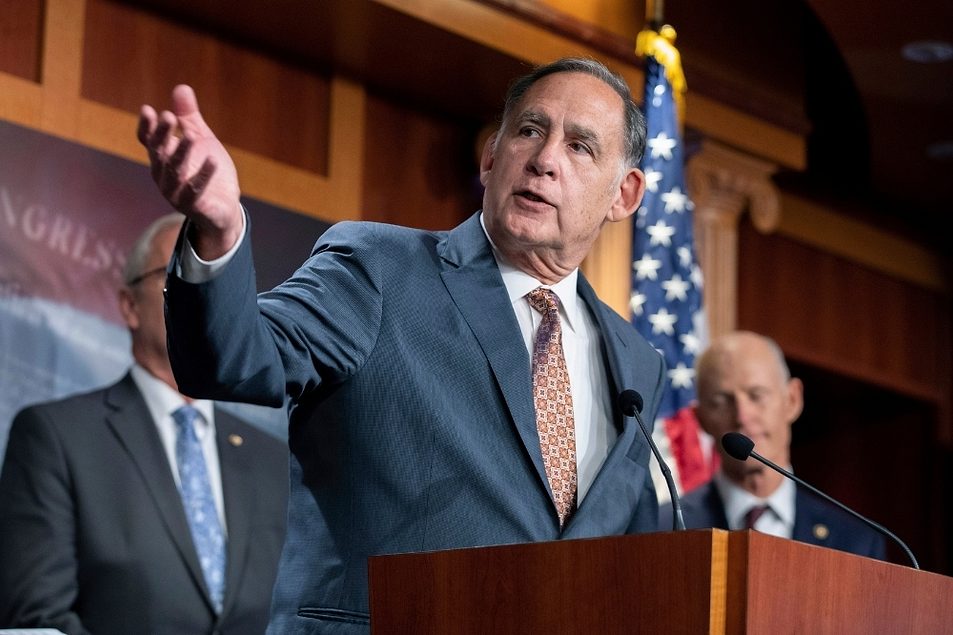
- Senate Ag Committee Chair John Boozman is open to providing states with relief on SNAP cost-sharing compliance challenges.
- Only nine states met the required payment error rate of below 6%, with a national average of 10.62%.
- Boozman believes year-round sales of E15 fuel could be included in upcoming legislation, expanding access to higher ethanol blends.
Discussion on SNAP Compliance Challenges
Senate Ag Committee Chair John Boozman has expressed a willingness to offer support to states struggling with the cost-sharing requirements for SNAP benefits outlined in last year’s One Big Beautiful Bill Act. His remarks came during an interview with Agri-Pulse after the committee released a discussion draft of the farm bill.
Boozman noted that states have faced unexpected difficulties in reducing their payment error rates below the required 6% threshold that will trigger cost-sharing mandates starting in October 2027. “We’re talking about seeing if we can remedy that,” he stated, indicating ongoing discussions with Senator Amy Klobuchar and other officials to find a solution that alleviates pressure on states.
Recent data from the USDA has shown that only nine states managed to meet the compliance benchmark for fiscal year 2025, while the national average payment error rate stood at 10.62%. When asked if the latest error report influenced his perspective, Boozman acknowledged that many states are likely to struggle but emphasized that the new information provides a clearer view of the situation. “I think it’s fair for the states to say, ‘Hey, look at this. We’re committed to doing the right thing, but you’ve made it really difficult for us to get there,'” he added.
Multiple governors and state officials have raised concerns about outdated data systems and the simultaneous implementation of changes to both SNAP and Medicaid programs. Boozman pointed out that the fresh requirements could create significant financial burdens on some states despite their sincere attempts to comply. A report from the Center on Budget and Policy Priorities estimates that states might need to allocate around $9 billion in benefits if they exceed the error rate threshold.
In another discussion, Boozman commented on the Senate farm bill’s exclusion of language related to California’s Proposition 12, maintaining that there is currently insufficient Democratic support in the Senate to push this issue forward. He stated that the most promising avenue for this provision lies in conference negotiations with the House, where the farm bill includes measures aimed at curtailing state regulations affecting agricultural production.
Finally, regarding the potential for year-round sales of E15 fuel, Boozman is optimistic that this language will be incorporated into an almost $90 billion supplemental government funding package, as proposed by President Trump. If that plan does not materialize, he remains hopeful that E15 legislation could be passed as a standalone bill. “We’re committed to getting it done, and I believe that we have an excellent chance of getting it done this Congress,” he remarked, reinforcing his determination to advance this issue.
The content above is a summary. For more details, see the source article.









