


Key Takeaways
- Envision Energy signed a 660 MWh battery storage agreement with SOLA Group for the Naos-1 project in South Africa.
- The project aims to combine 300 MW of solar power with battery storage to enhance energy reliability and flexibility.
- South Africa’s battery energy storage market is poised for significant growth, projected to increase up to 700% by 2030.
Naos-1 Project Overview
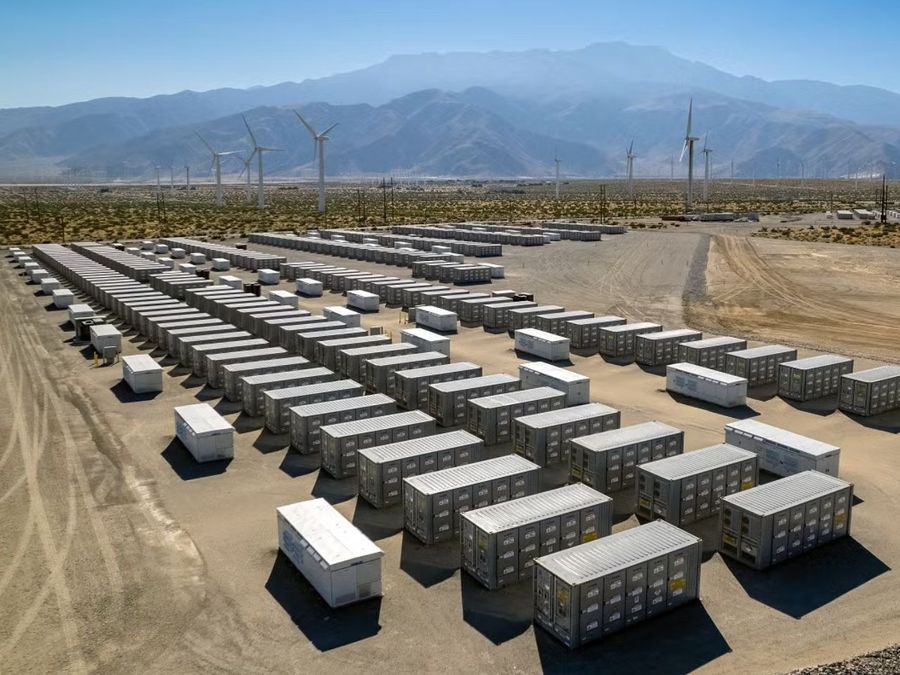
Envision Energy has entered into a pivotal agreement with South Africa’s SOLA Group and construction firm WBHO for the Naos-1 project, featuring a 660 MWh battery energy storage system (BESS). This initiative represents a milestone in the development of South Africa’s largest privately contracted hybrid renewable energy project. Located in the Free State province, Naos-1 will integrate 300 MW of solar photovoltaic (PV) generation with the battery storage system, ensuring reliable energy supply to large private businesses.
The system is designed for electricity wheeling, allowing power generated at Naos-1 to be delivered to customers across the national grid. This approach is intended to counteract the intermittent nature of renewable energy while bolstering grid reliability and operational flexibility.
End-to-End Solutions by Envision
As part of the agreement, Envision will oversee the lifecycle of the energy storage system, offering services that include design, manufacturing, operation, and maintenance. Utilizing advanced battery technology and AI-driven energy management, the company aims to optimize the system’s performance and ensure safe and efficient operations throughout its lifespan. Additionally, a 25-year Long-Term Service Agreement (LTSA) with SOLA Group will secure ongoing operational support for the battery system.
Market Trends and Future Prospects
The demand for flexible, clean energy is growing, highlighting the need for innovations in energy infrastructure. Leaders from both Envision and SOLA Group expressed optimism about the project’s potential to set new standards for energy solutions that balance sustainability and cost-effectiveness.
Despite being in its infancy, South Africa’s BESS market shows promising growth potential. Currently, there are fewer than 30 operating BESS projects delivering over 50 MWh. According to market forecasts, installed capacity could surge by 700% between 2025 and 2030.
With a significant decline in coal capacity expected and rising peak demand, South Africa faces potential energy supply deficits by the mid-2030s. The transition to renewables, bolstered by battery solutions, will be crucial to address this challenge.
China’s role is pivotal, as the competitive pricing of solar PV and batteries has facilitated rapid installations across the continent. Notably, solar PV module prices in Sub-Saharan Africa have dropped by 66% due to increased production capabilities in China, which is fundamental to the region’s clean energy future.
The content above is a summary. For more details, see the source article.









