


Key Takeaways
- Stakeholders emphasize the need for AI systems tailored to community needs in Kenya’s agriculture and healthcare sectors.
- The partnership between Samawati Collective and SemaBOX aims to promote public-interest AI in line with Kenya’s National AI Strategy 2025–2030.
- Experts highlight AI’s potential to improve maternal healthcare and agricultural decision-making, while warning about risks of widening inequality.
Embracing AI for Community Benefit
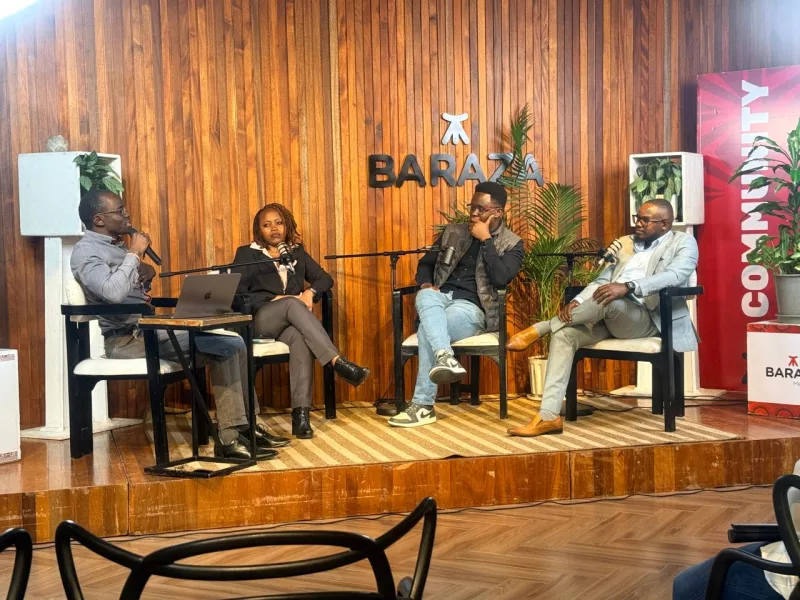
During a recent panel discussion in Nairobi, stakeholders from technology, healthcare, agriculture, government, and civil society expressed the importance of developing artificial intelligence (AI) systems that address the specific needs of Kenyan communities. The event, organized by Samawati Collective and SemaBOX, marked the launch of a partnership aimed at fostering public-interest AI aligned with Kenya’s National AI Strategy for 2025–2030.
The discussion focused on the significance of AI in agriculture and healthcare—two critical sectors for Kenya’s economy and public health. Agriculture accounts for approximately one-third of the country’s GDP, with smallholder farmers producing about 80 percent of agricultural outputs. However, many farmers lack access to timely data and weather forecasts that AI technologies can offer.
In healthcare, statistics reveal that around 90 percent of maternal and neonatal deaths in Kenya are preventable, a significant portion linked to delays in seeking medical attention when danger signs appear. Maurice Otieno, Executive Director of Samawati Collective, asserted the necessity for communities to play an active role in determining how AI is applied. “The only question is whether the people affected have a seat at the table,” Otieno said, emphasizing the significance of involving farmers, mothers, and healthcare practitioners in the decision-making process.
The panel featured influential figures such as Javan Waita from Jacaranda Health, Tina Mkara from Esri Eastern Africa, and Immanuel Momanyi from Villgro Africa. Dan Aceda, Founder of SemaBOX, highlighted the need for African communities to narrate their own technological stories, stating, “Through this partnership, the mothers, farmers, and clinicians will shape the narrative and the tools.”
Waita provided insights into Jacaranda Health’s PROMPTS platform, which utilizes AI to assist nurses in managing inquiries from mothers. The platform has positively impacted health-seeking behavior, identifying approximately seven percent of cases that require urgent medical attention. He emphasized the necessity of sustainable funding, noting that government investment is crucial for scaling successful health technologies.
Mkara remarked that AI should extend beyond just weather forecasting to provide actionable insights for farmers, such as linking them with insurance and ensuring drought-resistant seeds are accessible. She also indicated that AI could enhance accountability in public spending, especially in health insurance.
While the benefits of AI are evident, discussions also highlighted concerns about the potential for widening inequality if barriers, such as internet access and literacy, are not addressed. The panelists underscored the importance of integrating local knowledge alongside scientific data to create solutions that truly serve Kenyan communities.
The content above is a summary. For more details, see the source article.









