


Key Takeaways
- Soybean futures rose nearly 4% due to concerns over extreme weather and anticipated purchases by China.
- The U.S. Trade Representative is conducting hearings on proposed tariffs on imports produced with forced labor.
- A resurgence of avian influenza is affecting dairy herds in Idaho and Utah, with potential implications for milk production.
Weather Concerns Drive Soybean Prices Up
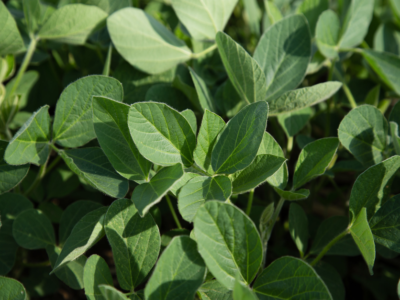
Soybean futures surged almost 4% on Monday, marking the most significant increase in nearly a year. This rise was largely driven by extreme weather concerns and speculation that Chinese importers are preparing to buy five soybean cargoes from the U.S. Austin Schroeder of Schroeder Commodity Marketing indicated that these purchases might contribute to a positive market outlook. Additionally, reports suggest ongoing negotiations between the U.S. and China regarding a mutual Board of Trade, which has further fueled hopes for increased soybean imports.
Corn and wheat prices also saw marked increases, rising 3.7% and 2.4%, respectively, as they recovered from a challenging growing season characterized by abnormally hot and wet conditions. Virginia McGathey from McGathey Commodities noted that heatwaves hitting central and eastern U.S. areas have raised weather-related concerns. European forecasts predict a hot and dry August for the Midwest, although some U.S. forecasters are challenging this view.
In Iowa, weather variability has been stark, with some areas experiencing double the normal rainfall, leading to significant flooding issues, according to Iowa Agriculture Secretary Mike Naig. Contrastingly, regions affected by drought have seen much-needed rainfall. The forecast predicts thunderstorms across the state midweek, followed by warmer and drier weather expected through mid-July.
USTR Holds Tariff Hearings
The Office of the U.S. Trade Representative (USTR) has initiated a series of hearings to evaluate proposed Section 301 tariffs for goods imported from 60 nations linked to forced labor issues. These hearings, running from July 7 to July 9, will discuss ad valorem tariffs that range from 10% to 12.5%. USTR commenced investigations on March 12, shortly after the Supreme Court annulled the prior administration’s broader tariffs. Certain agricultural products, including bovine goods, have been exempted from these tariffs.
Various agricultural organizations, such as the U.S. Cattlemen’s Association and the Organic Trade Association, are scheduled to present during these hearings. Additionally, USTR will address a separate proposal suggesting a 25% tariff on Brazilian imports, with beef products exempted.
Retaliatory Tariffs Proposed on Brazilian Ethanol
During the tariff discussions, the Renewable Fuels Association (RFA) expressed support for imposing a 25% levy on most Brazilian imports, particularly focused on ethanol. RFA’s general counsel, Edward Hubbard, emphasized that the proposed tariff aligns closely with Brazil’s long-standing 18% duty on U.S. ethanol imports. He argued that Brazil’s recent trade barriers have strained the once beneficial trade relationship that existed in the ethanol sector.
U.S. ethanol exports to Brazil have dwindled from constituting a third of all exports in 2018 to only about 1.3% in 2024. Hubbard highlighted that Brazil’s RenovaBio policy has an ambitious goal of generating significant biofuel demand by 2030 but noted that U.S. ethanol plants have yet to gain full certification for credit generation under the program.
USDA Seeks Input for Food for Peace Program
The U.S. Department of Agriculture (USDA) is inviting public feedback to enhance the Food for Peace program, which aims to address global food insecurity while supporting U.S. farmers. With a focus on prioritizing American agriculture, USDA seeks insights on various aspects, including increasing food security, logistical needs, and nutritional quality. Responses are due by 5 p.m. EST on July 24.
Resurgence of Avian Influenza in Western Dairy Herds
Recent data from the USDA indicates a resurgence of highly pathogenic avian influenza (HPAI) impacting dairy herds in the West, particularly in Idaho and Utah. While many dairy cattle recover from HPAI, it can adversely affect milk production levels.
IDFA Supports Emerging Trade Agreements
The International Dairy Foods Association (IDFA) has expressed support for the U.S.-Uzbekistan early harvest trade commitments and the finalized U.S.-EU trade agreement effective July 1. These agreements are perceived as beneficial for U.S. dairy supply chains, despite dairy products not being included in the Uzbekistan deal.
Overall, a combination of weather concerns, trade negotiations, and disease outbreaks continues to affect the agricultural landscape, prompting calls for sustained attention to these critical issues.
The content above is a summary. For more details, see the source article.









