


Key Takeaways
- Ag Processing Inc. has successfully shipped the first-ever U.S. unit train of soy oil from its new processing facility in Nebraska.
- The milestone is part of a larger trend of expanding biofuel supply chains in the U.S. driven by increased demand for renewable fuels.
- The new facility enables Nebraska to process about 75% of its soybeans, enhancing local economies and supply chains.
Historic Shipment and Expanding Infrastructure
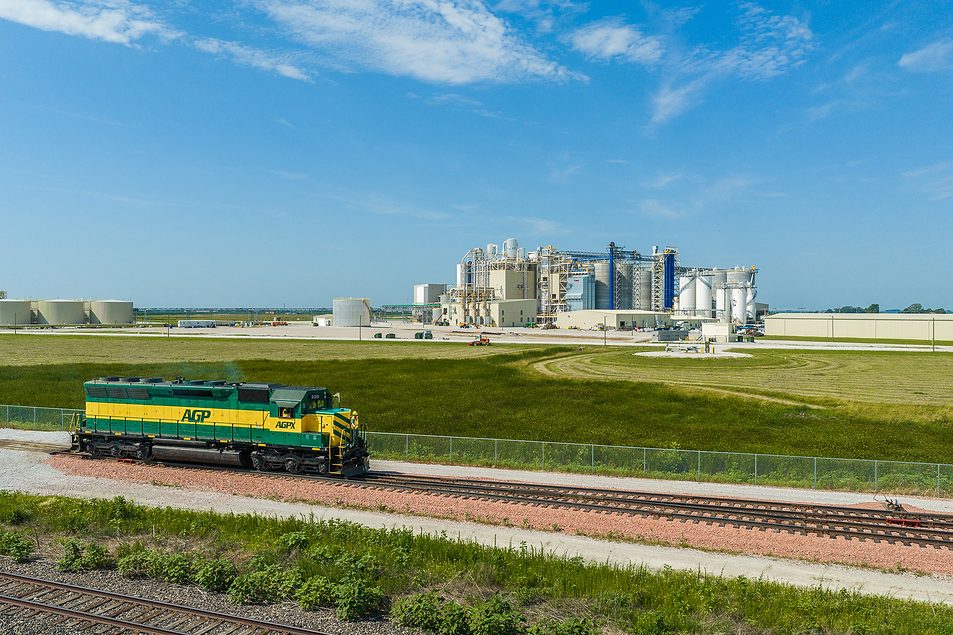
Ag Processing Inc. (AGP) has made a significant advancement in the biofuel sector by shipping the first-ever unit train of soy oil from the United States. This momentous event, taking place at AGP’s latest soybean processing facility located in David City, Nebraska, signifies a notable shift in the nation’s biofuel logistics. The shipped soy oil is designated for production of renewable biofuels, highlighting the increased efficiency of transporting agricultural products.
Unit trains transport large quantities of bulk materials directly to a specified destination without intermediate stops, a process that greatly improves logistics for agricultural products. This development stems from AGP’s 11th soybean crushing plant, which began operations last year in east-central Nebraska. The plant includes a dedicated track that spans 13 miles for transporting both soy oil and soy meal, facilitating a much-needed infrastructure improvement historically lacking in the long-distance rail transport of soybean oil.
In the past, soy oil has typically been moved via trucks or shorter rail trains, leading to delays and inefficiencies in the supply chain. As demand for biofuels like renewable diesel and sustainable aviation fuel surges, agribusinesses such as AGP are investing billions to boost U.S. oilseed crop processing capacity. This investment aligns with the growing market for sustainable energy alternatives, propelled by the use of renewable materials such as soybeans and canola.
AGP’s new facility dramatically changes the landscape for soybean processing in Nebraska. With the capability to crush around 75% of locally grown soybeans, the plant reduces the need to ship these products out of state. This improvement saves both time and expenses while also supporting local agricultural economies. According to Courtney Lawrenson, Senior Vice President of Oils & Energy at AGP, the project is fundamentally about strengthening the domestic supply chain. “This isn’t simply about moving more product,” Lawrenson stated. “It’s about building a stronger domestic supply chain that supports American agriculture, American energy, and long-term value for our cooperative owners.”
Overall, this development signals a promising evolution in American agricultural logistics, fostering a successful biofuel supply chain while enhancing the economic viability of local farming. AGP’s efforts not only bridge existing gaps in infrastructure but also pave the way for a more sustainable agricultural and energy future in the United States.
The content above is a summary. For more details, see the source article.









