


Key Takeaways
- Drone deliveries in south west London can cut transport time for NHS samples from 20 minutes to just over 3 minutes.
- SWLP plans to expand its drone network to more hospitals and GP sites, potentially benefiting over 1.8 million residents.
- Electric drones reduce CO₂ emissions by 98% per delivery compared to traditional vans, supporting NHS sustainability goals.
Drone Deliveries Transform NHS Pathology Logistics
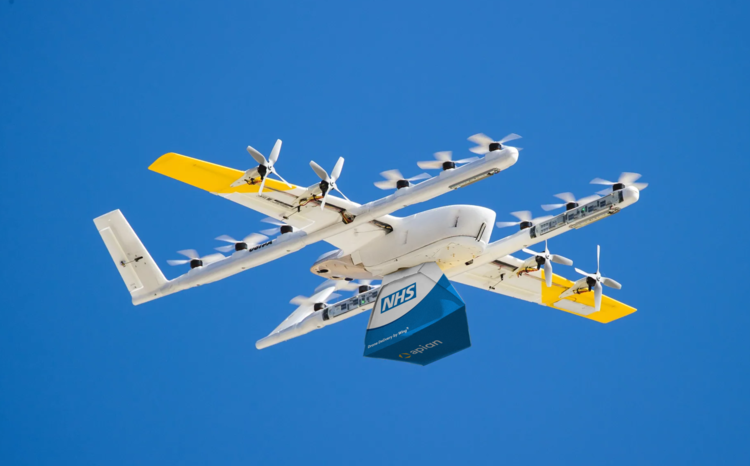
South West London Pathology (SWLP) is revolutionizing its logistics by incorporating drones for the delivery of urgent pathology samples. A pilot program has demonstrated that drones can transport samples from the Nelson Health Centre in Raynes Park to St George’s Hospital in Tooting in just over three minutes, compared to approximately 20 minutes via road.
This initiative is a collaboration with Apian, a healthcare logistics firm, aimed at enhancing the speed and reliability of sample transportation while mitigating the issues caused by London’s congested roads. Serving a population of around 1.8 million, SWLP processes approximately 51 million samples annually for NHS trusts and GP practices in the region.
Simon Brewer, managing director of SWLP, emphasized the importance of automation in improving diagnostic speed and precision across the network. He noted, “The impact of this investment will be restricted if samples are still getting stuck on roads. Drones help us move samples faster, cheaper, and greener, and are now a core consideration of our logistics plans.”
The network’s plans for drone expansion include connecting to additional sites such as St Helier, Croydon, and Kingston hospitals, alongside other primary care facilities. To date, over 2,000 patients have benefitted from the drone delivery service, which has reportedly increased delivery speed by up to 85% compared to traditional ground transport. This expedited service aids clinicians in making timely treatment decisions.
SWLP anticipates that the broad adoption of drones could lead to reduced logistics costs. Some routes may see drone deliveries at rates up to 23% cheaper than current urgent courier services, with further cost reductions expected as the network grows.
Environmental advantages are another significant aspect of this initiative. The electric drones used for deliveries generate 98% less CO₂ emissions per delivery compared to delivery vans, aligning with the NHS’s goals to reduce its overall carbon footprint. The implementation at Nelson Health Centre represents a pioneering effort, marking the first routine use of drones for collecting pathology samples from an NHS primary care facility.
Andy Christodoulou, senior portfolio manager at Community Health Partnerships, which oversees the health center, described the project as “a fantastic innovation” that illustrates how NHS infrastructure can support new healthcare delivery models.
Dr. Sabena Mughal, NHS pediatric consultant and director of healthcare partnerships at Apian, remarked on the significance of the project, stating, “Drone delivery is no longer a novelty; it has become an essential part of healthcare logistics.” The focus now shifts to expanding similar drone services across the NHS, enhancing the speed, efficiency, and sustainability of healthcare logistics in the region.
The content above is a summary. For more details, see the source article.









