


Key Takeaways
- Micron has entered a Strategic Customer Agreement to bolster its supply chain, focusing on both AI and automotive sectors.
- The automotive industry, facing a supply crunch, has become a key target for Micron to maintain job stability in the U.S.
- Micron’s involvement in automotive may help mitigate pressure from a pending federal lawsuit related to alleged market manipulation.
Strategic Shift to Automotive Sector
The surge in AI technology has propelled Micron into the trillion-dollar valuation club. To secure its market position, the memory manufacturer has established a Strategic Customer Agreement (SCA).
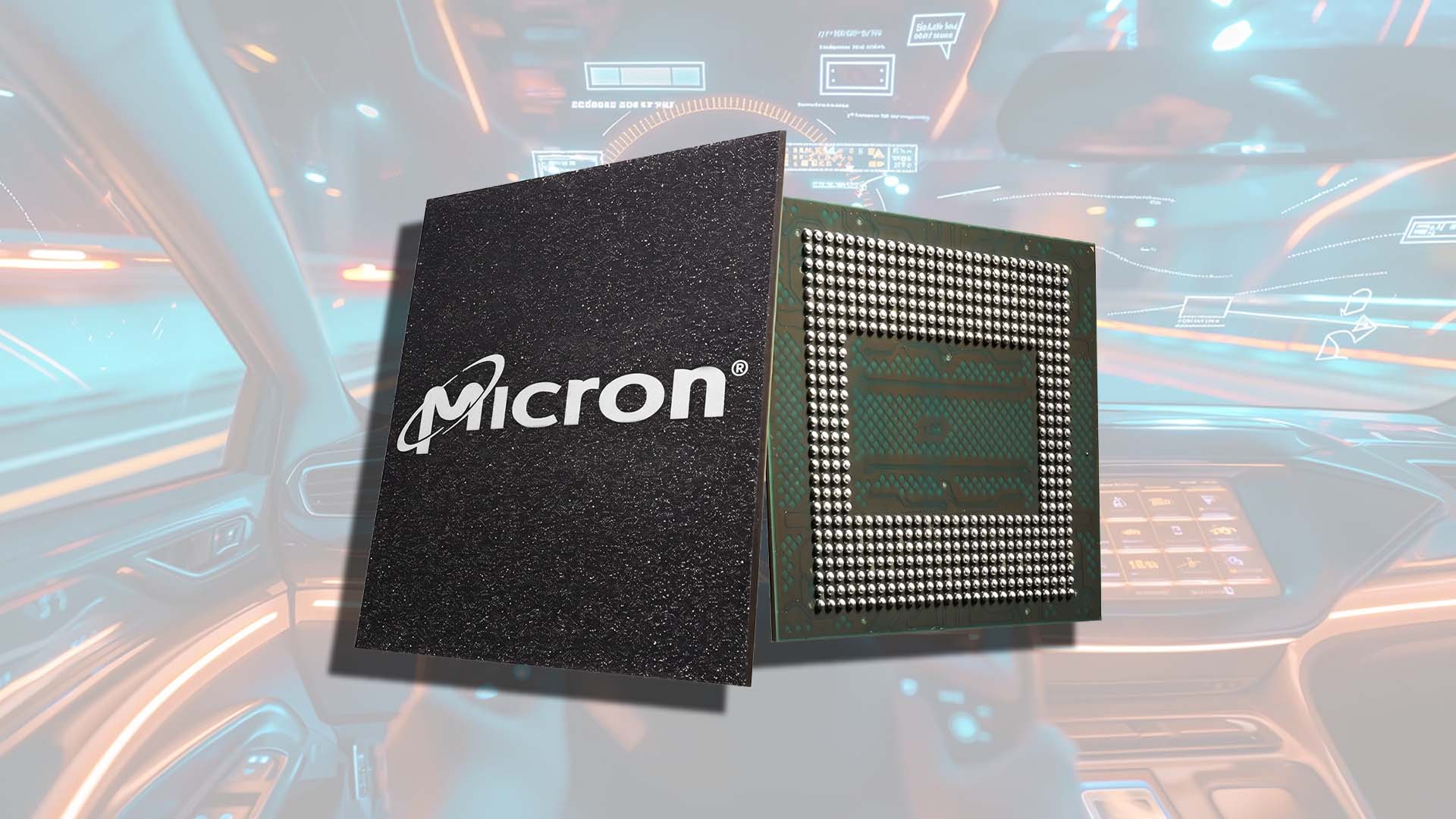
While it may seem Micron is prioritizing AI customers for DRAM chips, the automotive industry is experiencing challenges due to a supply shortage. This shortfall not only jeopardizes operations but also threatens 1 million jobs in the U.S. In response, Micron is engaging with 16 strategic customers, including seven from the automotive sector, to fortify its alliances.
AI advancements have increased expectations for customer experience in vehicles, amplifying the demand for memory and storage solutions. However, the automotive sector’s stringent certification requirements and longer product cycles pose challenges, leading Micron to potentially face lower financial incentives compared to serving AI customers.
In a recent interview, Micron CEO Sanjay Mehrotra highlighted ongoing long-term agreements with other clients to ensure sustained growth. The hope is that as DRAM demand and supply stabilize over the next few years, these partnerships will provide additional backup avenues.
Sources indicate that Micron’s automotive collaborators include key players such as Qualcomm, Visteon, and Harmon. The reliance on DRAM for advanced features like automated safety and infotainment systems showcases Micron’s pivotal role in the evolving automotive landscape. The strategic partnership could help stabilize jobs in an industry that employs a significant workforce.
Micron’s strategic maneuvers may also be seen as an effort to appease the Trump Administration by aiding job retention in the U.S. This could also be a tactical approach to relieve some pressure from a federal class-action lawsuit accusing Micron of manipulating supply shortages, dubbed the “RAMpocalypse.”
The company’s recent $250 million investment in the U.S. strategically positions it as a likely candidate for leniency concerning the lawsuit, while its new partnerships aim to mitigate unemployment risks linked to these ongoing legal challenges. Micron’s dual focus on both sectors not only affirms its commitment to maintaining its market edge but may also serve as a shield against potential legal repercussions.
The content above is a summary. For more details, see the source article.









