


Key Takeaways
- Less than 0.15% of Ohio’s prime farmland is used for utility-scale solar projects.
- Concerns over farmland loss have influenced restrictive solar development policies across several states.
- Integrating agriculture with solar energy, such as sheep grazing, is being explored as a viable solution for land use concerns.
Current Landscape of Solar Development in Ohio
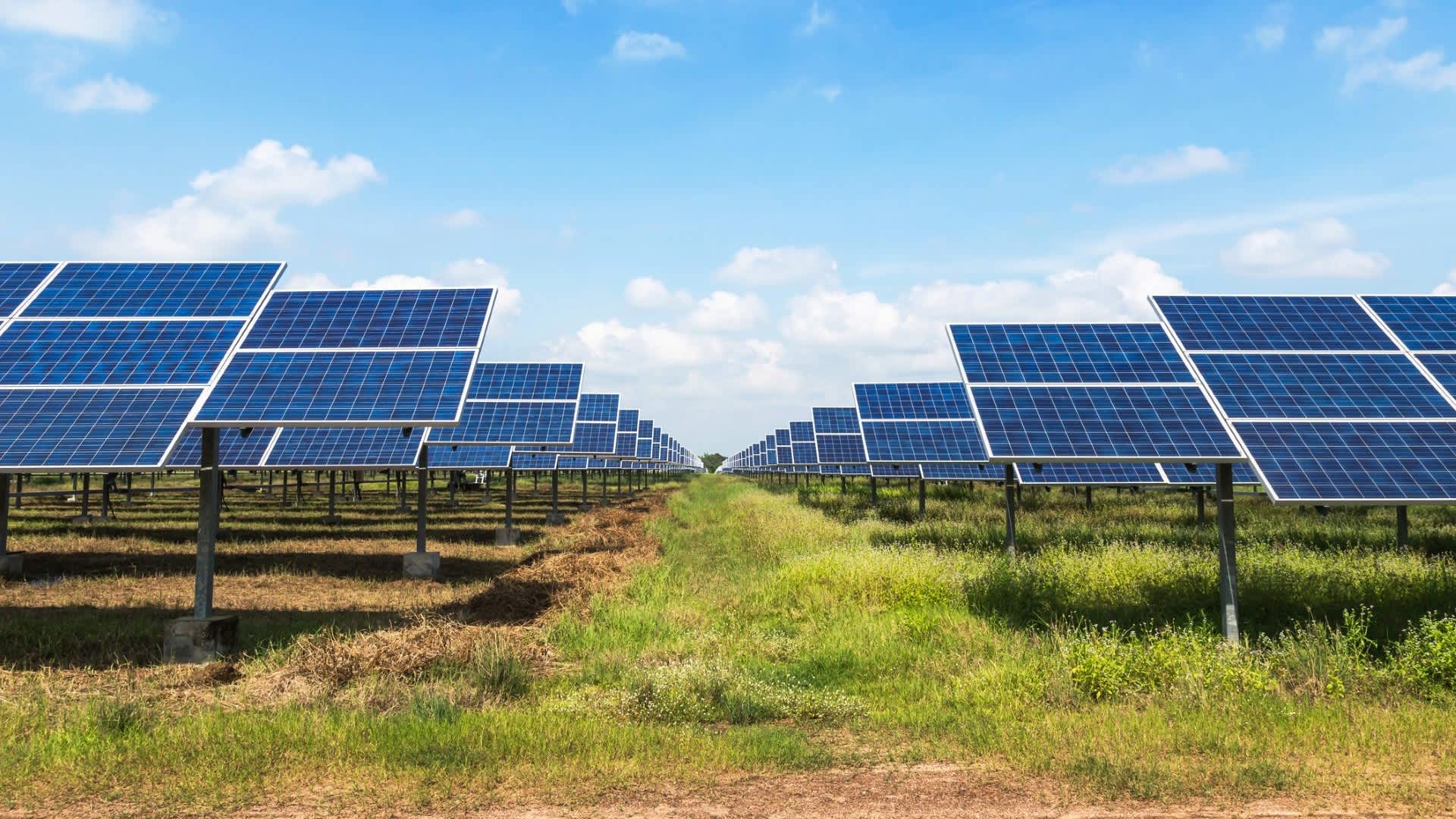
In Ohio, opposition to solar farms has intensified, primarily centered on the potential loss of productive farmland. Critics argue that expansive renewable energy projects threaten agricultural viability. However, new data from the Solar Energy Industries Association suggests that the actual area used for utility-scale solar amounts to less than one-seventh of 1% of Ohio’s prime farmland.
Recent reporting revealed that of the 37 square miles dedicated to solar energy, only 31 square miles consist of land classified as prime farmland by the U.S. Department of Agriculture. By contrast, other land uses, such as golf courses, consume over 2.7 times this area, while suburban expansion from 2014 to 2024 has consumed more than five times as much land as solar farms.
As Ohio experiences a sharp rise in energy demand, the necessity for diverse energy sources becomes paramount. Andrew Linhares, the Midwest state affairs director for SEIA, emphasized that Ohio requires immediate increases in power production. It’s important to note that a significant portion of Ohio’s farmland is already utilized for energy production in other forms. For instance, corn, which covered over 3.1 million acres last year, is primarily used for ethanol — a fact that solar advocates argue is often overlooked in the farmland debate.
A 2025 Cornell University study indicates that corn ethanol demands approximately 30 times more land per energy unit than solar energy, further complicating the discussion around land use.
Tom Bullock, executive director of the Citizens Utility Board of Ohio, stressed that while other developments may permanently displace agricultural land, solar projects on leased land can maintain future agricultural use, preserving both energy and farming potential.
To mitigate tensions surrounding solar development, advocates emphasize the need for robust local land-use planning. Dale Arnold from the Ohio Farm Bureau Federation pointed out the importance of local strategies in balancing solar’s expansion with agricultural interests.
Innovative projects in Ohio are exploring synergistic solutions that integrate agriculture with solar energy, such as utilizing sheep for grazing and cultivating crops between solar panels. Karin Nordstrom from the Ohio Environmental Council remarked that achieving a sustainable energy future does not necessitate a conflict between agricultural production and energy generation.
This evolving landscape highlights the need for thoughtful planning and community engagement to address concerns while promoting clean energy initiatives.
The content above is a summary. For more details, see the source article.









