


Key Takeaways
- A new Google Pixel Tablet upgrade is anticipated, offering enhanced functionality for smart home integration.
- The existing Pixel Tablet serves dual purposes as both a smart home hub and a full Android tablet.
- Future iterations could improve sound quality and decrease pricing to attract more buyers.
The Future of Smart Home Hubs
Google is reportedly developing a new version of its Google Pixel Tablet, which could better support modern AI functionalities in smart homes compared to the more traditional Google Home Display format. While no formal announcement has been made, there is strong internal support for the evolution of smart displays. Anish Kattukaran, Chief Product Officer for Google Home, indicated a commitment to smart displays, emphasizing their unique combination of audio input, output, and visual interaction.
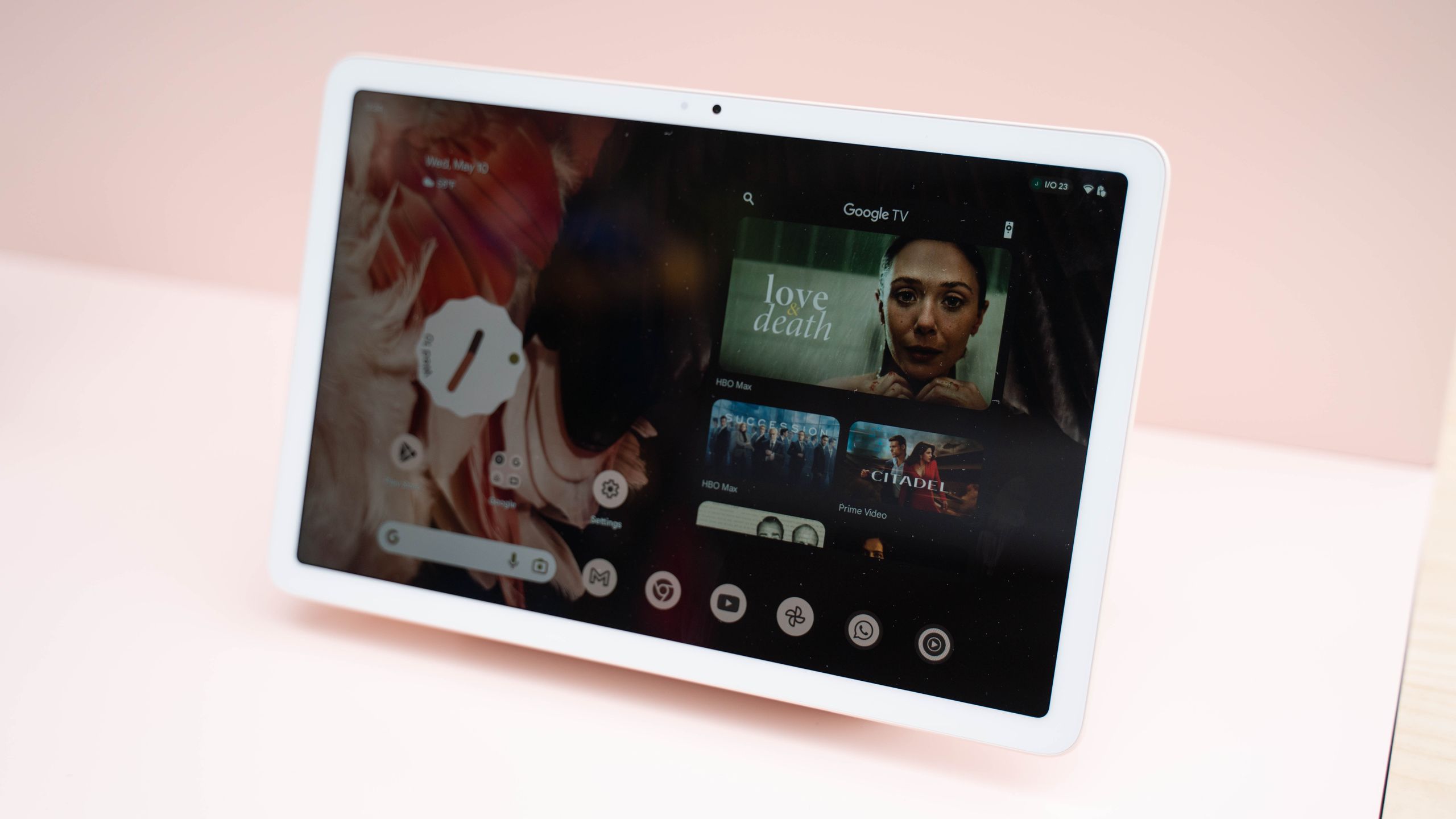
Although Google’s current smart displays serve their purpose, the Pixel Tablet exemplifies a sophisticated and versatile option for smart home management. Unlike Google Home Displays that remain stationary, the Pixel Tablet operates as a portable solution, lifting off its magnetic dock for use throughout the house. Its design allows seamless access to smart home devices, providing essential voice commands for lights, cameras, and other connected devices.
With a 10.95-inch display and access to the Google Play Store, the Pixel Tablet also supports various multimedia features, including streaming services like Netflix and YouTube. This functionality enables users to engage in different activities, from video calls to cooking recipes, while remaining within the home environment.
As attention turns toward a potential future version of the Pixel Tablet, there are several considerations for improvements. A new model could include the Gemini AI framework, function as a Thread border router, and have upgraded audio capabilities to match Google’s latest home speaker. The current device’s screen resolution of 2,560 x 1,600 pixels is competitive, though there are hopes for a more affordable price point, as the original’s price of $499 was seen as steep.
The concept of a mobile Google Home Tablet that adapts through various rooms is also an interesting prospect, particularly against the backdrop of competitors like Apple and Amazon. Apple’s approach hints at multiple screens functioning throughout the home, while Amazon’s affordable Echo devices make them accessible for widespread use.
In summary, while Google’s smart display market may evolve with new models, the potential improvement in smart home integration offered by a revised Pixel Tablet presents an exciting opportunity, possibly setting a new standard for what home devices can achieve. The industry will be keeping a close watch on Google’s next moves, as the integration of AI into daily life continues to grow.
The content above is a summary. For more details, see the source article.









