


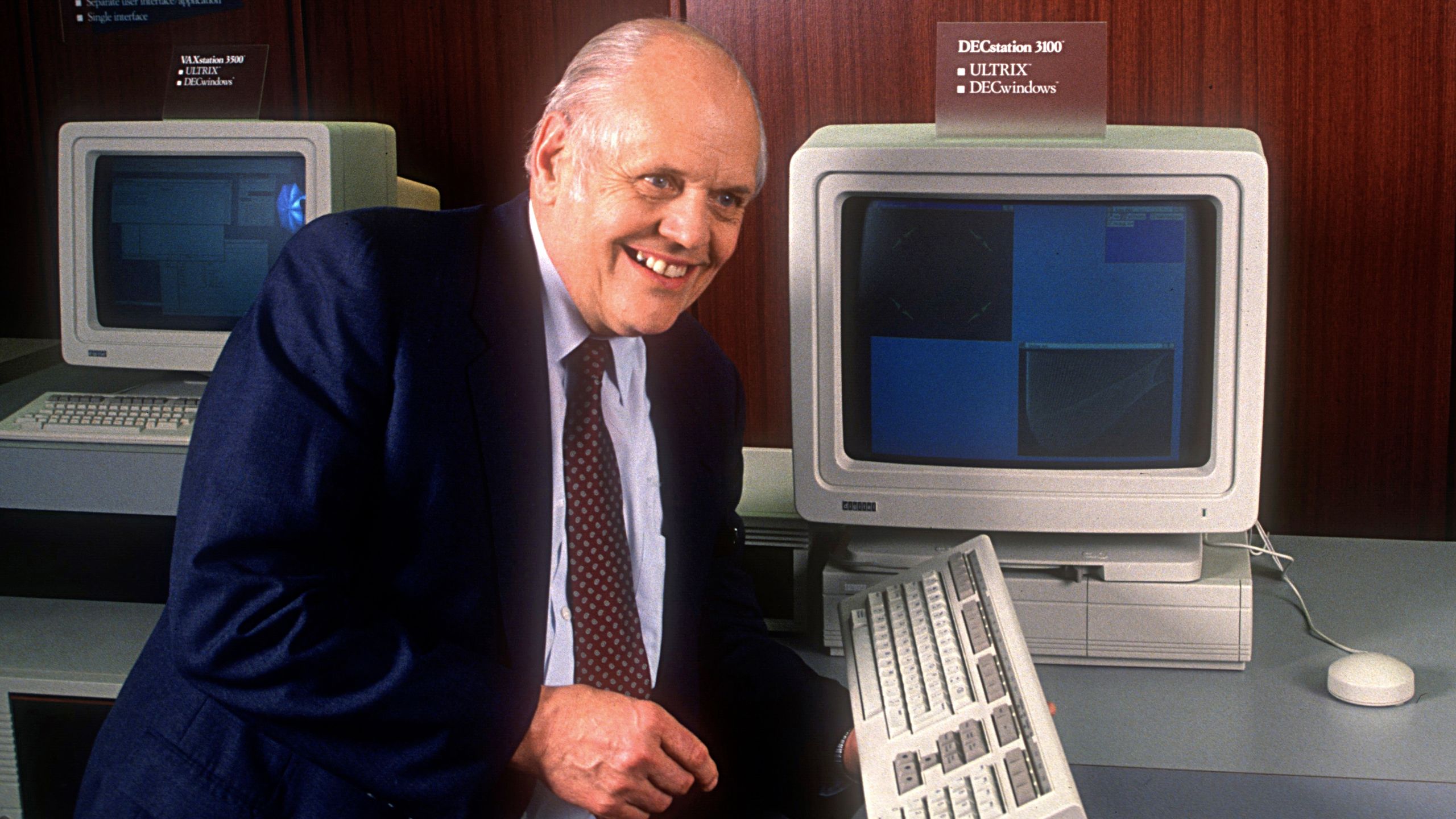
Key Takeaways
- Ken Olsen, co-founder of Digital Equipment Corporation, asserted in 1977 that individual home computers were unnecessary.
- Olsen’s remarks were made during a time when computers were large and required specialized staff, but he later claimed they were taken out of context.
- The rise of smart home technology has reshaped expectations, yet challenges in cost and integration still remain.
Historical Perspective on Personal Computers
Computing devices are now a common sight in most households, encompassing laptops, desktops, smartphones, and tablets. However, there was a time when such technology was not only rare but also questioned by industry leaders. Ken Olsen, the co-founder and CEO of Digital Equipment Corporation (DEC), famously stated in 1977, “There is no reason for any individual to have a computer in his home.”
At that time, the computing landscape was dominated by massive mainframes and minicomputers that required expert staff to operate. These statements reflected Olsen’s belief that computers were strictly for business and enterprise use. While he acknowledged the possibility of personal computing in later discussions, he insisted his original comments were misconstrued.
Olsen later clarified that his statement referred more to the concept of a comprehensive master computer for home automation, akin to today’s smart home technology. However, this assertion has not aged well in light of the rapid development and proliferation of personal computing devices.
The Evolution of Smart Home Technology
The notion of smart homes has made significant strides in the 21st century, proving to be an exciting aspect of technology. Nevertheless, implementing a fully automated home has faced challenges, including high costs, limited hardware options, and issues with device interoperability. Overcoming these obstacles has been crucial to advancing smart home systems.
A benchmark in this area has been the introduction of the Matter standard, which aims to improve the compatibility and integration of various smart devices. This advancement has the potential to make smart homes more accessible and functional, shifting the perception of technology in domestic settings.
In retrospect, Ken Olsen’s early dismissal of home computing underscores the unpredictability of technological progress. As computers and smart technologies continue to evolve, they have become integral to everyday life in ways that were once considered inconceivable.
The content above is a summary. For more details, see the source article.









