


Key Takeaways
- Sila’s silicon-carbon anodes could boost EV range by 20% without larger battery packs.
- The startup has raised $300 million to enhance production at its Moses Lake, Washington, facility.
- Sila targets an annual output of 250 GWh and supplies companies like Mercedes and Panasonic.
Innovative Battery Solutions for Electric Vehicles
Sila, a U.S.-based startup, is revolutionizing the electric vehicle (EV) market with its silicon-carbon anodes, which hold the potential to increase the range of EVs by up to 20% without necessitating larger battery packs. The company focuses on enhancing one of the most crucial components of lithium-ion batteries—the anode—through its Titan Silicon technology, which promises not just improved energy density but also faster charging capabilities.
After 15 years of development, Sila claims that its Titan Silicon material can enhance battery energy density by 20% to 40% compared to the conventional graphite anodes found in most existing lithium-ion batteries. This advancement signifies a move away from the need for larger battery systems while also potentially offering quicker charging, though specific charging speeds have not been disclosed.
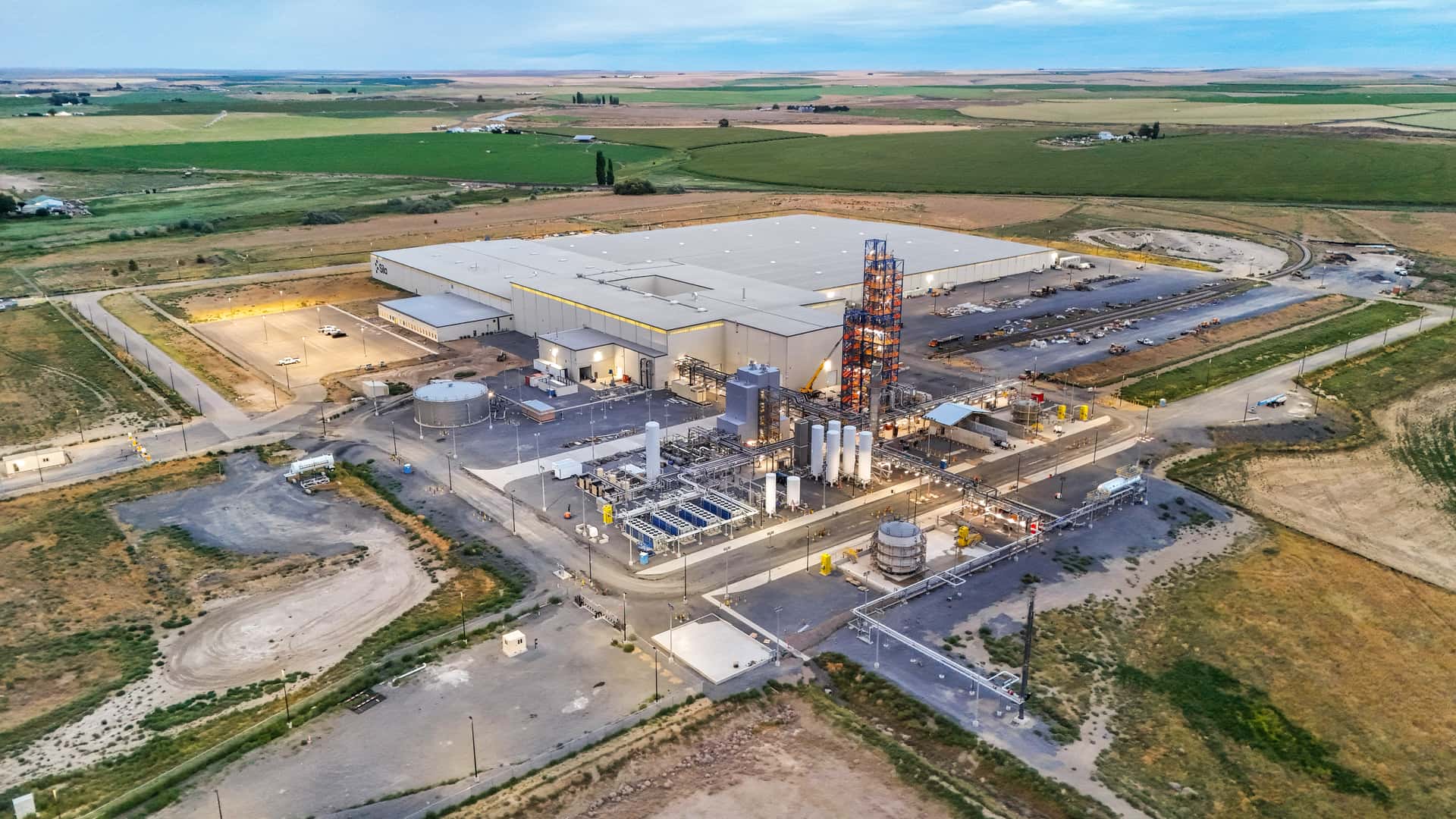
To facilitate this innovation, Sila has successfully raised $300 million in private funding earmarked for scaling up production at its Moses Lake factory in Washington. This facility, which began operations in fall 2025 and spans 160 acres, is designed to achieve an impressive annual production capacity of 250 GWh within five years, positioning it to become the largest anode manufacturing site globally.
Sila has already established contracts with significant automotive players, including Mercedes-Benz and Panasonic Energy. Mercedes has plans to feature Titan Silicon in a forthcoming electric version of its G-Class SUV, while Panasonic aims to use the material in its next-generation EV battery cells. This partnership underscores the growing interest in silicon-based anodes among automakers, recognizing the benefits of higher energy density and improved charging efficiency.
Although silicon has advantages over graphite, including its ability to store more lithium, it does come with challenges. Silicon expands and contracts during battery cycles, which can lead to faster degradation of the anode. This characteristic has previously restricted the amount of silicon used in commercial cells to small blends with graphite. However, the technology is evolving, and some electric vehicles, such as the Mercedes-AMG GT 4-Door EV, have integrated silicon in their battery systems. Such vehicles suggest that automakers are beginning to embrace silicon-rich anodes.
General Motors is also observing this trend and anticipates an incremental increase in the silicon content of batteries, believing it will enable manufacturers to create smaller, lighter battery packs, thereby lowering costs without waiting for a new battery technology to emerge.
Sila’s innovative approach and strong financial backing position it as a key player in the future of electric vehicle batteries, promising to enhance performance and efficiency in an increasingly competitive market. As automakers increasingly explore the advantages of silicon-based materials, Sila’s advancements could reshape the landscape of EV battery technology.
The content above is a summary. For more details, see the source article.









