


Key Takeaways
- Farmers like Hamisu Abubakar in Kaduna are facing challenges from Fall Army Worms affecting maize production.
- The introduction of Sentinel X, an innovative agricultural technology, aims to combat this issue by enhancing crop resilience.
- This technology promotes natural plant defenses without relying on traditional pesticides, making farming more efficient and environmentally friendly.
Innovative Technology to Tackle Crop Pests
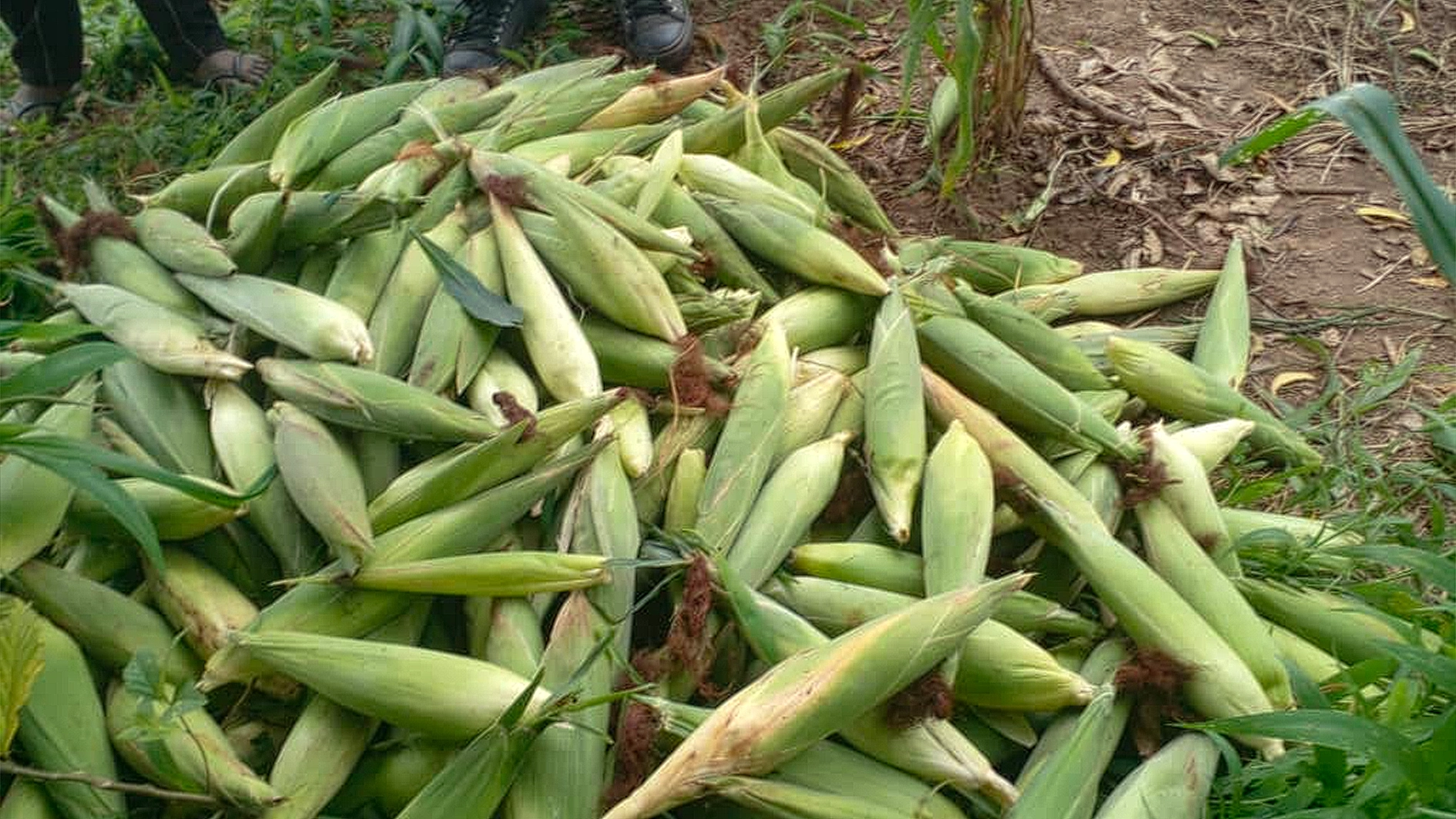
Hamisu Abubakar, a farmer in the Kachia Local Council Area of Kaduna State, is well-known for cultivating maize, a staple food in the region. However, his yields have recently been threatened by Fall Army Worms. Abubakar described the negative impact on his farm and noted that many farmers in northern Kaduna are experiencing similar issues.
A promising solution has emerged in the form of Sentinel X, a new agricultural technology developed in the United States. Martha Solomon, General Manager of Prexea Technologies Limited, explained that Sentinel X is designed not just to address Fall Army Worm infestations but also to enhance the crops’ natural immune systems, reducing dependence on traditional pesticides.
Solomon highlighted that Sentinel X utilizes photonic light rays activated by an AI tool, which stimulates plants to self-defend against pests. Unlike conventional methods that rely heavily on insecticides, this technology supports healthier crop development while minimizing environmental harm. By empowering plants to resist Fall Army Worms, Sentinel X addresses problems from the vegetative stage to harvest time.
The technology comprises two products: Sentinel X Pest Control, which substitutes conventional insecticides, and Sentinel X Crop Booster, akin to a fertilizer that can be used for various crops. These products can be sold separately or combined, although farmers are encouraged to purchase both for optimal results.
After conducting successful pilot trials in Kano and Kaduna states, the technology demonstrated significant efficacy, prompting interest from government officials and agricultural bodies. Community leaders and agricultural agencies were involved in these trials, reinforcing the approach of engaging local stakeholders.
The government recognizes the severity of the Fall Army Worm issue and supports efforts to mitigate its impact. Solomon emphasized that the technology cuts costs and labor, making farming more sustainable compared to traditional pesticide application.
One of the benefits of Sentinel X is its user-friendliness, especially for illiterate farmers. Field agents will assist with the application, ensuring accessibility for all farmers. Moreover, Sentinel X requires only a single application per planting season, contrasting with multiple pesticide applications, which often result in losses.
With this innovation, farmers like Hamisu Abubakar can look forward to more secure harvests, free from the threat of Fall Army Worms. The potential of Sentinel X marks a significant advancement in agricultural practices in Nigeria.
The content above is a summary. For more details, see the source article.









