


Key Takeaways
- Robot vacuums are evolving beyond suction power, focusing on advanced features like slim designs and roller mopping technology.
- Future models aim for greater autonomy, integrating technologies for self-cleaning, self-drying, and improved obstacle navigation.
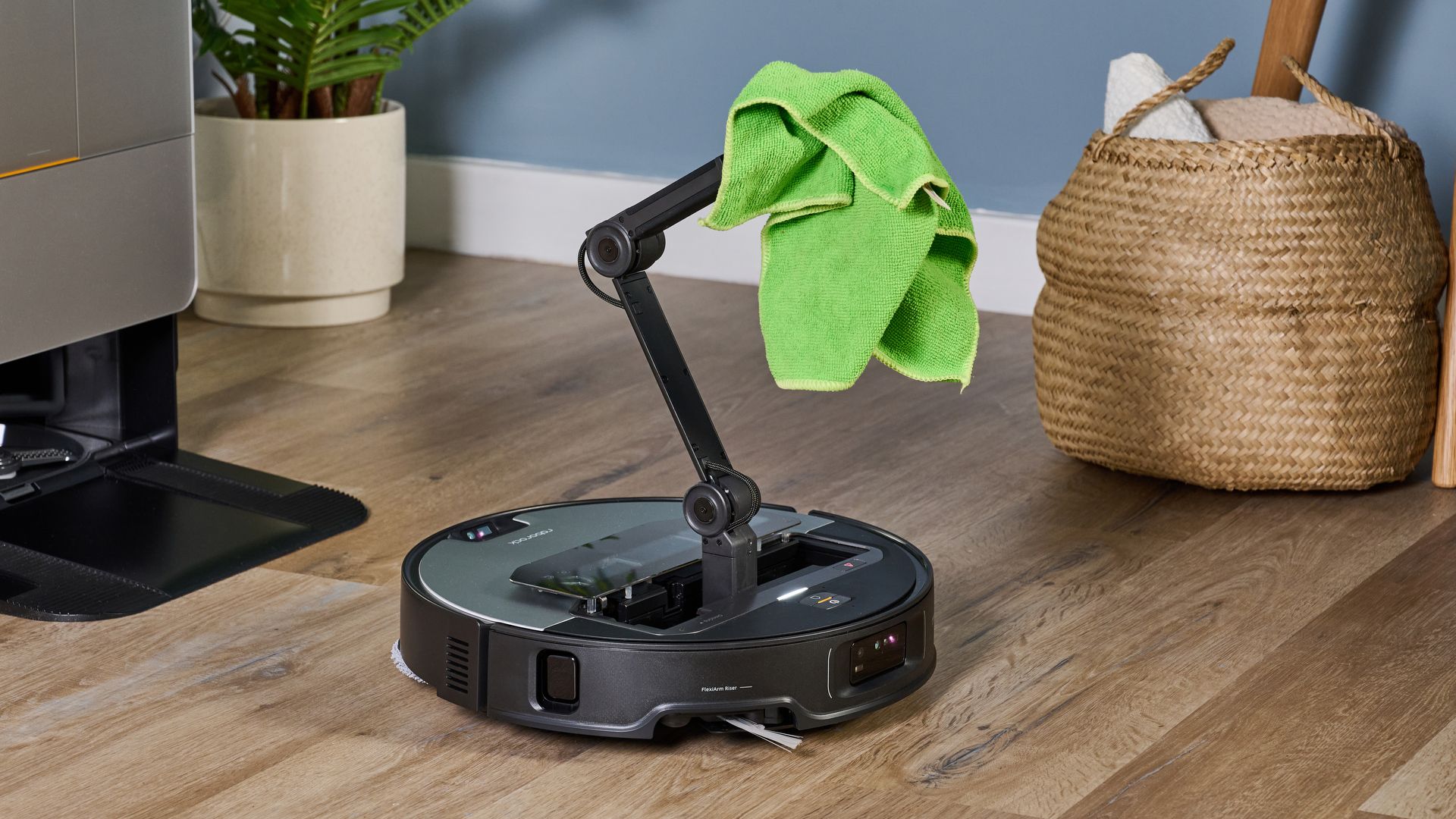
- In five to ten years, expect robovacs to operate autonomously within smart home ecosystems, taking on more complex cleaning tasks.
Advancements in Cleaning Technology
The robot vacuum industry is experiencing rapid innovation, transitioning from simple cleaning devices to smarter, more efficient home assistants. Industry representatives emphasize that consumers are no longer just interested in suction power; they seek multifaceted cleaning solutions that cover hard-to-reach areas, such as beneath low-profile furniture. Companies like Roborock are innovating with ultra-slim designs and advanced navigation systems that allow vacuums to adapt their size when needed.
Mopping technology is also progressing, with a growing preference for roller mop designs. Unlike traditional flat pads, roller mops can continuously clean with fresh surfaces, reducing the spread of mess. Eufy highlights advancements in filtration systems, making sweeping more effective in homes with carpets and pet hair.
Battery Efficiency and Performance
Battery life remains crucial, especially for larger homes where full cleaning must be completed on a single charge. Brands are focusing on efficient charging systems, enabling robots to recharge and resume cleaning without user intervention. However, despite these advancements, no robot vacuum currently matches the performance of manual vacuums, though manufacturers aim to close this gap.
Companies are envisioning future robot vacuums that can tackle deeper cleaning tasks, such as thorough carpet washing and high-temperature disinfecting, which typically require specialized equipment.
Future of Automation and Navigation
Brands are shifting towards enhancing robot autonomy. Consumers increasingly expect features that minimize user involvement, such as auto-emptying and advanced navigation that prevents robots from getting stuck. Accurate navigation powered by advanced technologies like AI is viewed as essential for effective operation.
Moreover, navigating stairs remains a significant limitation for robot vacuums. Some companies are developing stair-climbing solutions, suggesting a future where robots can seamlessly traverse multiple levels within homes.
Long-Term Predictions
Looking ahead, industry leaders predict that future robot vacuums will incorporate autonomous decision-making, allowing them to understand and adapt to their environments. This evolution aims for robots to anticipate cleaning needs without prompts from users, functioning as intelligent cleaning partners rather than standalone devices.
Integration with the broader smart home ecosystem is also on the horizon. Future robots are expected to work in tandem with other smart appliances, enhancing overall home automation. As technology continues to evolve, robotic vacuum capabilities are likely to expand beyond cleaning floors to include a wider range of household tasks, leading to a future where home robots significantly reduce the need for human intervention in daily chores.
The content above is a summary. For more details, see the source article.









