


Key Takeaways
- Robot lawn mowers are rapidly evolving, becoming more user-friendly and effective.
- Edge-cutting remains a key challenge, with manufacturers working on attachments for better performance.
- Advanced navigation systems like NetRTK and LiDAR are simplifying installation and enhancing usability.
Innovations in Lawnbot Technology
Robot lawn mowers are becoming a prominent segment in smart-home technology. Recent advancements have enhanced their ease of use and effectiveness, making them appealing to a broader audience. KK Yin, marketing director at Mammotion, discussed significant developments in the lawnbot market and the ongoing challenges faced by the industry.
Despite improvements, edge-cutting has not been fully perfected. Even the best robot mowers require additional trimming tools for clean edges, especially near walls. KK emphasizes that while current mowers can cut near flat paths, they struggle against walls due to safety design limitations. Some brands are experimenting with edge-trimming modules that attach to the mower and include smaller blades housed in protective casings.
For example, the Luba Mini features an edge-cutting disc capable of trimming 5 cm (1.97 inches) from walls. Even this small distance might not satisfy all users, leading manufacturers to explore features that allow the blade to extend further for a more precise cut in certain scenarios.
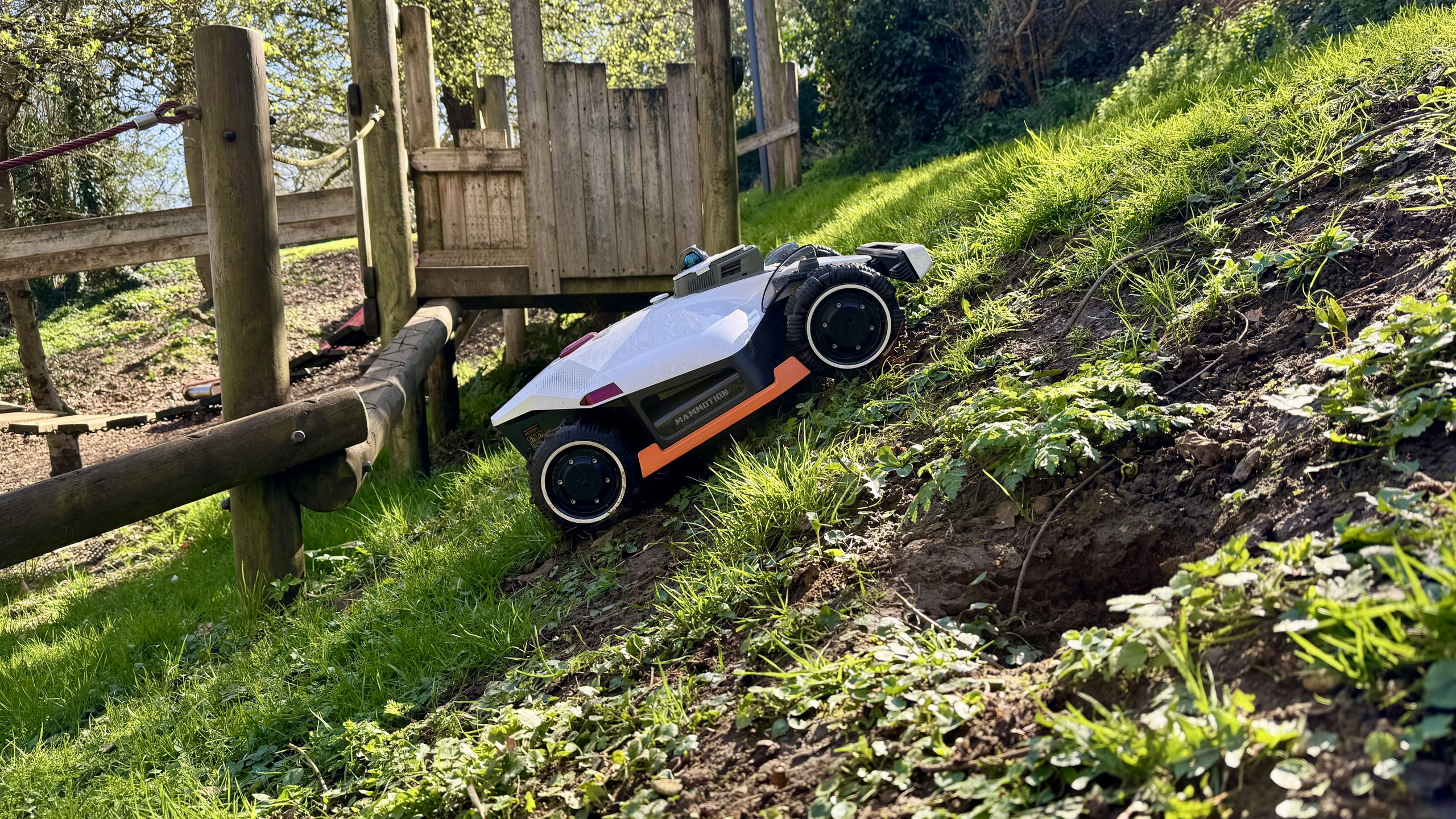
Another emerging trend is the integration of all-wheel drive (AWD) technology. This feature enhances the mower’s ability to manage uneven terrain by providing power to all wheels. AWD is particularly beneficial in regions like Germany, where homes are situated on slopes. The Luba 3 AWD model showcases this capability effectively. Companies are also investigating advancements in climbing ability and steering to further optimize performance on challenging landscapes.
Mammotion began with its high-end Luba line, later introducing the Yuka Mini, a smaller and more affordable option suitable for European yards. This model has gained popularity, especially for users with smaller lawns, as European gardens average between 300 to 500 square meters. In contrast, American consumers often favor larger traditional lawn mowers due to their bigger lawn sizes.
Significant advancements in navigation technology have also transformed user experiences. The reliance on boundary wires has decreased as new systems such as NetRTK—a centralized solution that improves satellite data accuracy—have been developed. Some manufacturers are opting for LiDAR, a method that uses light reflection to map surroundings. This transition away from complicated installations has been a welcome change for consumers.
KK mentions a growing trend toward combining different navigation methods. The goal is to create a robust system—like Tri-Fusion—merging RTK, LiDAR, and AI vision. This multi-faceted approach allows the mower to adapt to various environments, ultimately making it easier for users with no installation required.
Challenges remain, particularly in fine-tuning edge-cutting functionality and improving obstacle recognition. However, the progress made in just a few years is notable. The current focus has shifted from merely establishing boundaries to achieving concise edge trimming and sophisticated detection capabilities.
As various brands unveil their innovations, consumers can look forward to more capable and convenient lawn maintenance solutions.
The content above is a summary. For more details, see the source article.









