


Key Takeaways
- The UK government will allow sales of plug-in solar kits from August 27, enabling renters and flat owners to generate clean energy.
- Plug-in batteries, which can save users between £100-£400 yearly, could gain regulatory approval within a year, facilitating smarter energy management.
- While offering potential savings, plug-in batteries will require consumer trust in energy companies and may not be a quick financial fix due to initial costs and safety concerns.
Solar Energy Revolution in the UK
The UK is on the brink of a home energy revolution with the upcoming legalization of plug-in solar kits, set for August 27. These small solar panel systems can be connected directly to standard home sockets, allowing individuals—especially renters and those in flats—to generate their own electricity for the first time. However, the announcement has sparked concerns among industry experts who believe that the absence of a legal pathway for plug-in batteries is a missed opportunity.
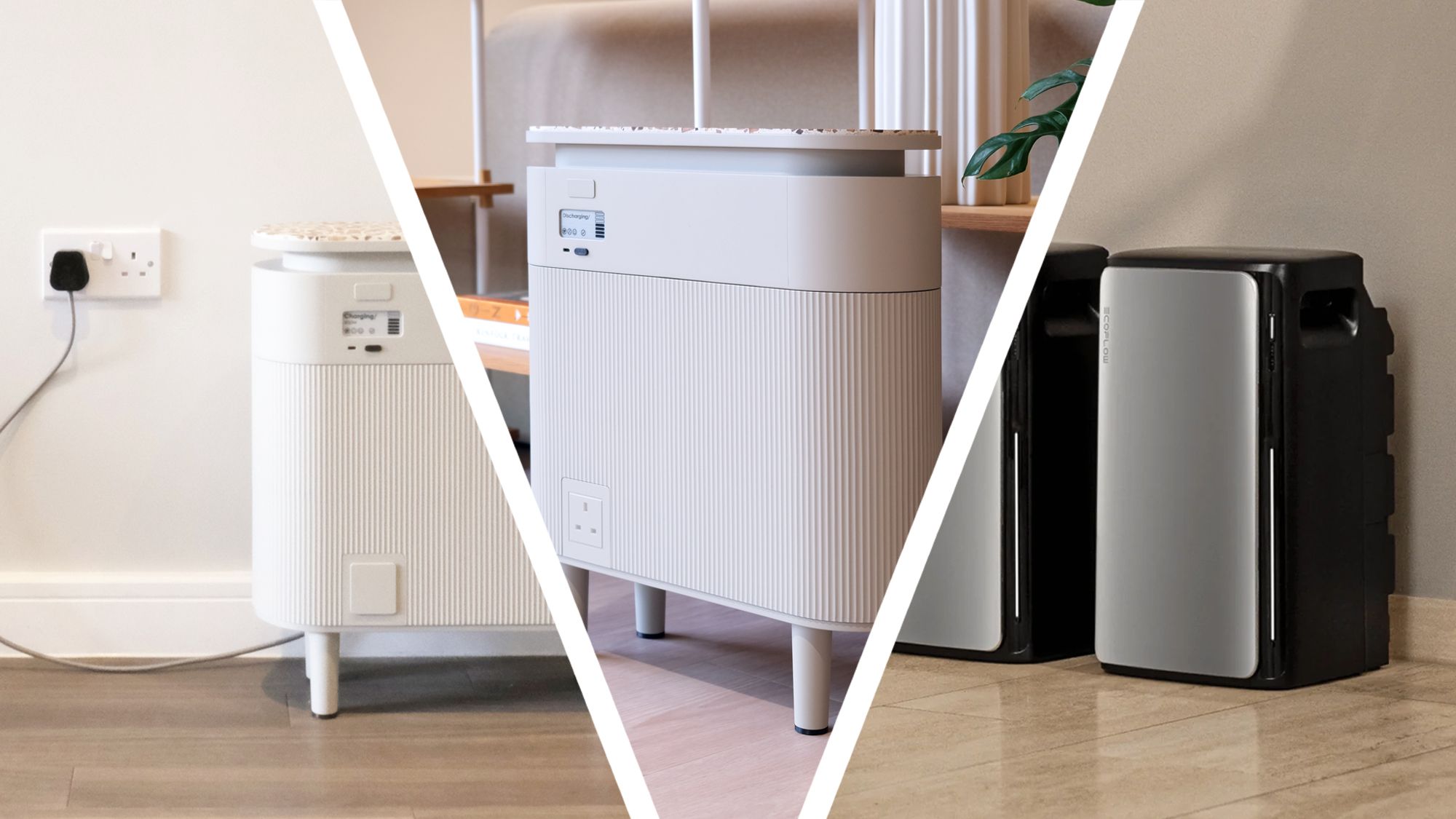
Plug-in batteries, akin to mini Tesla Powerwalls, are expected to be the transformative technology that enhances energy efficiency in homes. These batteries would charge during off-peak hours when electricity is cheaper and discharge during peak times, making homes active participants in the energy grid. Experts predict significant savings from these systems, which could range between £100-£400 a year depending on usage and electricity tariffs.
Although plug-in batteries are not currently legal in the UK, there is optimism for their introduction in the near future. Challenges related to regulations and technology need to be navigated first. Official sources from the Department for Energy Security and Net Zero (DESNZ) have indicated that the focus remains on the roll-out of plug-in solar energy systems, but they acknowledge exploring solutions for plug-in batteries could help reduce consumer energy bills.
Plug-in batteries are straightforward to install, connecting directly to wall sockets. They can work independently or in conjunction with solar panels, saving money through grid arbitrage—buying energy at low rates and using it when costs soar.
Several companies in the sector, including Anker and Windfall Energy, are preparing for a UK launch, having seen success in markets like Germany. Windfall is expected to start selling its visually appealing battery product soon. However, some industry players caution against rushing the process without thoroughly understanding the technology’s suitability for UK homes.
The rising energy prices in the UK—currently about 13% higher than in early 2020—have accelerated interest in these technologies. Falling lithium prices and the shift towards renewable energy further amplify this trend. Experts believe plug-in batteries could emerge as a solution for consumers wrestling with rising energy costs.
Despite their promise, plug-in batteries come with considerations. The typical payback period for these batteries is around 3-4 years, which may not present an immediate solution for financially burdened households. Safety concerns also linger, especially related to users connecting devices without professional installation. However, recent studies suggest modern batteries are comparably safe to household appliances like washing machines.
Critics and supporters alike highlight the necessity for consumer trust. Although plug-in batteries promise considerable savings, trust in energy companies will be essential for widespread adoption. As consumers begin to see reductions in their bills, confidence may grow.
While plug-in batteries show great potential, their success in the UK market will hinge on regulatory developments, robust consumer safeguards, and overcoming initial skepticism. As preparations for plug-in solar technology continue, the arrival of plug-in batteries is keenly anticipated, heralding a new era in home energy management.
The content above is a summary. For more details, see the source article.









