


Key Takeaways
- 72% of homebuyers suspect or notice recording devices during tours; 56% of sellers admit using them.
- Buyers are changing their behavior, often refraining from discussing offers or budgets due to privacy concerns.
- Legal issues arise if buyers are recorded without their knowledge, complicating negotiations and home showings.
Changing Dynamics in Home Showings
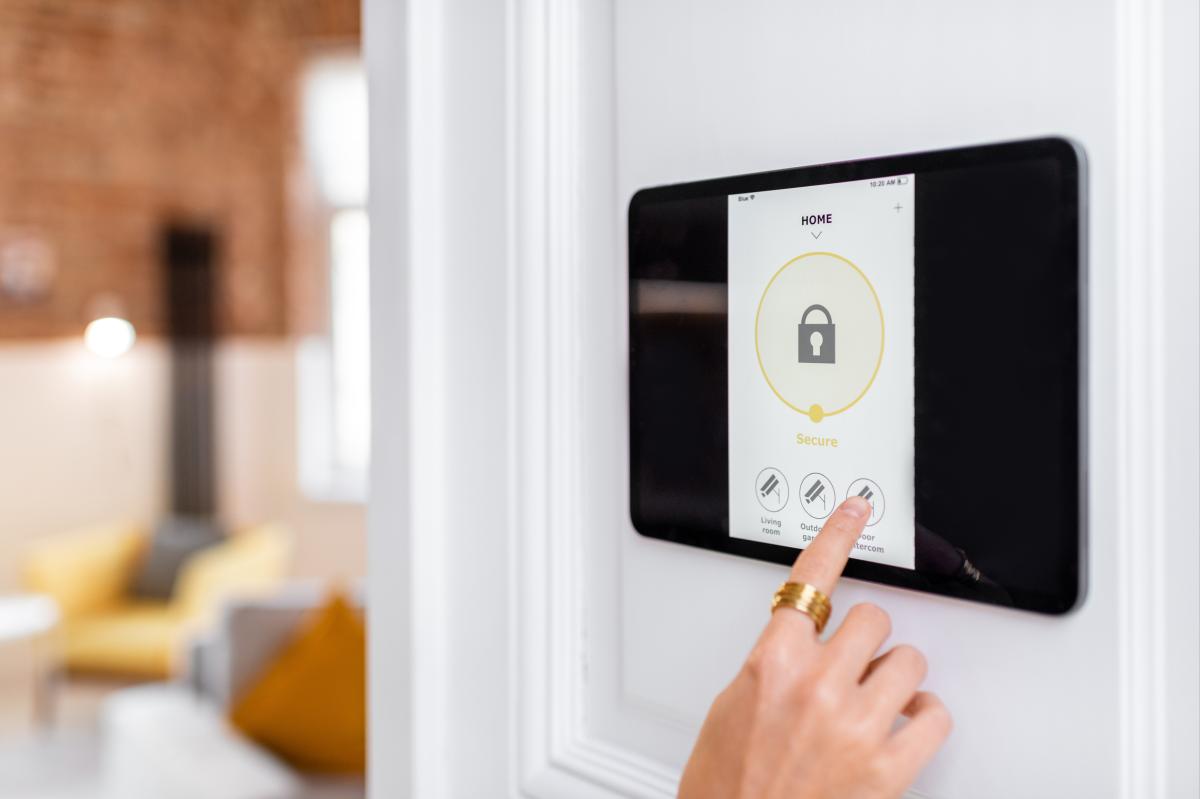
Smart home security systems are increasingly becoming tools for sellers to monitor potential homebuyers, creating a new level of tension in real estate transactions. According to a recent LendingTree survey, 72% of homebuyers have seen or suspected the presence of cameras or microphones during viewings, with 56% of sellers admitting to actively using such devices.
While many sellers argue that these devices are primarily for protection, a significant number use them to eavesdrop on buyer opinions, affecting the emotional connection essential for successful sales. Real estate professionals warn that when buyers feel they are being watched, they often stop discussing their impressions or negotiating strategies, which undermines the home-buying experience.
Legal concerns emerge as well, as laws about recording vary widely. In many jurisdictions, recording conversations without consent could lead to potential legal issues for sellers. Some brokerages now require agreements from sellers to prevent eavesdropping during showings to protect the privacy of buyers.
The implication of surveillance extends beyond just the buyers; sellers can also face fallout from overheard comments. Negative feedback about a home can quickly sour negotiations, with sellers being hurt by harsh criticisms they might hear through their devices.
As such, real estate experts now advise buyers to approach home showings with caution and to assume they are being recorded. Maintaining discretion during visits can significantly impact negotiations and should be considered a part of modern home-buying etiquette.
The content above is a summary. For more details, see the source article.









