


Key Takeaways
- The Indonesian Health Ministry is advancing robotic surgery technology, acquiring 40 units for government hospitals.
- A national training program aims to improve Indonesian surgeons’ expertise in minimally invasive and robotic procedures.
- Collaboration between academia and health professionals is essential for developing AI-enhanced robotic surgery in Indonesia.
Accelerating Robotic Surgery in Indonesia
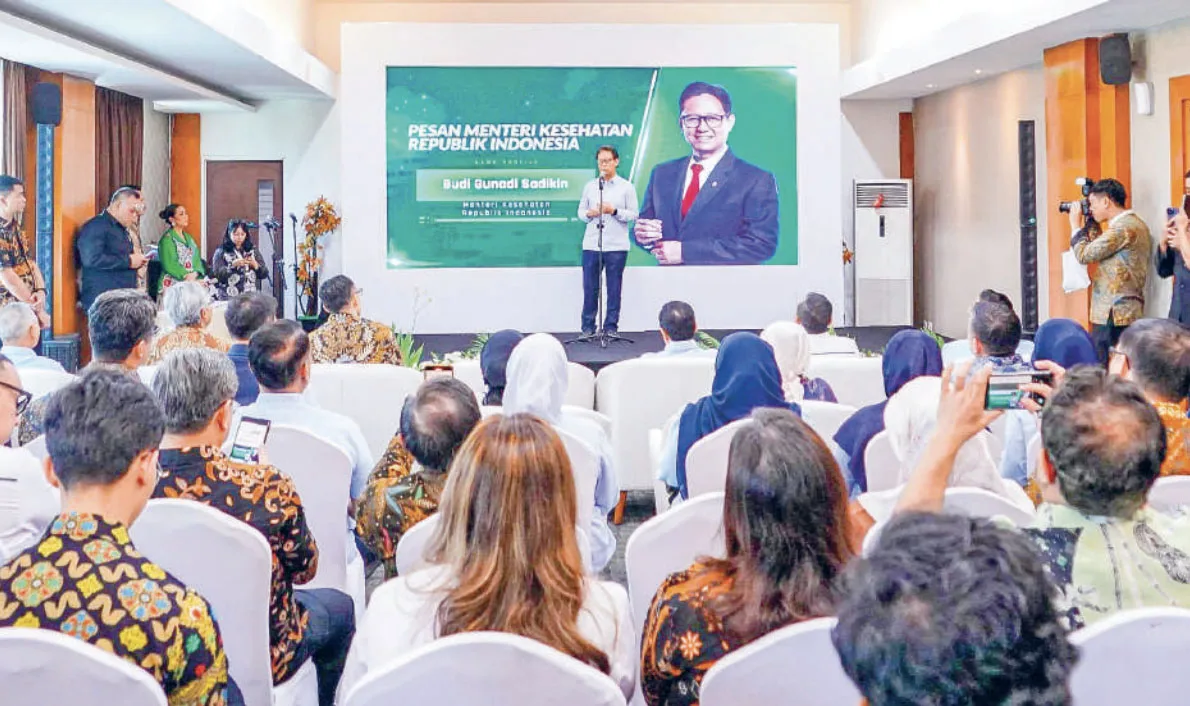
The Indonesian Health Ministry (Kemenkes) is pushing for a transformation in healthcare by focusing on robotic surgery technology. This initiative involves the procurement of 40 surgical robotic units for government hospitals and the establishment of an Artificial Intelligence (AI) ecosystem alongside medical training for doctors. Health Minister Budi G. Sadikin highlighted robotic surgery as a priority area during the celebration of nearly 1,000 robotic procedures at Bunda Hospital in Jakarta. A strategic collaboration between Kemenkes, Bunda Hospital, and Bandung Institute of Technology (ITB) was also launched during the event.
According to Budi, robotic surgery significantly enhances patient care quality with more precise procedures, reduced pain, and quicker recovery times. He acknowledged Indonesia’s slower adoption of robotic surgery compared to neighboring countries and stressed that the government is committed to facilitating its broader implementation through new policies.
To that end, the Ministry Robotics Committee has been established to oversee the development of robotics in healthcare, including setting technological requirements and service standards, and creating strategies for wider public access. The Ministry is also assessing a financing model through the Healthcare and Social Security Agency (BPJS Kesehatan) to integrate robotic surgery into the national healthcare financing system.
Kemenkes aims to strengthen minimally invasive surgery services first. A national training program for surgeons in laparoscopic techniques is being rolled out across 514 regencies and municipalities. The objective is to boost competencies among doctors to ensure these advanced skills are not just concentrated in urban areas.
Beyond improving service quality, the initiative aims to enhance healthcare AI in Indonesia. The government is developing three integrated databases focused on population, clinical, and genomic data. Robotic surgery data will contribute to national AI systems that augment doctors’ surgical decision-making capabilities based on extensive clinical information.
Budi clarified that AI is designed to support, not replace, medical professionals in their decision-making processes. Ensuring open access to robotic surgery data will aid in developing AI learning systems that can elevate surgical standards without undermining clinician authority.
Procurement of surgical robots will include requirements for technology transfer, promoting the domestic production of necessary consumables and making procedures more cost-effective. Additionally, Kemenkes plans to expand robotic surgery training centers to ensure equitable educational access throughout the country.
ITB’s Rector, Professor Tatacipta Dirgantara, emphasized that collaboration between research institutions and medical professionals is vital for producing relevant innovations. Dr. Ivan Rizal Sini from PT Bundamedik Tbk noted that achieving near 1,000 robotic surgeries reflects sustained dedication to advancing minimally invasive techniques.
Through these coordinated efforts among government, universities, hospitals, and industry, Kemenkes aims to position Indonesia as a leader in robotic surgery technology while enhancing the overall quality and accessibility of healthcare services nationwide.
The content above is a summary. For more details, see the source article.









