


Key Takeaways
- Senate Agriculture Committee plans to resume markup of Farm Bill 2.0 after a five-week recess, aiming for bipartisan support.
- Current controversy centers on SNAP-related measures; Democrats seek a two-year delay on costs, while Republicans propose a one-year delay.
- Farm economy challenges persist, with increasing bankruptcies and production costs impacting crop growers across the U.S.
Farm Bill Discussions Resume in September
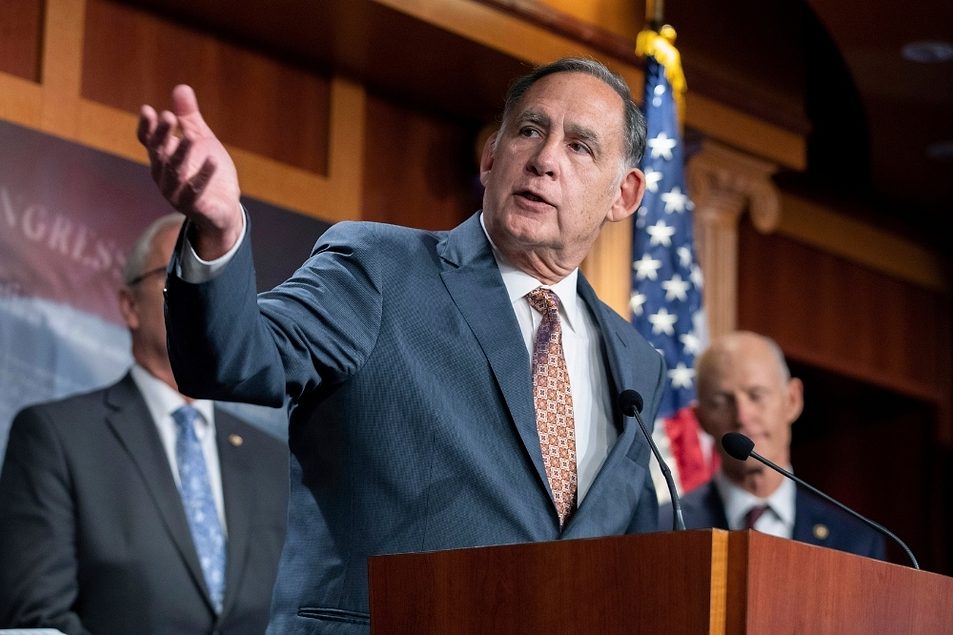
Senate Agriculture Chairman John Boozman, R-Ark., is set to restart discussions on Farm Bill 2.0 shortly after lawmakers return to Capitol Hill on September 14. This follows a committee meeting earlier this week where the proposed bill did not receive enough votes to advance. The committee is currently in recess, allowing it to pick up where it left off once senators reconvene.
Boozman emphasized the importance of bipartisan support, stating, “It doesn’t need to be that it’s a party-line vote.” The committee’s inability to move the bill forward stemmed from the absence of crucial Republican votes, as senators Tommy Tuberville of Alabama and Mitch McConnell of Kentucky were not present. All committee Democrats voted against the bill, primarily due to disagreements over a deal related to the Supplemental Nutrition Assistance Program (SNAP).
The Republican proposal involves a one-year delay on SNAP-related cost-sharing requirements that states will face, contingent on their payment error rates (PERs). States with error rates below 6% will not incur costs, while the national PER was reported at 10.6% last fiscal year, according to USDA data. The one-year delay is a response to concerns from Democrats, who argue that additional time is necessary for states to reduce their error rates and manage budget adjustments effectively.
Senator Amy Klobuchar, the committee’s top Democrat, advocates for a two-year delay, labeling it a matter of fairness, given that the previous One Big Beautiful Bill Act provided extra time for states with the highest error rates. She expressed concern that the proposed one-year fix is insufficient amid rising grocery prices, encouraging collaboration with Boozman to refine the bill for U.S. farmers and ranchers.
Boozman defended his one-year proposal, asserting it has the backing of the White House and is the best possible offer Democrats will receive. He stated that the bill’s focus should be on supporting rural producers rather than addressing perceived mismanagement of SNAP benefits by states. He urged Democrats to accept the proposal, emphasizing that time is running out to pass the bill, which addresses agricultural programs last updated in 2018.
The proposed legislation aims to increase loan limits for producers and facilitate year-round sales of higher ethanol blends, known as E15. Additionally, it seeks to restore mandatory country-of-origin labeling (MCOOL) for beef products.
In light of ongoing challenges within the agricultural sector, including a prolonged downturn in farm economies, Boozman encouraged farmers to voice their concerns to their congressional representatives. He highlighted the troubling trend of increased bankruptcies among crop growers due to rising production costs and declining commodity prices.
Amid the discussions, the status of McConnell remains uncertain, though Boozman expressed hope for his timely return. He communicated a recent conversation with McConnell, noting that the senator’s health is improving as he recovers at home.
Overall, Boozman remains optimistic about reaching an agreement and encourages stakeholders to advocate for the importance of the farm bill, viewing it as crucial for addressing both state and national agricultural needs.
The content above is a summary. For more details, see the source article.









