


Key Takeaways
- Layered lighting involves combining ambient, task, accent, and decorative lights for a balanced atmosphere.
- Smart lighting offers versatility, allowing easy adjustments to brightness and color based on different activities.
- To create an inviting space, consider multiple light sources like table lamps, floor lamps, and spotlights instead of relying solely on ceiling fixtures.
The Benefits of Layered Lighting
Layered lighting is a design technique that enhances a room’s ambience and functionality by utilizing various light sources. Instead of a single ceiling fixture, this method employs a combination of lights to create depth and atmosphere. Experts from renowned lighting companies like Paulmann, Govee, and Philips Hue emphasize that layered lighting transforms spaces, making them warm and inviting without the need for significant redecorating.
Jerry Lin, a Product Manager at Govee, explains that lighting should enhance a room’s mood, adding depth and color. Tom Amelung from Paulmann highlights that an effective lighting scheme can invigorate even the most beautifully designed interiors. By thoughtfully layering lights, one can create a setting that feels balanced and harmonious.
Combining Light Types
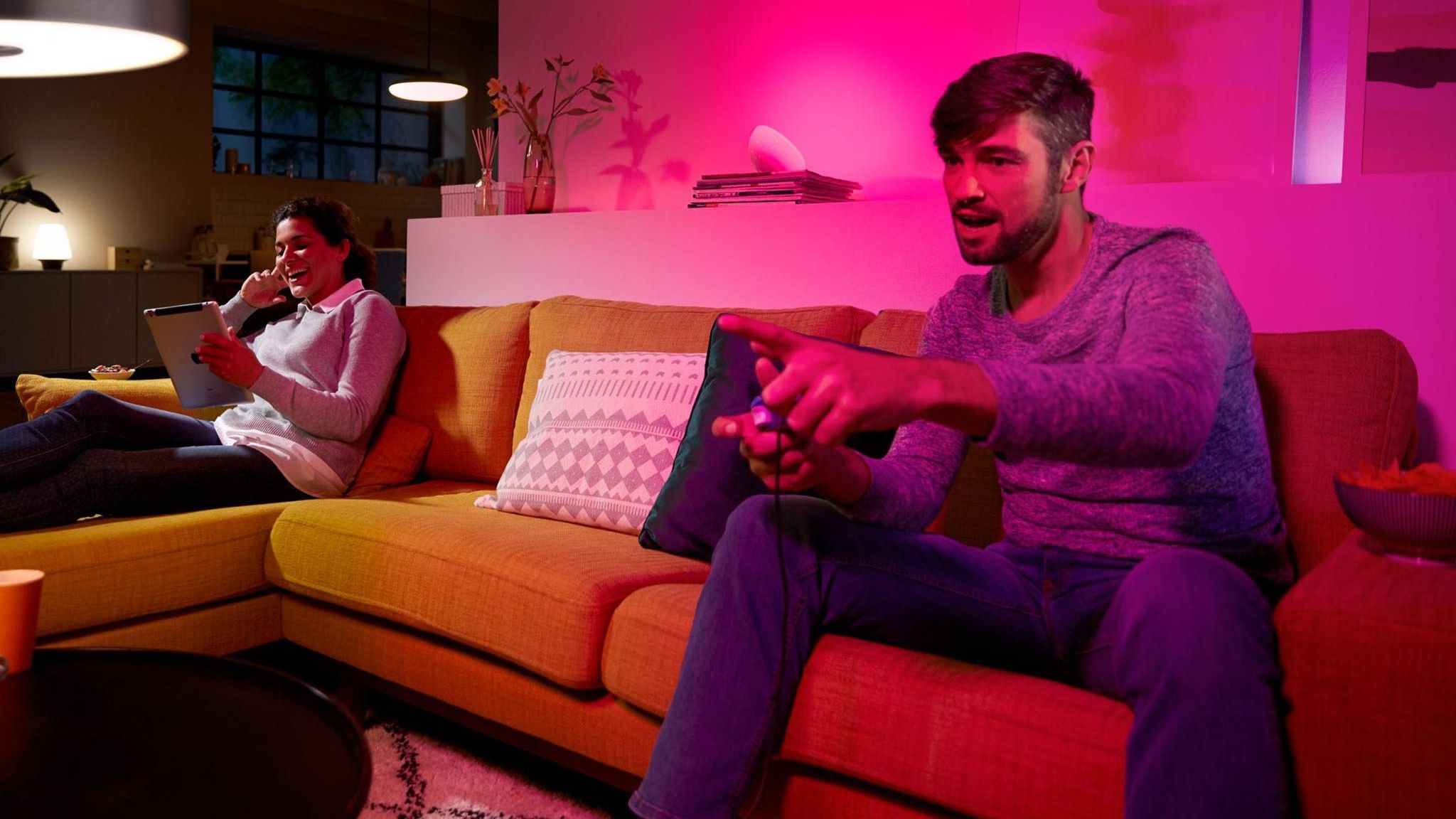
Layered lighting is achieved by integrating four main types of lighting: ambient, task, accent, and decorative. Collectively, these light types serve practical needs while also adapting to various activities and moods throughout the day. Philips Hue’s spokesperson notes that an effective lighting arrangement goes beyond just a central ceiling light. Incorporating table lamps, wall lights, and light strips can add dimension, accentuating architectural features and enhancing color richness.
Amelung advises against rigid, uniform lighting setups, like standard grids of spotlights. Instead, a more strategic approach—positioning lights based on room usage—is encouraged. Ideally, lighting should be placed to avoid creating harsh shadows, particularly above seating areas or in spaces designed for relaxation, like bedrooms.
The Role of Smart Lighting
Smart lighting systems greatly facilitate layered lighting due to their adaptability. These systems allow users to adjust brightness, color temperature, and ambience effortlessly throughout the day without moving furniture or fixtures. According to Philips Hue, this flexibility enables homeowners to easily create distinct atmospheres for different uses, whether it’s working or unwinding at the end of the day.
Govee’s innovative features, such as DaySync and LuminBlend+, allow lights to automatically adjust based on the time of day and user preferences. This capability helps create immersive environments tailored to individual lifestyles.
Getting Started with Layered Lighting
For those interested in exploring layered lighting, Philips Hue suggests a practical approach. In a bedroom setup, for instance, consider using an overhead fixture for clarity, bedside lamps for reading, soft accent lights for ambiance, and concealed light strips along architectural lines. When dimmed, these elements can create a cohesive and clutter-free environment, each serving a unique function.
Experts recommend starting with essential products, such as recessed spotlights, table lamps, floor lamps, smart ceiling lights, and gradient light strips. By understanding the different layers of light and experimenting with these elements, homeowners can effectively transform their living spaces into inviting havens that reflect their lifestyles.
The content above is a summary. For more details, see the source article.









