


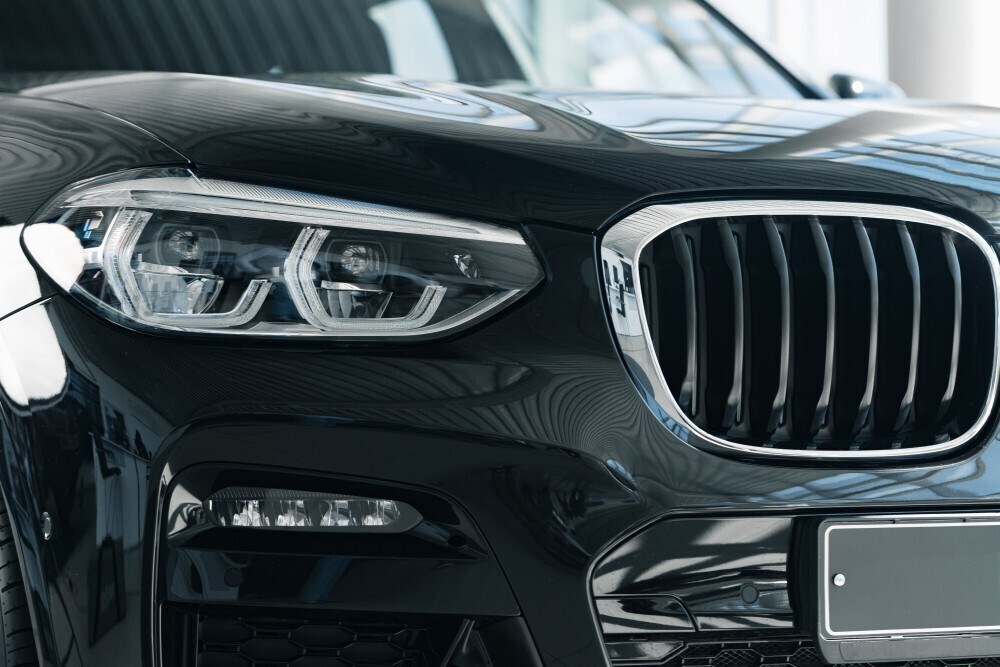
Key Takeaways
- BMW’s redesigned X5 vehicle manufacturing process aims to reduce emissions by 40% using recycled materials and renewable energy.
- Significant portions of the vehicle’s body and interior components utilize recycled materials, including steel and aluminium.
- Batteries are now recycled for key materials, enhancing sustainability throughout the production cycle.
Redefining Sustainable Manufacturing
BMW is revolutionizing green vehicle production with its latest X5 model by implementing a comprehensive redesign of its manufacturing processes. The company emphasizes that creating a sustainable car goes beyond merely substituting a petrol engine with electric power. By focusing on every stage of the vehicle’s life—from raw material sourcing through to recycling—BMW aims to cut emissions substantially.
Approximately half of the steel used in the X5’s body comes from electric arc furnace (EAF) steel processes, which favor recycled materials and renewable energy over traditional methods. Additionally, the car now features increased use of renewable energy-sourced aluminium in parts such as wheel rims and brake calipers. BMW has established a closed-loop recycling system to recover aluminium waste generated during production, which contributes to about one-third of the total weight of the iX5 60 xDrive, around 940 kilograms.
The interior of the X5 showcases BMW’s commitment to sustainability, incorporating a headliner made entirely from recycled polyethylene terephthalate (PET). This indicates a broader trend within the company to minimize the use of virgin materials and fully integrate recycled options into their production strategy.
From a sustainability perspective, the manufacturing changes made to the X5 are projected to reduce CO2 equivalent emissions by around 40% during its production phase, although these figures are pending independent verification. BMW asserts that when comparing the iX5 60 xDrive with a combustion-engine equivalent, its production emissions, along with cleaner operational output, would provide an overall carbon edge after one to two years of typical use, depending on factors like electricity sourcing and driving habits.
Furthermore, BMW has redefined battery recycling by focusing on recovering lithium, nickel, and cobalt—the valuable materials crucial for next-generation batteries—as opposed to just steel casings. This initiative, combined with renewable energy in battery cell production, leads to a 28% decrease in emissions per watt-hour of battery capacity compared to previous generations.
Overall, the latest production techniques signify a shift in the automotive industry, emphasizing reduced environmental impact throughout the manufacturing chain. BMW is not only producing vehicles that are cleaner to drive but is also committed to creating significantly less carbon-intensive cars, reflecting an ongoing commitment to sustainability in every phase of production. Long-term success remains contingent on the availability of recycled materials, renewable energy, and robust recycling infrastructure.
The content above is a summary. For more details, see the source article.









