


Key Takeaways
- Malaysia’s agricultural sector is crucial for food security and economic growth but faces an aging workforce.
- Early exposure to agriculture in education can attract more youth to the sector, according to a recent report.
- Modernizing agricultural education is essential to align career aspirations with technological advancements in agriculture.
The Challenge of Attracting Youth to Agriculture
Mubin M., a 16-year-old student, enjoys working on his school’s community farm but expresses fears about a career in agriculture due to perceived financial risks and high startup costs. His concerns reflect a broader trend among Malaysian youth, who are increasingly hesitant to engage in agriculture as a career.
Naviin Thiaga, CEO of the organic farming business Sayur Kita Asia, considers himself fortunate to have been introduced to agriculture early on, which ignited his interest. He highlights the significance of agricultural science education and supportive teachers in shaping career paths.
The Malaysian agricultural sector plays a vital role in ensuring food security and economic resilience. It supports local employment and reduces dependency on imports. However, more than 45% of agricultural producers are over 60 years old, raising concerns about the future workforce. As climate change intensifies and weather patterns become more unpredictable, addressing these challenges is vital for maintaining food security.
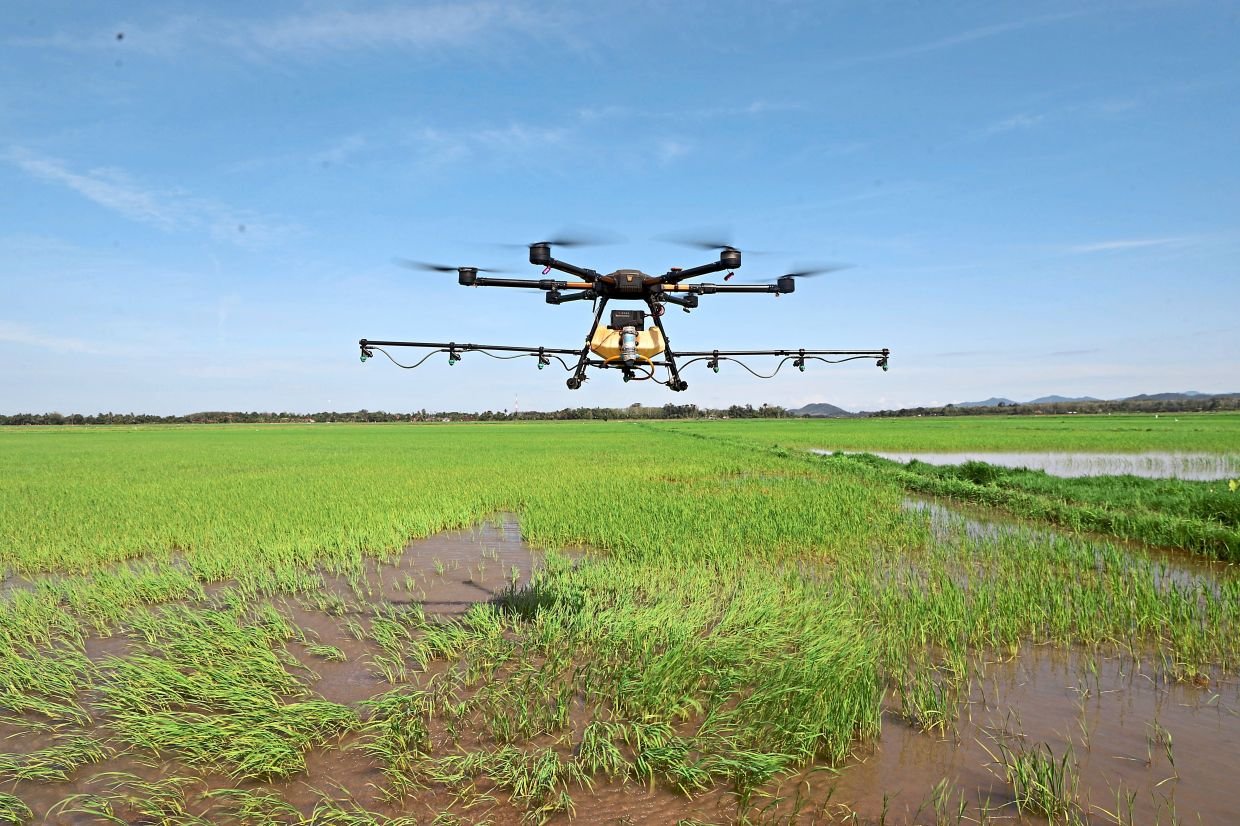
The recent study “Youth Voices, Future Choices” by the Institute for Democracy and Economic Affairs (Ideas) emphasizes the need for tailored educational pathways to draw younger generations into agriculture. The research indicates that while students enrolled in Technical and Vocational Education and Training (TVET) programs are likelier to consider agricultural careers, they tend to focus on traditional rather than technology-driven opportunities.
Only about half of surveyed students view agriculture as a modern, high-tech industry, underscoring the knowledge gap regarding modern agricultural careers. The study involved 14,305 students from various schools and found that agricultural education correlates strongly with interest in careers in the sector.
According to report co-authors Dr. Stewart Nixon and Priya Kaur Sachdev, increasing familiarity with agricultural practices can yield positive career prospects. Recommendations include revisiting educational curricula to introduce agriculture at earlier educational stages while ensuring thorough evaluations before changes.
A specialized focus on agri-tech careers is needed, with TVET students showing preference for traditional agriculture roles over technologically-oriented positions. To modernize the curriculum, industry partnerships will be crucial, but a balance is needed to maintain preparation for traditional agricultural jobs.
Interestingly, many students expressing interest in agriculture come from families with no agricultural background, suggesting a potential increase in talent across a wider demographic. The perception of agriculture is improving compared to other sectors like construction and mining.
To attract youth, it’s essential to showcase agriculture as a sector filled with innovation and entrepreneurial opportunities. The report underscores that career aspirations are shaped by economic, educational, and social factors, necessitating effective policies to engage young people. There remains a need for further research on influences shaping these aspirations to develop targeted interventions. Strengthening agricultural career pathways is critical for mobilizing the next generation and ensuring the sector’s sustainability.
The content above is a summary. For more details, see the source article.









