


Key Takeaways
- The global market for connected vehicles is projected to reach 830 million by 2030, driven by advancements in connectivity.
- The introduction of SGP.32 eSIM specification enhances remote-provisioning capabilities, complicating management for OEMs but increasing flexibility.
- 5G technology will facilitate faster software updates and new services, necessitating heightened visibility and control for OEMs over their connectivity infrastructure.
Connected Cars Evolve as Software-Defined Vehicles
The automotive industry is transitioning to software-defined vehicles, which are continuously improved through software updates. According to Analysys Mason, the number of connected vehicles is expected to rise to 830 million by 2030. Key drivers of this growth include a surge in data usage, the shift to eSIM technology, and the deployment of 5G networks.
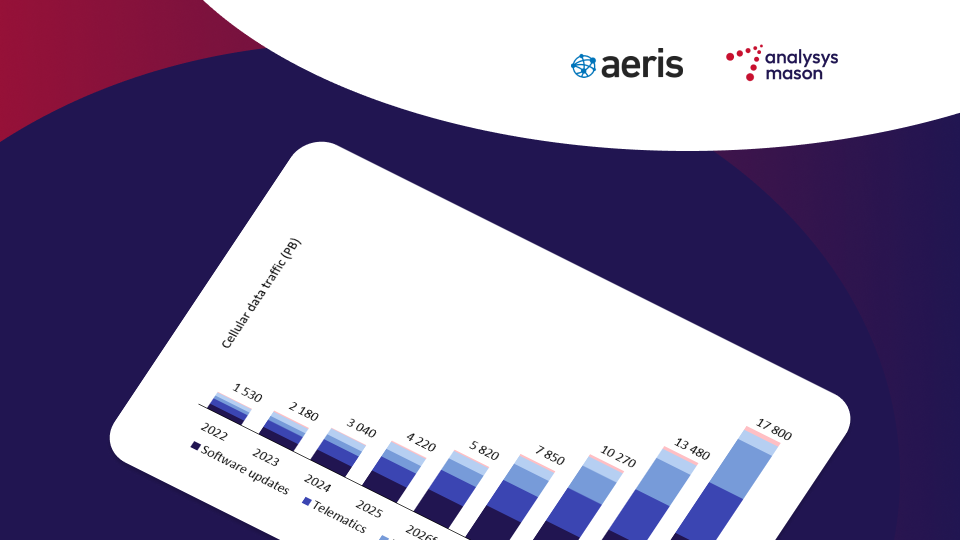
Underpinning this transition is an anticipated fourfold increase in cellular traffic for connected cars. By 2030, each vehicle is expected to consume around 22GB annually, spurred by applications like in-vehicle entertainment and software updates. Electric vehicles (EVs) are amplifying this trend, as they will represent over 40% of new car sales and rely more extensively on software and app-driven services.
This dramatic rise in data could lead to unforeseen costs and challenges for original equipment manufacturers (OEMs) if left unchecked. Enhanced operational visibility within their networks is essential for OEMs to manage this data effectively, enabling them to monitor unusual usage patterns, control costs, and maintain critical services like telematics and updates.
The rollout of SGP.32, an eSIM specification tailored for the Internet of Things (IoT), represents a significant change in how connectivity is approached in vehicles. Unlike physical SIM cards that restrict OEMs to one operator, SGP.32 allows remote profile management entirely over the air, enabling global service deployment. However, this added flexibility comes with operational complexities, demanding extensive oversight of connectivity performance and network selection for vehicles in various regions.
5G technology is game-changing, offering higher bandwidth and lower latency than 4G. It enables quicker software updates, high-definition streaming, and enhances real-time services such as advanced driver-assistance systems and vehicle-to-everything (V2X) communication. These advancements will create new demands on vehicle connectivity, and OEMs will need robust tools to manage these services effectively.
As the landscape of software-defined vehicles evolves, connectivity becomes a strategic capability rather than just a support function. With growing data consumption and the need for dynamic connectivity, OEMs require comprehensive visibility and controls across fleets. Real-time monitoring of vehicle performance, network behavior, and application efficiency is vital for maintaining service quality and ensuring customer satisfaction. OEMs that integrate connectivity management, operational visibility, and security into a cohesive strategy will be best positioned to thrive in the market.
Aeris has established itself as a leader in cellular connectivity for IoT applications, supporting 70 automotive programs across various brands. Their Aeris IoT Watchtower platform provides OEMs with the necessary operational insights and security controls to optimize fleet management, enhance performance, and drive profitability in the connected vehicle space.
The content above is a summary. For more details, see the source article.









