


Key Takeaways
- Farmers are experiencing “agritech fatigue,” leading to skepticism towards startups after failed trials.
- Startups must adapt their technology to local conditions and provide reliable information on return on investment.
- Securing venture capital for agritech startups is becoming increasingly challenging.
Industry Insights on Agritech Challenges
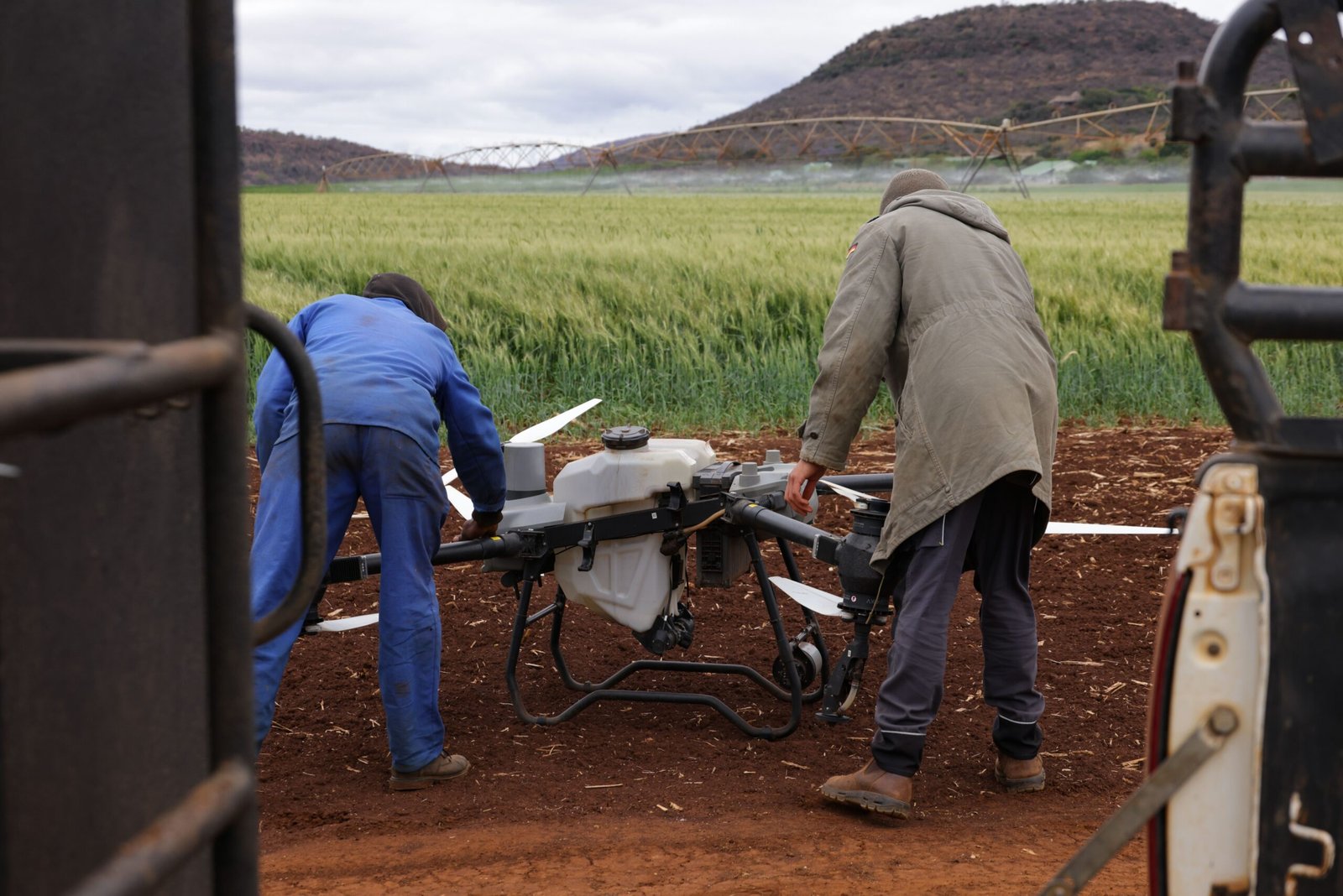
Steve Saunders, co-founder of Robotics Plus, has highlighted a growing trend of “agritech fatigue” among farmers, stemming from ineffective trials of new technology. Speaking at the AgriTech Unleashed seminar in Tauranga, he cautioned startups to align their innovations with farmers’ expectations instead of focusing solely on impressive prototypes.
Saunders pointed out that many startups present new gadgets to farmers, but when these technologies fail during trials, the outcomes are often not communicated back to the growers. This issue contributes significantly to skepticism surrounding new agritech solutions. Over ten years ago, Robotics Plus began developing a machine to automate kiwifruit picking. Despite kiwifruit’s attractive profit margins—approximately 50%—the market size is limited, with only around 15,000 hectares cultivated in New Zealand, making it challenging to scale innovations effectively.
In response to these market realities, Robotics Plus shifted their focus, creating the Prospr machine, a modular autonomous platform suitable for various orchard applications. Saunders emphasized the importance of understanding local market conditions. He advised that startups should immerse themselves in the environments where their technology will operate, learning how it will perform under different conditions, such as high temperatures and dust.
Farmers expect new technologies to deliver similar reliability and warranties as traditional equipment. Saunders noted, “It is about return on investment, reliability and warranty confidence.” He believes that a two-year payback period is ideal, with longer return expectations likely to deter growers. The Prospr robot, for instance, offers a return of $35 per acre per spray pass, achieving payback in about 1.8 seasons for farmers who perform multiple passes each crop cycle.
Integration with existing farm data is another crucial element. Saunders referenced Yamaha Motor, the parent company of Robotics Plus, which acquired a digital data company to enhance its understanding of farm insights. This ensures that new technologies not only generate data but also integrate with pre-existing datasets to provide actionable insights.
Sandhya Sriram, head of Sprout Agritech, echoed these sentiments concerning funding challenges faced by agritech startups, indicating that many investment firms are retracting their support for the sector. This tightening of venture capital highlights the ongoing struggles for innovation and investment within the agritech landscape.
The content above is a summary. For more details, see the source article.









