


Key Takeaways
- Israeli forces withdrew from parts of southern Lebanon following a U.S.-brokered agreement, allowing the Lebanese Armed Forces to regain control.
- The Ali al-Taher hills are a strategic area facing Israeli military operations, suspected to host Hezbollah infrastructure.
- Concerns exist regarding Israel’s intentions to establish a long-term presence in Lebanon despite the ceasefire agreements.
Recent Developments in Southern Lebanon
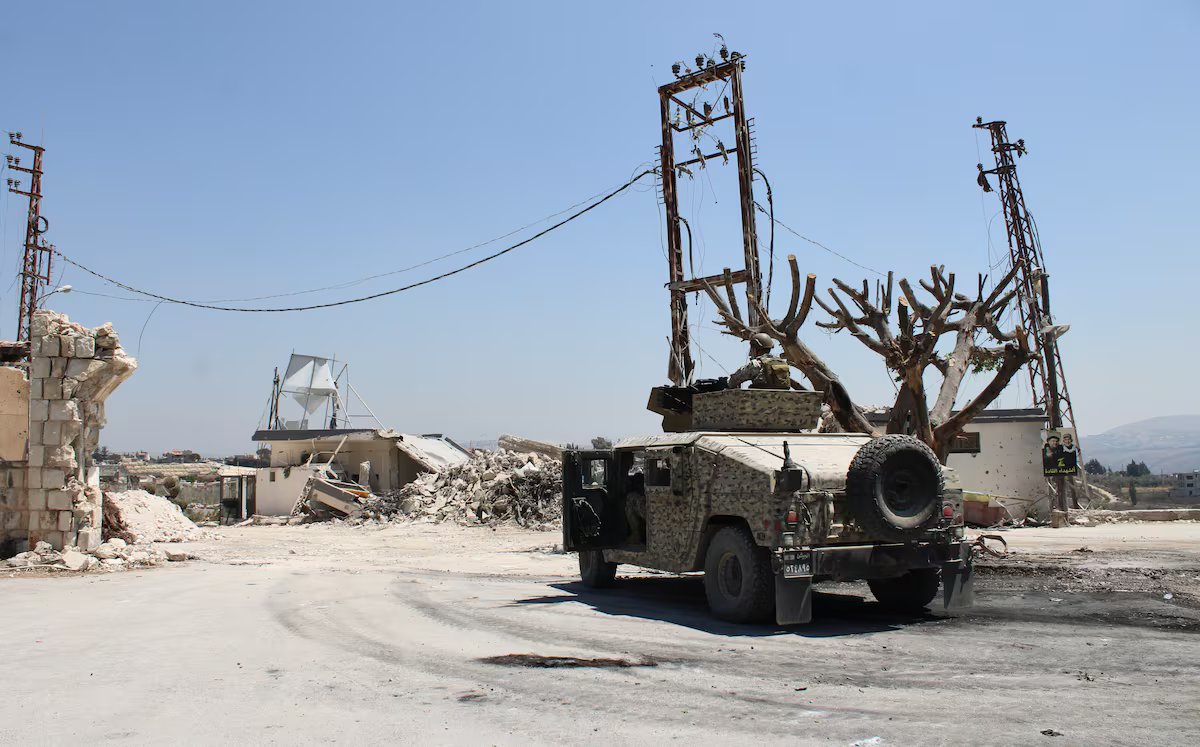
In Zawtar Gharbieh, southern Lebanon, the Lebanese Armed Forces (LAF) have recently regained control after Israeli troops withdrew from specific areas, a move aligned with a U.S.-mediated agreement. This agreement outlines a pilot zone model where Israel would withdraw from two areas in exchange for the verification of Hezbollah’s disarmament, though a verification process remains undefined. The LAF is actively engaged in clearing rubble and restoring basic services in the region, where several families are returning.
Israeli forces are present in the region but without a permanent foothold. Mayor Abed Ezzeddine emphasized that while the Israeli military conducted operations within the town, a continual occupation was never established. Tensions remain high as Israeli reconnaissance drones fly over the area, prompting the LAF to request that these drones maintain a respectful distance from civilians.
The Ali al-Taher hills, an elevation with strategic significance, overlooks the city of Nabatieh and is currently subjected to intermittent Israeli shelling. Mounir Shehadeh, a former brigadier general, noted the hills’ military importance, given their potential to house underground infrastructure linked to Hezbollah. However, verification of these claims is challenging, and such reports may serve as a component of psychological warfare aimed at justifying further Israeli military action.
The heightened military activities include an increase in Israeli strikes, as UNIFIL reported an average of 137 projectiles fired per day from August 5 to August 16. The allegations concerning underground installations and their implications create a narrative that may serve Israeli interests, particularly in light of upcoming elections.
Nabatieh’s mayor, Abbas Fakhreddine, echoed the sentiment that the strategic significance of Ali al-Taher may be overstated. The area’s historical and military significance is underscored by the fact that the Israeli military has traditionally struggled to maintain control over the hill. The geographic advantages of Ali al-Taher allow for observation and control over surrounding regions, crucial for both surveillance and tactical operations.
Despite pressure from Israeli forces, the LAF remains under-resourced and lacks sufficient equipment to confront either Hezbollah or the Israeli military directly. There is widespread concern that any potential Israeli occupation, even if not formally declared, could represent a gradual consolidation of power in the region. Shehadeh articulated three potential aims behind Israeli military efforts in Ali al-Taher: to eliminate Hezbollah’s observational capabilities, to create a chain of strategic high ground within Lebanon, and to influence the political landscape without the need for overt declaration of occupation.
As military confrontations continue in southern Lebanon, the situation surrounding Ali al-Taher is increasingly viewed as critical for both the future of Lebanese sovereignty and Hezbollah’s operational capabilities. The ongoing dynamics highlight the complex interplay of military strategy and regional politics, making the future of the border a pressing concern for both sides.
The content above is a summary. For more details, see the source article.









