


Key Takeaways
- Chinese agricultural loans in Africa focused largely on farm development, fisheries, and irrigation, with limited investment in agro-processing and storage.
- From 2000 to 2024, China financed 41 agricultural projects in Africa totaling approximately US$2.26 billion, primarily through government-affiliated entities.
- Future agricultural lending must connect production with processing and market access to drive meaningful change in Africa’s agricultural sector.
Chinese Agricultural Financing in Africa
China directs its agricultural funding toward farm development, fisheries, irrigation, mechanization, and rural infrastructure, with minimal focus on agro-processing and storage. Southern African nations like Angola, Zambia, Zimbabwe, and Mozambique receive the largest share of these funds, followed by Ethiopia, Kenya, Tanzania, Nigeria, and Ghana.
A recent study analyzed agricultural lending from Chinese institutions compared to other sectors, revealing an expansion of Chinese support for agriculture across Africa. Between 2000 and 2024, Chinese lenders provided 41 agricultural loans, amounting to about US$2.26 billion. Of these loans, nearly 36% financed farm schemes, while fisheries received 29%. However, investments in storage and processing were notably low, with cold-chain infrastructure accounting for only 3% and agro-processing facilities under 2%.
Larger loans usually flow through government-affiliated agencies instead of directly to national governments. Generally, agricultural funding constitutes a small portion of China’s broader development finance, which favors transportation, energy, and infrastructure projects.
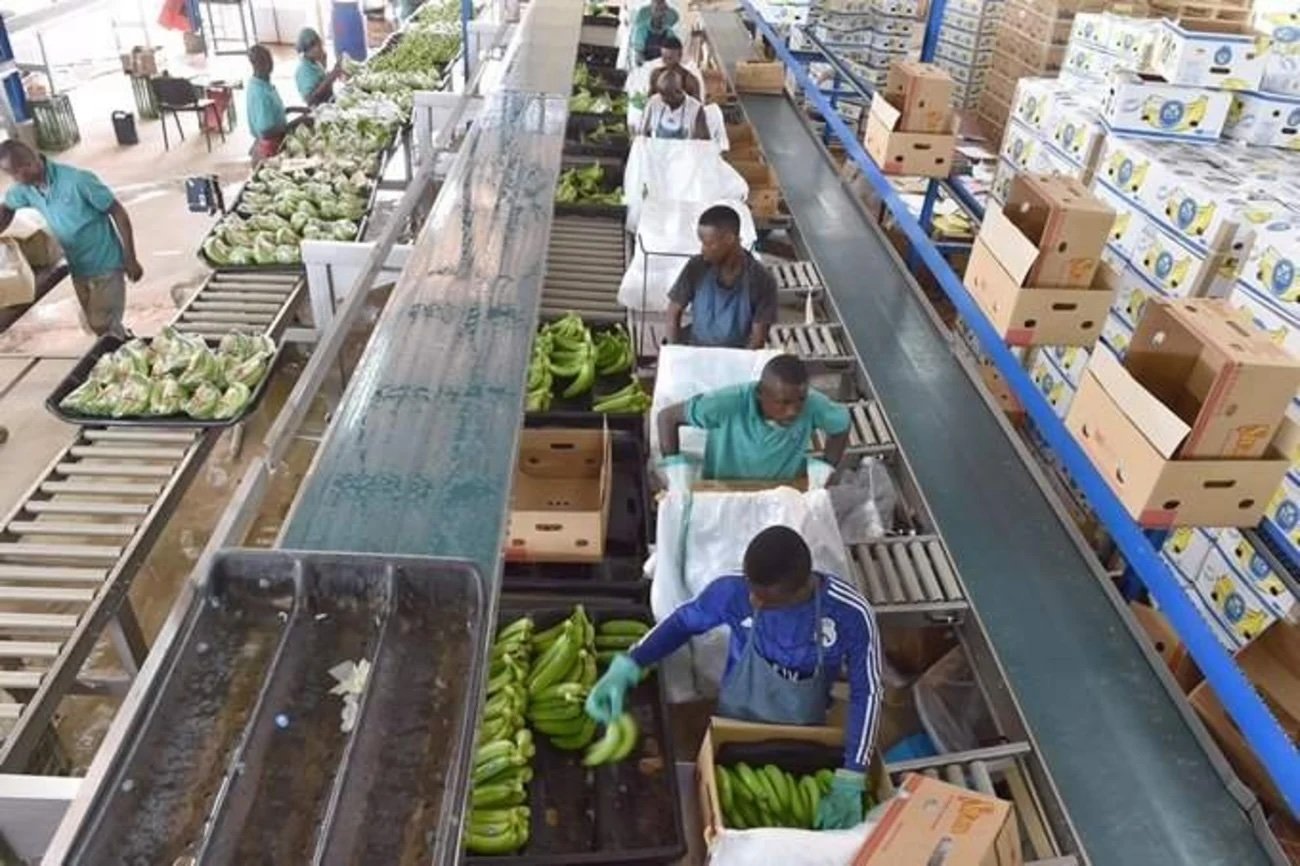
While some loans improved farming infrastructure, there is a significant shortfall in investments aimed at food processing, storage, and market systems, essential for robust agricultural industries. Loan decisions from Chinese lenders prioritize practical projects over a comprehensive strategy for transforming agriculture in Africa.
To modernize agriculture, African nations require substantial investments in areas like irrigation, machinery, storage, and transport. International loans can play a pivotal role, but the effectiveness of such funding relies on the nature of the projects being supported. For agriculture to truly enhance economic growth and food security, investments must go beyond increasing crop production to include market access and support services.
Research indicates that despite bolstering agricultural production, China’s funding lacks sufficient support for critical infrastructure like storage and processing, which are vital for transformation.
For meaningful change, Chinese financial contributions should balance between farming infrastructure and broader systems that integrate production, processing, and market access.
African governments have the opportunity to secure financing that reinforces agricultural value chains, ensuring funds are directed toward long-term agricultural goals. Cooperation between agriculture, finance, and planning departments is essential to align loans with national strategies.
Greater transparency in borrowing and project implementation will promote accountability and ensure sustainable agricultural advancements. Development partners should advocate for financing models that link production to processing and market access to generate extensive economic benefits amid growing pressures from climate change and food insecurity in Africa.
The content above is a summary. For more details, see the source article.









