


Key Takeaways
- EnergyCloud Germany aims to use surplus renewable energy to help households in energy poverty.
- The program has successfully rolled out in Germany, with plans for rapid expansion to other regions.
- Partnerships with various stakeholders are crucial for scaling and enhancing the model.
Innovative Approach to Energy Poverty
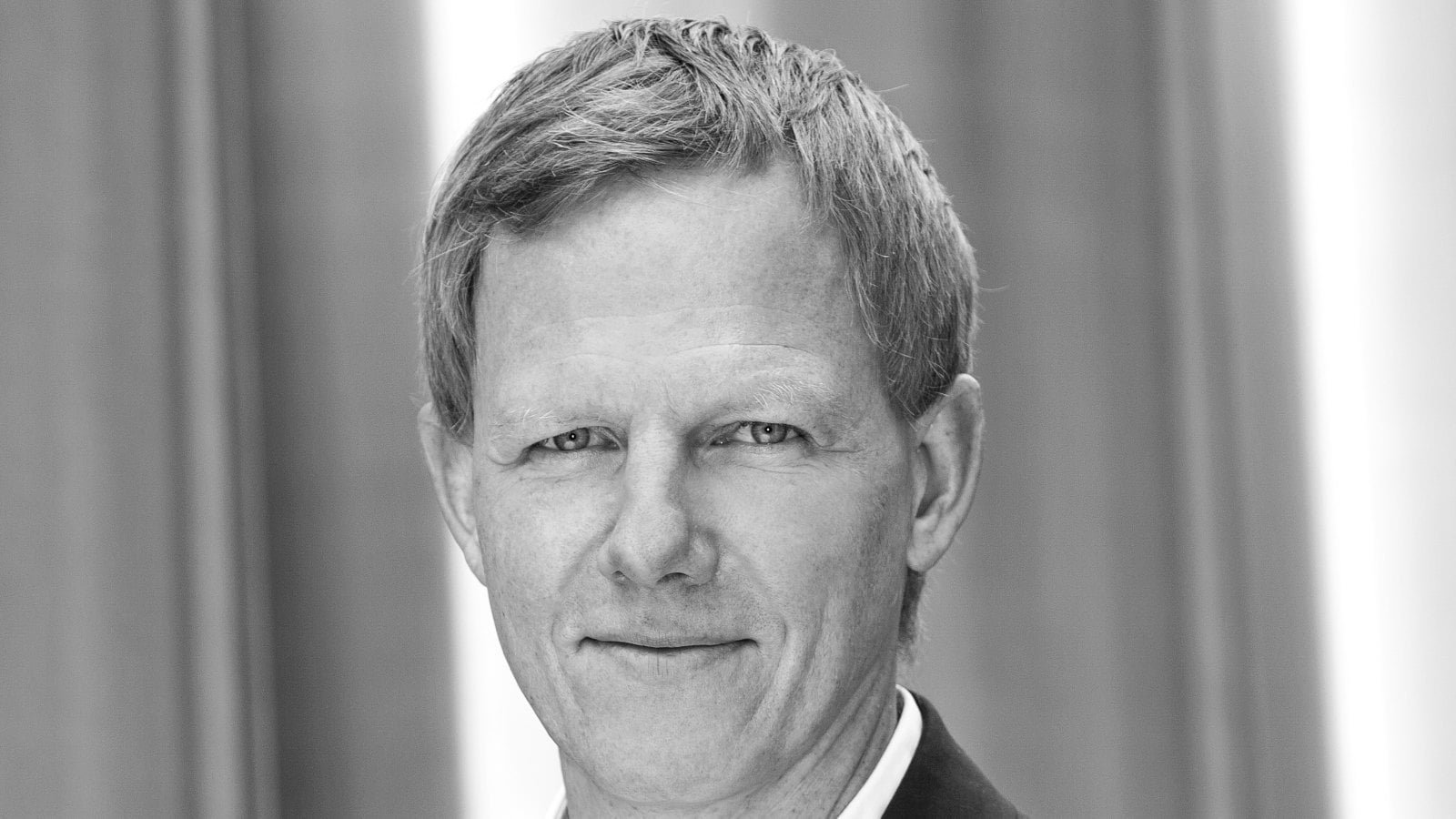
Henrik Schapp, CEO of EnergyCloud Germany, emphasizes that the energy transition should prioritize benefit sharing among households, particularly those in energy poverty. EnergyCloud, a non-profit with operations in Germany and the UK, seeks to utilize surplus renewable electricity that would typically go to waste to support vulnerable households.
In essence, Germany, at times, generates more renewable energy than its system can handle, leading to a reduction in wind and solar output. EnergyCloud identifies these surplus periods, allowing participating households to access free electricity or thermal energy. In 2024, Germany curtailed 9,400 GWh of renewable energy valued at around €3.76 billion, while nearly five million households faced energy poverty.
Schapp notes that EnergyCloud’s model differs from traditional energy sector approaches. It does not act as an aggregator controlling household assets but rather coordinates the social allocation of surplus electricity, which is then stored for later use. This allows households to benefit from the surplus without depending solely on it for their energy needs.
The program has achieved significant success during its initial rollout in Germany. The pilot, launched in 2025 in the Rheingau-Taunus region, demonstrated effective interaction between connected thermal storage systems and surplus energy, now transitioning into a commercial phase. This second phase will expand the project and measure its impacts on household energy costs and reliability.
Lessons from the pilot suggest that technology is just one component of success. Building trusted relationships with housing providers and effective communication with tenants are equally important. Future expansions will involve engaging local stakeholders earlier and standardizing processes for equipment connections.
As EnergyCloud gears up for its broader rollout into areas like Bavaria and Berlin, the focus is on overcoming challenges related to integrating various heating technologies and ensuring reliable delivery of surplus energy. Collaborations with electricity networks, renewable energy providers, and housing organizations will play a vital role in the model’s future success.
The ambition is clear: to transform the lives of millions of households by harnessing renewable energy that would normally be lost, ultimately making energy transitions fairer and more effective.
The content above is a summary. For more details, see the source article.









