


Key Takeaways
- The Trump administration seeks to dismantle the National Center for Atmospheric Research (NCAR), sparking widespread opposition.
- Experts warn this move could severely impact agricultural research and weather modeling vital for farmers.
- Pending lawsuits aim to prevent the transfer of crucial resources from NCAR, including the NCAR-Wyoming Supercomputing Center.
Concerns About National Research Center Disbandment
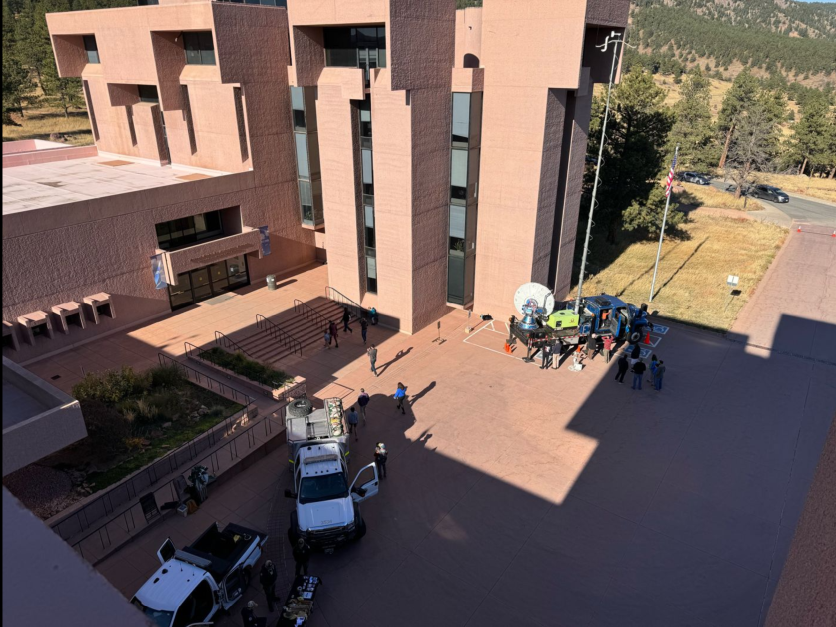
The Trump administration’s proposal to dismantle the National Center for Atmospheric Research (NCAR) in Colorado is facing significant backlash from universities, the state of Colorado, and environmental organizations. Last December, the National Science Foundation (NSF) announced plans to restructure NCAR, a leading climate research institution, a move that Office of Management and Budget Director Russell Vought criticized, claiming it was a source of “climate alarmism.”
Critics argue that cutting NCAR’s funding and resources would hinder critical climate research and weather modeling. Former NOAA assistant administrator Craig McLean emphasized the center’s role in hypothesis-driven scientific projects that contribute significantly to operational weather science through partnerships with organizations like NOAA.
A major concern is the transfer of the NCAR-Wyoming Supercomputing Center (NWSC). The University Corporation for Atmospheric Research, which manages NCAR, filed a lawsuit in April and secured an injunction to prevent the transfer of NWSC. The center provides invaluable Earth system simulations and data used by various sectors including aviation and agriculture to assess climate-related risks.
NCAR plays a critical role in supporting farmers by offering vital information on immediate weather alerts, drought forecasts, and long-term water availability. For instance, the development of the CropSmart app allows farmers to make data-driven decisions regarding planting and irrigation. Currently in its third year of testing, the app aims to enhance agricultural productivity and is expected to benefit smaller farms by providing affordable access to predictive agricultural data.
NCAR project scientist Zhe Zhang noted the app’s focus on individualized field-level guidance, offering recommendations for irrigation, fertilization, and harvesting. The app is designed to streamline the array of technologies and applications utilized by farmers, addressing the complexity of existing systems that often fail to integrate seamlessly.
Additionally, NCAR is involved in projects addressing Colorado’s mountain snowpack and streamflow predictions that are essential for irrigation in western states. Anjuli Bamzai, an NSF geosciences adviser, highlighted how dismantling NCAR would undermine interdisciplinary approaches critical for tackling issues related to agriculture and food security.
As NCAR faces significant staffing changes—with approximately 50 fewer employees in just one year—there are concerns about the center’s research capabilities and future sustainability. Currently, NCAR operates with around 775 staff members, a drop attributed to voluntary departures and budget constraints. Though large-scale layoffs have not occurred, uncertainty surrounding federal funding continues to impact the organization.
This restructuring raises important questions about the future of NCAR and the vital research it conducts, particularly in a time when effective climate science is more crucial than ever. The ongoing legal battles and widespread opposition underscore the significance of NCAR’s role in advancing understanding of climate impacts on agriculture and related fields.
The content above is a summary. For more details, see the source article.









