


Key Takeaways
- The EU is reviewing Ukraine’s request for funds to purchase PAC-3 missiles using a €90 billion support loan.
- Ukraine’s defense minister emphasizes the need for additional aid amid ongoing aerial strikes by Russia.
- The loan prioritizes European and Ukrainian weapons, requiring a formal exemption for U.S.-made systems like the PAC-3.
Ukraine Seeks EU Support for PAC-3 Missiles
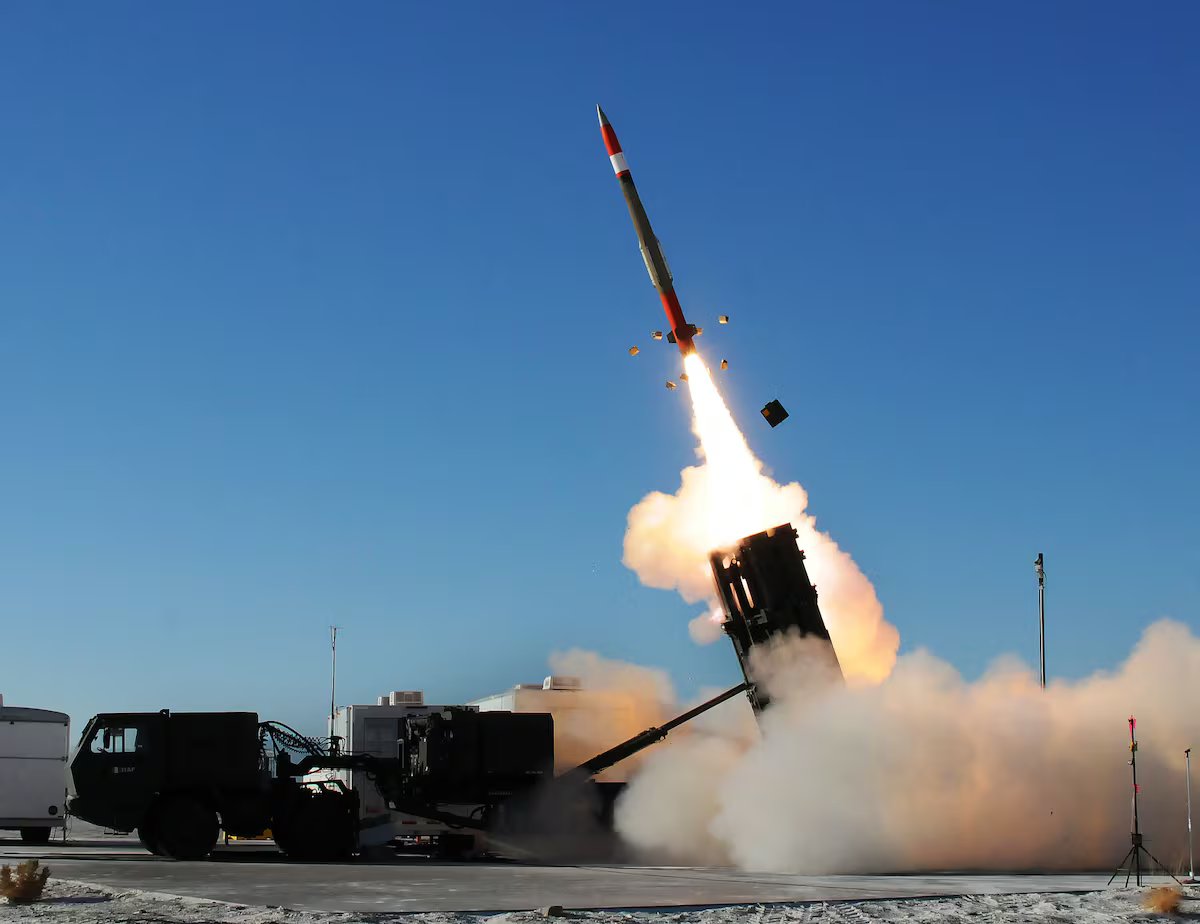
The European Union is currently evaluating Ukraine’s request to utilize a substantial portion of a €90 billion support loan to finance the procurement of PAC-3 interceptor missiles for its Patriot missile defense batteries. This marks the first formal request by Ukraine to access this support, aimed primarily at bolstering its defense amid ongoing hostilities with Russia.
European Commission President Ursula von der Leyen confirmed the request on September 2, alongside NATO Secretary General Mark Rutte. In her statement, von der Leyen reiterated the EU’s commitment to supporting Ukraine, stating, “We will keep supporting Ukraine, including with European air defence and PAC-3 Patriot systems.” She emphasized the need for close cooperation with NATO to deter any aggression against Ukraine’s sovereignty.
This announcement comes shortly after Ukraine’s defense minister, Yevhenii Khmara, called on allied nations for enhanced military aid. With consistent aerial strikes affecting Ukrainian cities such as Kyiv and Odesa for over a week, the country is urgently facing a shortage of antiballistic interceptors. Khmara has urged partners to allocate national funds for the purchase of Ukrainian drones, expedite the EU loan process, and explore the use of frozen Russian assets to help meet Ukraine’s defense needs.
Khmer noted that Ukraine is currently grappling with a $27 billion deficit in its defense budget. He asserted that supporting Ukraine is mutually beneficial, stating, “Every euro invested in Ukraine’s defence is an investment in European security.”
The support loan finalized by the EU Council this past April allocates approximately €60 billion for defense-related procurements and €30 billion for general budget support. However, stipulations in the loan’s framework prioritize the purchase of European or Ukrainian-made weapons, limiting any non-EU or non-Ukrainian components to 35% of the total purchase value. As PAC-3 missiles are manufactured in the United States, this requirement necessitates a formal exemption for Ukraine to access these funds.
In a related context, Ukraine successfully received a carve-out in April for certain components used in Chinese-made drones, establishing a precedent that could influence EU member states’ decision-making regarding the current request for PAC-3 missiles. Von der Leyen indicated that the review process for the required exemption is progressing positively, and EU representatives are expected to make a decision shortly.
This situation underscores the ongoing urgency for international support as Ukraine navigates the daunting challenges posed by ongoing conflict, reinforcing the interconnectedness of Ukraine’s defense efforts with broader European security interests. The outcome of the exemption request and subsequent funding could significantly impact Ukraine’s capability to counter aggressive actions and uphold its sovereignty.
The content above is a summary. For more details, see the source article.









