


Key Takeaways
- Satellite connectivity is becoming more accessible and cost-effective for IoT applications.
- New standards integrating satellite and cellular networks are poised to transform the market.
- Global coverage from satellites is essential for critical sectors like automotive and asset tracking.
Shifting Landscape of Satellite Connectivity
Satellite connectivity is evolving beyond just serving remote IoT deployments. Recent advancements in technology and changes in market dynamics are making satellite a more viable option for a variety of connected devices, mobile assets, and global IoT applications.
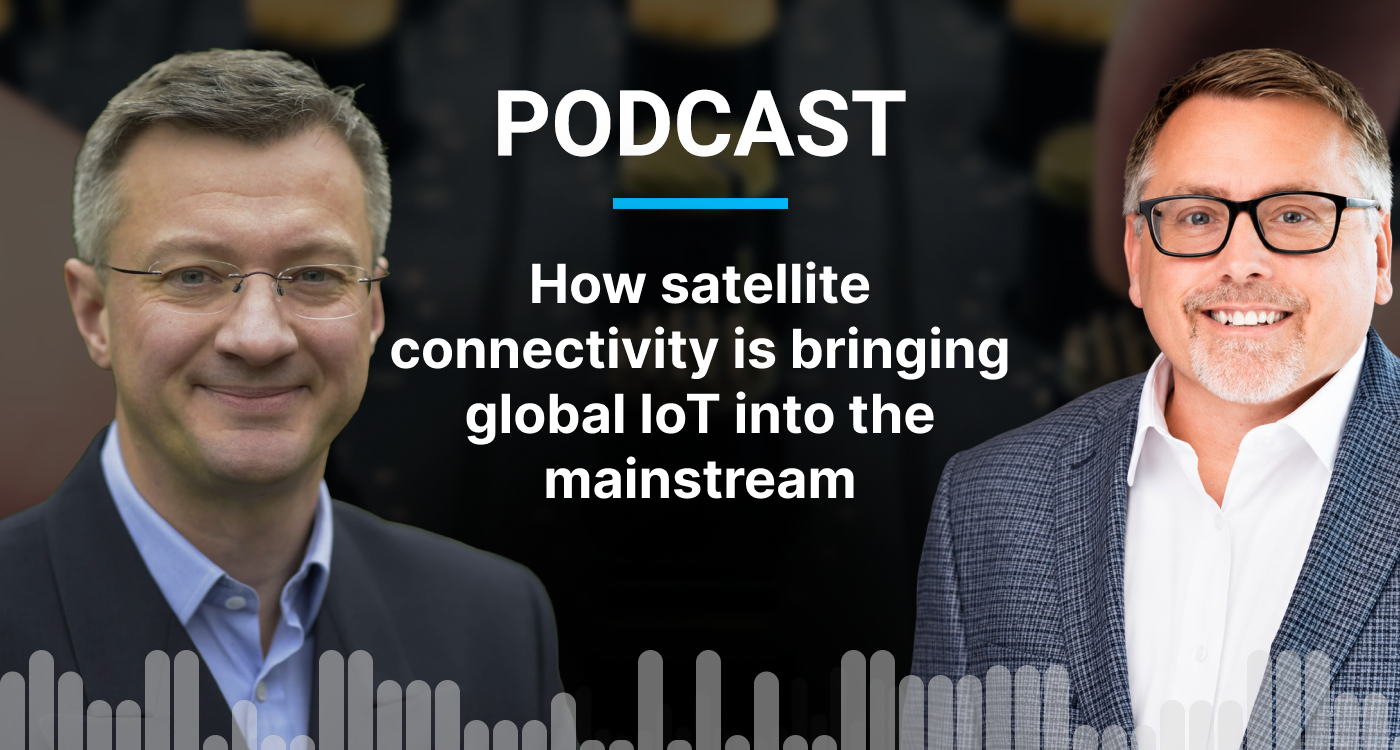
In a discussion on the Trending Tech podcast, Jim Morrish, Co-Founder of Transforma Insights, spoke with Tim Last, Executive Vice President at Iridium, about the shifts occurring in satellite connectivity and the implications for IoT. Their conversation highlighted several pivotal areas:
One significant development is the increasing accessibility of satellite technology for IoT developers. As costs decline and new standards emerge, satellites are transitioning into a more integral role in connectivity strategies, rather than being viewed as a fallback option. This is particularly relevant as IoT deployments grow in mobility and distribution.
Another crucial point addressed was the merging of Non-Terrestrial Network (NTN) standards with cellular technologies. This convergence could greatly alter the market landscape, offering expanded capabilities for IoT solutions and enhancing the overall reliability of connections.
Furthermore, the conversation underscored the importance of satellites in complementing terrestrial connectivity. In various sectors—especially those requiring robust communication, like automotive and critical infrastructure—having satellite capabilities ensures more resilient positioning, navigation, and timing. This is vital for operational efficiency and safety in industries reliant on accurate data and real-time updates.
The potential applications of global satellite coverage extend to automotive advancements, ranging from autonomous vehicles to comprehensive asset tracking solutions. With reliable satellite connections, businesses can facilitate operations in areas that previously lacked connectivity, ultimately enhancing service delivery and operational effectiveness.
In conclusion, the drive toward integrating satellite connectivity into modern IoT strategies signifies a critical evolution in how businesses approach technology. As satellite capabilities expand and become increasingly affordable, their role in supporting business-critical applications appears set to grow substantially.
The content above is a summary. For more details, see the source article.









