


Key Takeaways
- A new Security Labelling Scheme for Smart Devices in Australia assigns a rating to IoT products based on security compliance.
- The scheme covers devices like smart TVs and cameras but excludes connected cars and medical devices.
- It aims to enhance consumer awareness of device security and mitigate cyber risks, amid a surge in IoT devices.
New Security Ratings for Smart Devices in Australia
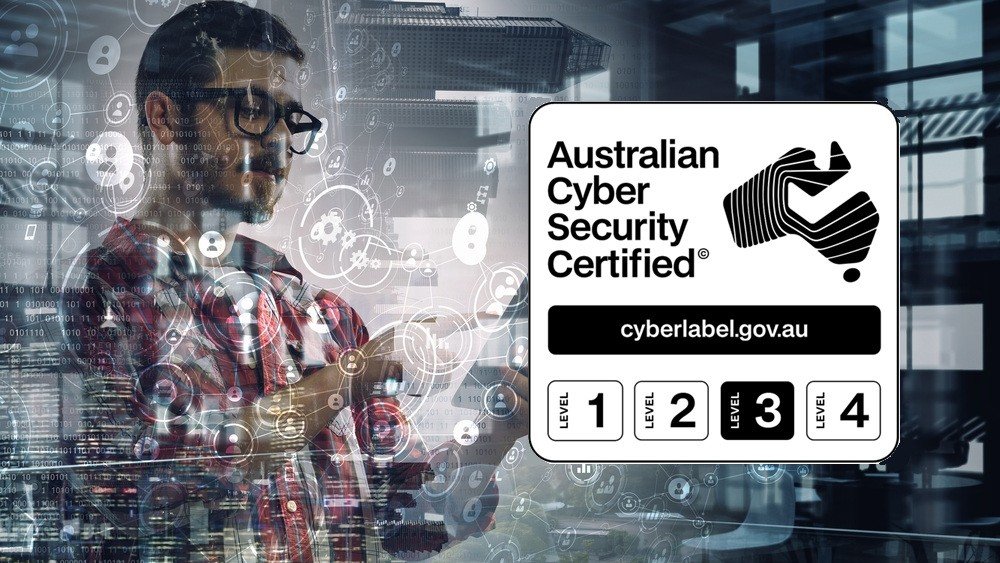
Australia is launching a pilot program for a Security Labelling Scheme for Smart Devices (SLSSD) designed to help consumers identify products meeting security standards, announced Cybersecurity Minister Tony Burke. This initiative, developed by the Connected Technology Alliance (CTA) and funded by the Department of Home Affairs, will label smart home Internet of Things (IoT) products with an information sticker and a security rating out of four.
The scheme applies to various devices, including smart TVs, doorbells, and baby monitors, which have been targeted by cybercriminals, but it does not include connected cars or medical devices. Supported by manufacturers like Telstra and Electrolux, the SLSSD will evaluate products based on criteria set by independent testing labs.
This initiative is part of Australia’s 2023-2030 Cyber Security Strategy, reminiscent of the Health Star Rating System for food. It aims to assist consumers in evaluating the compliance of smart home products against established security standards. These standards, effective since March 2025, mandate the avoidance of default passwords, provide clear reporting options for security issues, and detail the timelines for security updates.
Devices that meet the basic criteria will earn Level 1 status, with more advanced protections leading to higher ratings. The scheme’s goal is to enhance consumer awareness and help avoid poor purchasing decisions as the number of connected devices in homes is expected to rise significantly by 2030.
As part of the Global Cybersecurity Labelling Initiative, Australia’s SLSSD aims to encourage manufacturers to adopt better security practices. Noncompliance could lead to scrutiny from the Department of Home Affairs, which holds enforcement powers to ensure consumer safety and promote industry best practices.
The content above is a summary. For more details, see the source article.









