


Key Takeaways
- Taiwan is enhancing its defense strategy by developing multilayered air defenses and a non-red drone supply chain.
- Lessons from global conflicts stress the need for improved technology integration, maritime awareness, and international cooperation.
- Taiwan plans to bolster its drone capabilities through domestic production and partnerships, notably with Poland.
Taiwan Enhances Defense Strategy Amid Evolving Threats
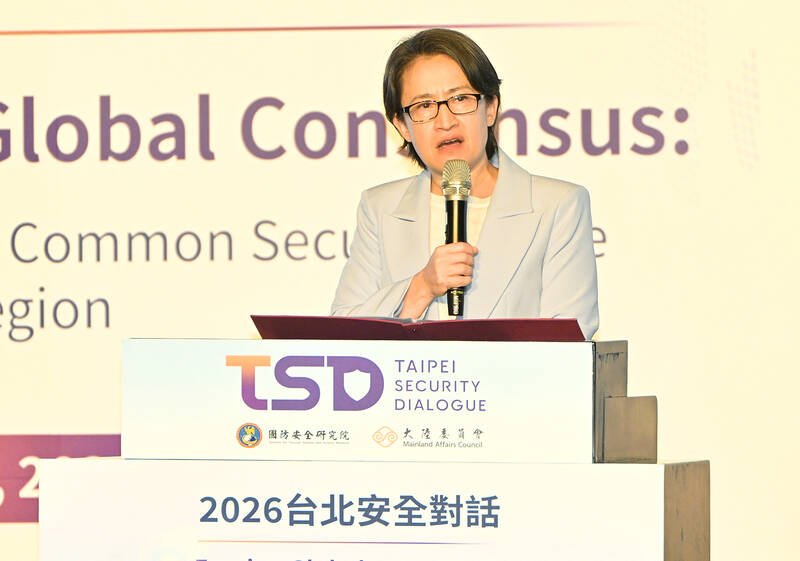
Vice President Hsiao Bi-khim emphasized Taiwan’s commitment to strengthening its defense capabilities to address rapidly evolving threats. Speaking at the Taipei Security Dialogue, she highlighted the importance of multilayered air defenses and integrating emerging technologies, particularly in light of the lessons learned from the Russian invasion of Ukraine. The need for a rapid technology feedback loop was identified as essential for making timely adjustments to defense strategies.
Hsiao pointed out the significance of cost-effective air defense systems and counter-drone technologies, drawing insights from ongoing conflicts in the Middle East. She described the T-Dome project, aimed at linking detection and interception capabilities within a multilayered air defense network. This project will rely on the integration of both high-end and low-cost sensors and interceptors, supported by AI-enabled rapid decision-making and trained personnel.
Highlighting the critical components of effective combat capabilities, Hsiao affirmed that the development of weapons alone is insufficient. Personnel, quality training, robust system integration, and sustained combat readiness are vital for operational effectiveness.
Current global tensions, particularly in maritime regions like the Strait of Hormuz and the Taiwan Strait, have underscored the economic repercussions of disrupted maritime activities. Hsiao called for enhanced maritime domain awareness, stating that sharing intelligence with international partners and utilizing open-source tools could significantly improve situational awareness, threat detection, and documentation of coercive activities.
Furthermore, the National Security Council and the Ocean Affairs Council are collaborating with international partners to counter maritime coercion through protective measures for vital infrastructure, such as undersea cables essential for communications and public services. Hsiao highlighted Taiwan’s strengths in semiconductors, information technology, and precision manufacturing, advocating for closer ties between these sectors and national defense.
In a strategic move to reinforce its defense capabilities, the government has proposed a special budget for drone procurement, focusing on the domestic manufacture of coastal surveillance drones, attack drones, and uncrewed vessels. Hsiao stressed the necessity for a fully non-red supply chain in drone production and procurement.
In related news, Chiayi County Commissioner Weng Chang-liang and representatives from Taiwan’s drone industry recently visited Poland, where they signed a memorandum of understanding with the Pomerania Development Agency. This partnership aims to bolster Taiwan-Poland drone industry ties, exploring avenues for collaboration in manufacturing, AI, and defense technology. Weng noted that Chiayi’s drone industry, which began development in 2020, is actively building a comprehensive supply chain encompassing research, testing, and production.
The content above is a summary. For more details, see the source article.









