


Key Takeaways
- Japan plans to develop AI-equipped tactical satellites to enhance its offensive strike capabilities.
- These satellites aim to speed up targeting decisions and improve missile guidance through real-time data analysis.
- Funding for the project is planned for Japan’s draft defense budget for the 2027 fiscal year, with launches expected by 2030.
Japan’s Satellite Development Plan
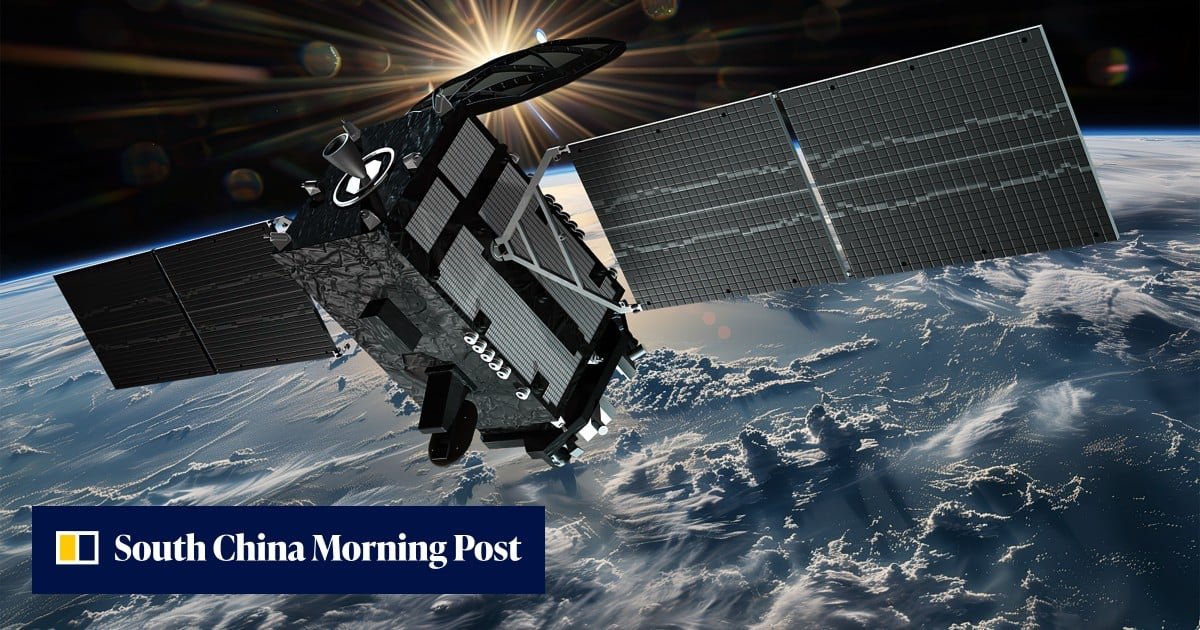
Japan is moving forward with a plan to develop tactical satellites empowered by artificial intelligence (AI), a move that Chinese state media warns could significantly elevate regional military tensions. According to a recent report from the Nikkei, these advanced satellites will analyze surveillance data while in orbit, aiming to enhance Japan’s long-range offensive strike capabilities.
The primary goal of these satellites is to accelerate decision-making processes for targeting and strengthen the nation’s counterstrike capabilities. This includes improved missile guidance systems that leverage real-time information to increase operational efficiency. Unlike traditional reconnaissance satellites that send raw images back to Earth for analysis, Japan’s new system will process data right in space, drastically reducing the time needed for space-to-ground communication.
In conjunction with domestic technology firms, Japan’s defense ministry plans to develop a prototype satellite over the next few years, with ground tests slated to begin soon. Further plans involve launching these satellites starting in the fiscal year 2030, with preliminary funding already included in Japan’s draft defense budget request for the 2027 fiscal year, though specific financial details have not been revealed.
This initiative highlights Japan’s intent to bolster its defense capabilities amid shifting geopolitical dynamics, particularly in the Asia-Pacific region. As Japan continues to advance its military technology, the implications for regional security are under scrutiny, with neighbors like China expressing concern over these developments.
The content above is a summary. For more details, see the source article.









