


Key Takeaways
- QNX and Sift are collaborating to enhance industrial telemetry queries, enabling sub-second insights into machine performance.
- This integration simplifies real-time data access without requiring modifications to existing software on hardware.
- Access to immediate telemetry improves operational diagnostics and informs decision-making for factory automation.
Enhanced Telemetry for Industrial Edge Systems
QNX and Sift have teamed up to deliver sub-second telemetry queries to industrial edge hardware, specifically focusing on applications in factory environments, robotics, and medical settings. This collaboration enhances the ability of engineering teams to monitor machine performance closely, allowing for inspection within one second of telemetry leaving an edge device. The integration provides immediate visibility into operational performance and does not necessitate alterations to existing software binaries or builds.
Austin Spiegel, Co-Founder and CEO of Sift, emphasized the importance of fast learning from machines, stating, “The next decade of hardware will be won by the teams that learn fastest from their machines.” He further discussed the usability of QNX, highlighting its significance for systems where precision is critical from day one without requiring extensive telemetry setups.
The technical aspect of this integration leverages QNX OS 8.0, designed for edge installations. Here, embedded sensors can transmit thousands of simultaneous readouts through various control subsystems. Rather than creating custom logging processes or utilizing external collectors, developers can connect directly with Sift’s platform over established internal messaging paths. Sift efficiently absorbs data by subscribing to telemetry broadcasts from the QNX OS, including MQTT feeds, while also handling proprietary formats through custom pathways.
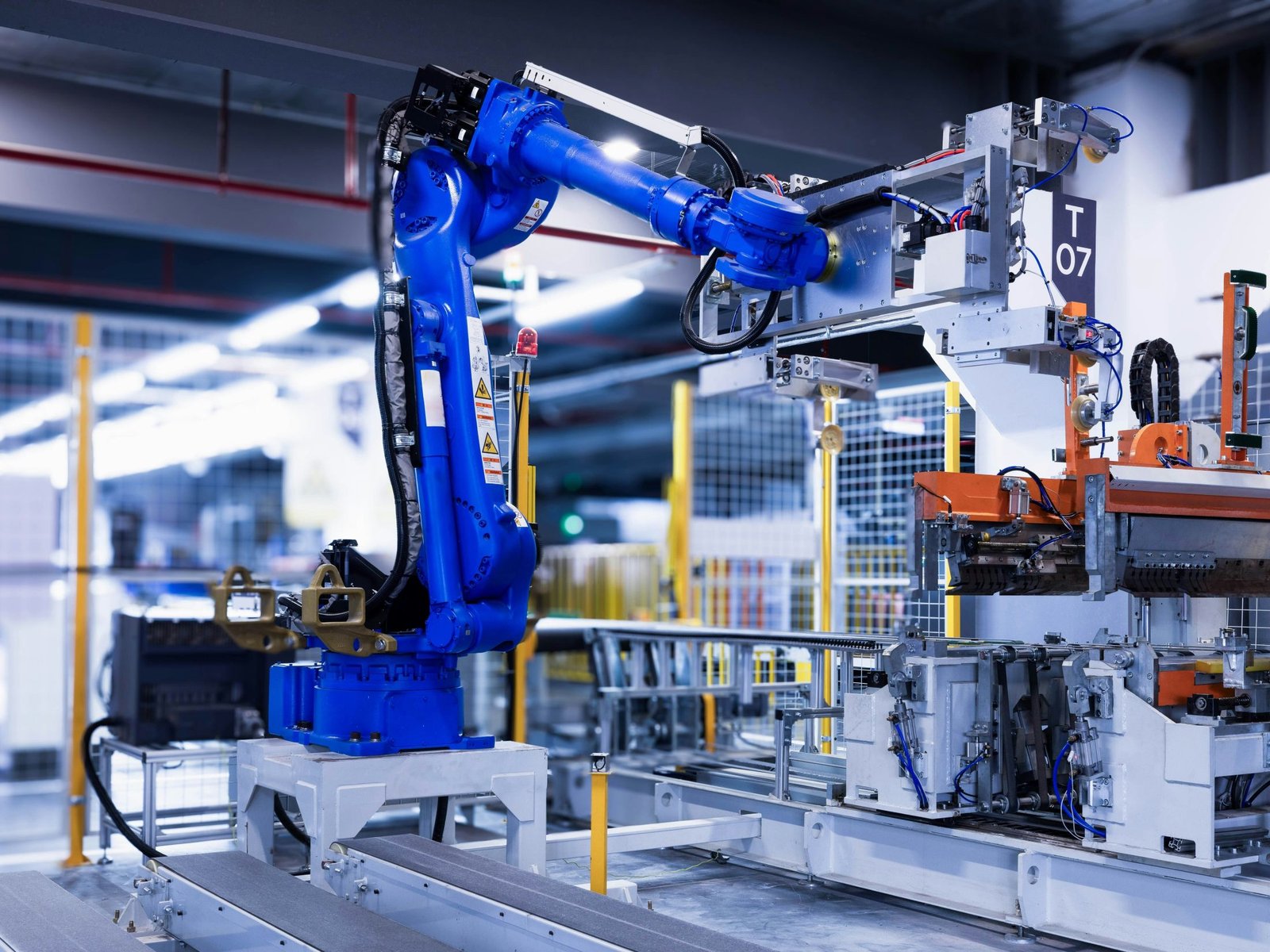
In practice, data such as device telemetry from an automation controller or industrial robotic arm is streamed through a local MQTT broker. The collected messages are made immediately searchable using standard SQL, achieving this within a one-second timeframe.
QNX and Sift’s collaborative efforts focus on enhancing the analysis of industrial subsystem health over time. Physical edge systems generate asynchronous operational records that can complicate typical diagnostics. For example, an automated station might monitor metrics such as motor torque, thermal variations, bus latency, and system memory across different components. Sift organizes these varying data streams into a cohesive chronological index, allowing plant engineers to correlate issues, such as intermittent operational faults, directly with preceding processor loads.
Additionally, engineers can compare the performance of new machinery against historical operational traces from previous units deployed in assembly lines. QNX software, developed by BlackBerry Limited, is utilized in over 275 million vehicles worldwide and serves as the control core for various automation systems, heavy machinery, and robotics supplied by industry leaders like Bosch and Continental.
As factories increasingly adopt physical AI systems that require autonomous decision-making capabilities, access to raw sensor telemetry is pivotal for swiftly identifying hardware anomalies. Romain Saha, Senior Director of Strategic Alliances at QNX, noted, “Our customers build systems where safety and real-time performance are non-negotiable, and they are increasingly asked to do more with the data those systems generate.” He stressed that Sift offers a validated, low-friction pathway for real-time analysis, identifying the growing necessity for operational data as industries evolve with physical AI innovations.
For more insights on the intersection of physical AI and industry, events such as the Physical AI Expo and IoT Tech Expo are taking place across major cities, including Amsterdam, London, and California.
The content above is a summary. For more details, see the source article.









