


Key Takeaways
- Petronila Munoz, leader of the Aeta Hungey tribe, expresses uncertainty over their land’s future amid the development of a US-led tech hub.
- The Philippines joined Pax Silica to enhance supply chains for semiconductors and rare earth elements, aiming to reduce dependence on China.
- Local indigenous communities, including the Aeta, are fearful about the lack of consultation and clarity on the impact on their land and livelihoods.
Concerns of Indigenous Communities
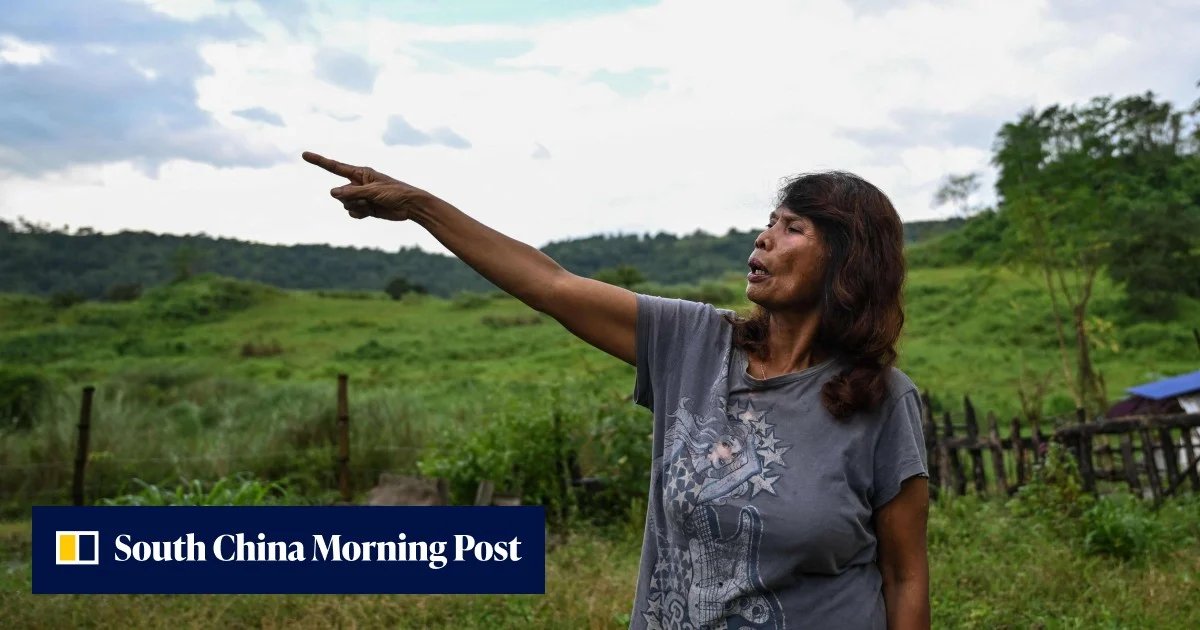
Petronila Munoz, the leader of the Aeta Hungey tribe in the Philippines, finds herself at a crossroads as a developing tech hub related to the US-led Pax Silica initiative begins to take shape on the ancestral grasslands her people have inhabited for generations. This initiative, designed to bolster supply chains for semiconductors and rare earth elements, aims to reduce participating nations’ reliance on China, a move welcomed by the Philippine government.
However, for the Aeta community, the rapid development brings uncertainty and anxiety. Munoz conveyed her concerns about the lack of clarity surrounding land use and the potential impact on their traditional way of life. “What will happen to us? That’s our biggest question,” she remarked during a gathering at the tribe’s traditional meeting hall.
The Pax Silica initiative is seen as an essential step for the Philippines to strengthen its economic position in global markets, especially in the technology sector. Yet, the indigenous communities, including the Aeta, assert that their voices and needs must be considered in discussions regarding land use and resource allocation. The apprehension stems from a history of marginalization and insufficient consultation with local tribes in decision-making processes that affect their land and livelihoods.
The Philippine government has emphasized the initiative’s strategic importance, highlighting its potential to create jobs and foster economic growth. Nonetheless, the lack of detailed information shared with the Aeta raises concerns about land rights and the preservation of their cultural heritage. As the project moves forward, Munoz and the Aeta seek a clearer understanding of their future and the measures that will be taken to protect their interests.
The sentiments echoed by Munoz reflect a broader apprehension among indigenous groups, emphasizing the need for inclusive dialogue and transparency in the implementation of such significant projects. The balance between national interests and the rights of indigenous communities remains a critical issue as the Philippines navigates its role in the global supply chain while upholding its obligations to protect its native peoples.
In summary, the expansion of the US-led Pax Silica initiative poses pressing questions for the Aeta Hungey tribe, raising concerns about the sustainability of their livelihoods and the preservation of their cultural identity amidst landscape changes. The need for consultation and clarity from authorities is paramount as both sides seek a path that acknowledges the rights and needs of indigenous communities while advancing national interests.
The content above is a summary. For more details, see the source article.









