


Key Takeaways
- USDA mandates checkoff programs to prioritize agricultural production and profitability.
- The American Soybean Association urges action ahead of a critical Trump-Xi summit to secure soybean trade commitments.
- New proposals aim to enhance water supply for Western farmers amid ongoing drought challenges.
USDA Directives on Checkoff Programs
The USDA recently issued a directive requiring all federal checkoff programs to align with the priorities of the Trump administration. Undersecretary Dudley Hoskins emphasized a focus on agricultural production, producer profitability, and the reduction of ideologically driven mandates. This announcement coincided with Agriculture Secretary Brooke Rollins directing the National Dairy Board to cease several environmental initiatives. The dairy checkoff is set to review its current contracts and commitments, ensuring they remain focused on authorized promotion, research, and consumer information functions.
Soybean Industry in the Spotlight
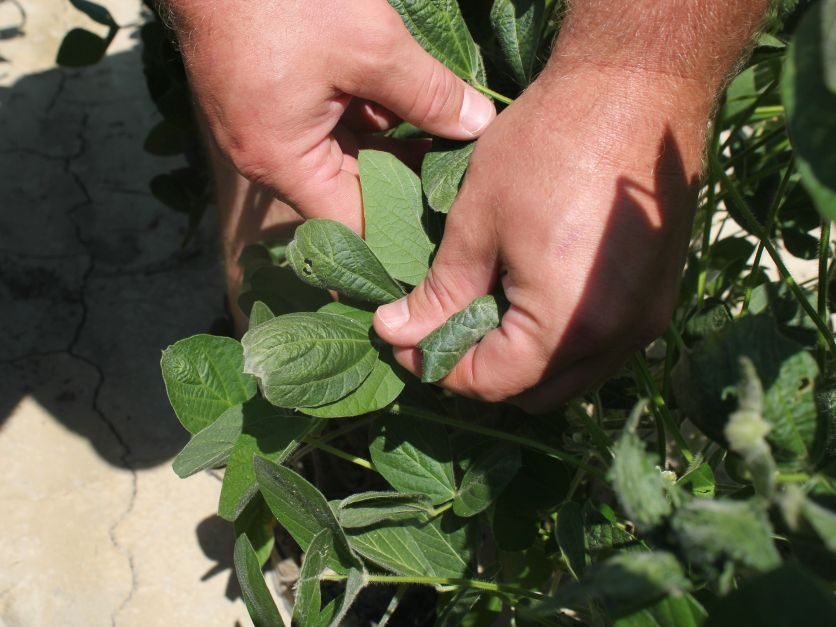
Ahead of an upcoming meeting between President Trump and Chinese President Xi Jinping, the American Soybean Association (ASA) has called on the administration to reinforce commitments for U.S. soybean purchases from China. ASA President Scott Metzger’s letter emphasized the necessity for China to uphold its purchase promises and eliminate trade barriers that disadvantage U.S. soybean producers compared to Brazil. China is the largest market for U.S. soybeans, and last year’s commitments included a pledge for 12 million metric tons to be purchased by the end of 2025 and 25 million annually from 2026 to 2028.
As of last week, it was reported that China had already booked 15.5 million metric tons of U.S. soybeans this season, a significant rise from 3.7 million metric tons the previous year. Although the renewed purchasing activity is promising, ASA advocates for a long-term trade agreement with China to foster market stability, while also seeking the elimination of China’s 10% retaliatory tariff on U.S. soybeans.
Proposed Water Management Bill for Farmers
In light of ongoing drought conditions adversely affecting the West, Senators Ron Wyden and Jeff Merkley have introduced a bill aimed at enhancing water supplies for farmers. The proposal seeks to allow the Bureau of Reclamation to financially incentivize farmers and water users to reduce their water consumption temporarily, funded through its WaterSMART program. The bill allocates $3.5 million annually for five years to support habitat creation for waterbirds and shorebirds.
With many states experiencing record-low snowpack last winter, the need for water conservation is pressing. Senator Michael Bennet has also indicated the federal government’s potential role in supporting water conservation initiatives for agriculture in regions like the Colorado River Basin.
Legal Action Against EPA Over Dicamba
The Center for Biological Diversity has filed a lawsuit against the EPA for allegedly withholding documents related to the reapproval of dicamba for use on cotton and soybeans, which had previously been struck down by federal courts. This lawsuit highlights concerns over the influences of former lobbyists involved in the approval process. The suit aims to obtain communications that occurred during a critical period leading up to the final decisions on dicamba.
Concerns Over Rising Food Prices
A new report from FMI-The Food Industry reveals ongoing consumer concerns about high food prices, exacerbated by rising energy costs. Approximately 68% of shoppers expressed significant worry about grocery prices, with 70% stating their income has not kept up with inflation over the past two years. Experts predict that increasing fuel costs, especially for diesel, will further drive food inflation in the coming months.
In summary, ongoing updates from agricultural sectors reveal a pressing need for alignment with federal directives, heightened interest in international trade commitments, and efforts to manage resource scarcity in the face of climate challenges. These dynamics continue to shape the landscape of American agriculture.
The content above is a summary. For more details, see the source article.









