


Key Takeaways
- Dr. A.K. Singh and Dr. P.S. Pandey visited ICAR-ATARI in Umiam, focusing on the role of KVKs in supporting farmers.
- They emphasized the need for continuous engagement and context-specific agricultural strategies in the North-East.
- The visit concluded with the planting of saplings, symbolizing a commitment to sustainable agricultural development.
Significant Visit to ICAR-ATARI
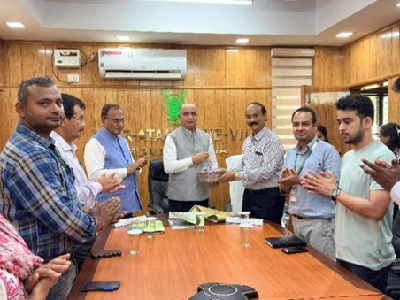
On September 9, 2026, the ICAR-Agricultural Technology Application Research Institute (ICAR-ATARI) in Umiam, Meghalaya, welcomed Dr. A.K. Singh, Vice-Chancellor of Rani Lakshmi Bai Central Agricultural University, and Dr. P.S. Pandey, Vice-Chancellor of Dr. Rajendra Prasad Central Agricultural University. This marked their first visit to the institute, where key discussions on agricultural extension took place.
Dr. Pandey underscored that extension activities should not be limited by time constraints but should involve ongoing engagement with farming communities. He advocated for the KVKs (Krishi Vigyan Kendras) to be recognized as long-term institutions devoted to technology dissemination and capacity building rather than as temporary project-based entities. Emphasizing the importance of KVKs, he stated that achieving a truly inclusive and developed India (Viksit Bharat) is contingent on bolstering these institutions and their interactions with farmers.
In contrast, Dr. Singh focused on the unique agricultural challenges of the North-Eastern region, characterized by small, fragmented landholdings and complex biodiversity. He recommended assessing the performance of KVKs in this region using specific criteria distinct from those applied in plain areas, adapting strategies to the region’s specific socio-economic conditions.
Dr. A.K. Mohanty, Director of ICAR-ATARI, presented an overview of new initiatives, including revenue generation, rural agripreneurship, and collaborative research with various ICAR institutes through KVKs. The dignitaries exchanged views with ICAR-ATARI officials on enhancing research collaboration, technology application, and cohesive extension activities across multiple agencies, aiming to effectively address the unique agricultural challenges faced in the North-East.
The visit not only fostered valuable discussions but also reinvigorated the scientists at ICAR-ATARI with insights into tailored approaches for agricultural extension, institutional collaboration, and strengthening partnerships among stakeholders to optimize the impact of KVKs.
As a lasting mark of their visit, both Dr. Singh and Dr. Pandey planted saplings on the ICAR-ATARI campus, representing their ongoing commitment to sustainable agricultural development and support for the farming community. The institute expressed its gratitude for their visit and meaningful engagement.
The content above is a summary. For more details, see the source article.









