


Key Takeaways
- The Puerta de Oro solar PV plant, one of Colombia’s largest, is now operational and covers nearly 530 hectares.
- Patria Investments played a key role in the project, contributing to its development and financing.
- Isagen expands its portfolio with a 360MW solar PV plant, collaborating with Atlas Renewable Energy on a significant 1GW project.
Major Developments in Colombia’s Solar Energy Sector
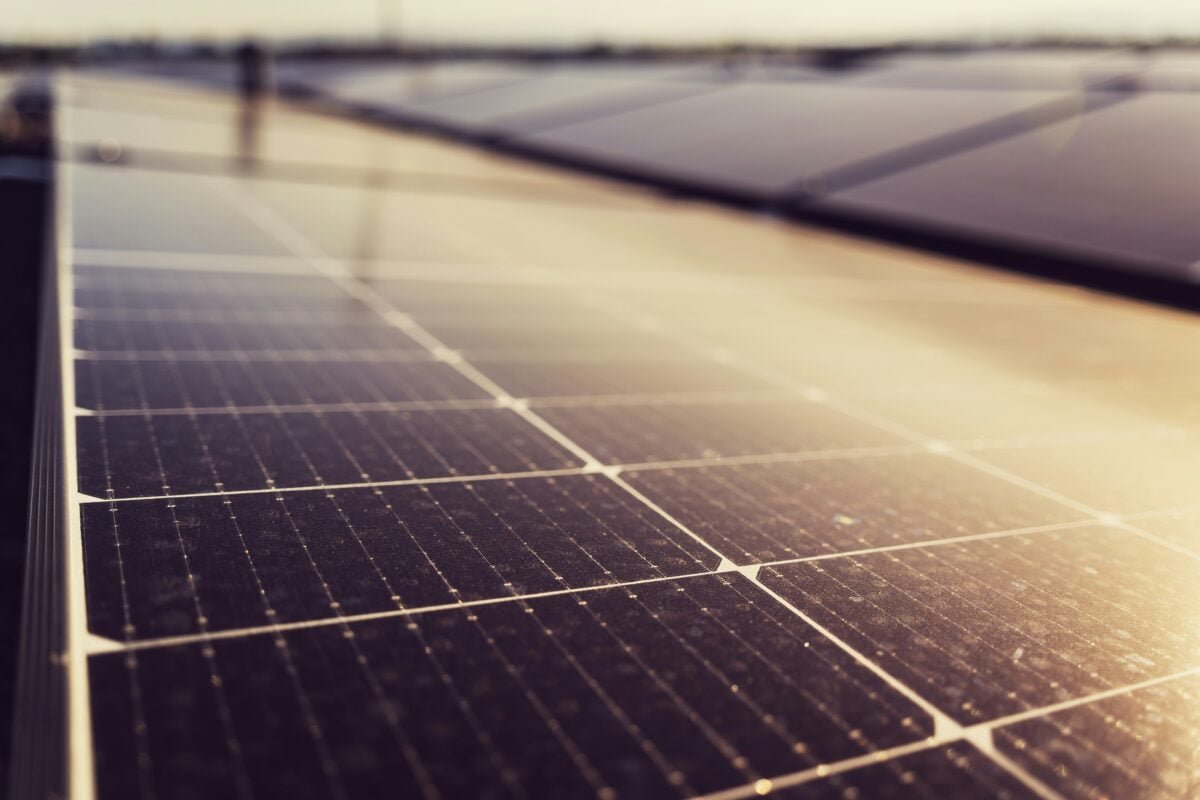
Colombia’s renewable energy landscape has seen significant growth with the commissioning of the Puerta de Oro solar PV plant, one of the country’s largest solar projects. Located in the Cundinamarca department, this expansive facility began commercial operations earlier this year, featuring over 511,000 solar modules spread across nearly 530 hectares.
José Mestres, a Partner at Patria Investments, emphasized the project’s importance, stating, “Puerta de Oro is a strong example of Patria’s ability to identify compelling infrastructure opportunities and create value by taking projects through the full development cycle.” This includes phases from structuring and financing to construction and commercial operation, underscoring the project’s role in enhancing Colombia’s energy system for the foreseeable future.
In addition to the Puerta de Oro project, Isagen is bolstering its solar energy portfolio with the acquisition of a 360MW solar PV plant. This expansion follows Isagen’s prior collaboration with independent power producer (IPP) Atlas Renewable Energy, aimed at enhancing renewable energy capacity in Colombia. Together, they have been involved in developing a substantial 1GW solar PV portfolio in the region. Notably, they successfully commissioned the 201MW Shangri-La solar project last year in Tolima.
As Colombia moves forward, a new grid expansion plan introduced by the previous government aims to facilitate the addition of 6GW of renewable energy capacity, primarily focusing on solar and wind projects in the Caribbean region. This initiative, with a projected investment of up to US$1.7 billion, is anticipated to significantly enhance the country’s renewable infrastructure and support its transition to a more sustainable energy system.
The content above is a summary. For more details, see the source article.









