


Key Takeaways
- Trump and Xi address critical issues, including trade, AI regulation, and the Iran conflict during their meeting.
- A federal judge has suspended Trump’s ban on CNN, MS NOW, and Politico, restoring their access to the White House.
- The White House state dinner for Xi will feature a red theme, celebrating Chinese cultural significance, and includes a menu showcasing sesame-crusted sea bass.
U.S.-China Talks Amid Complex Issues
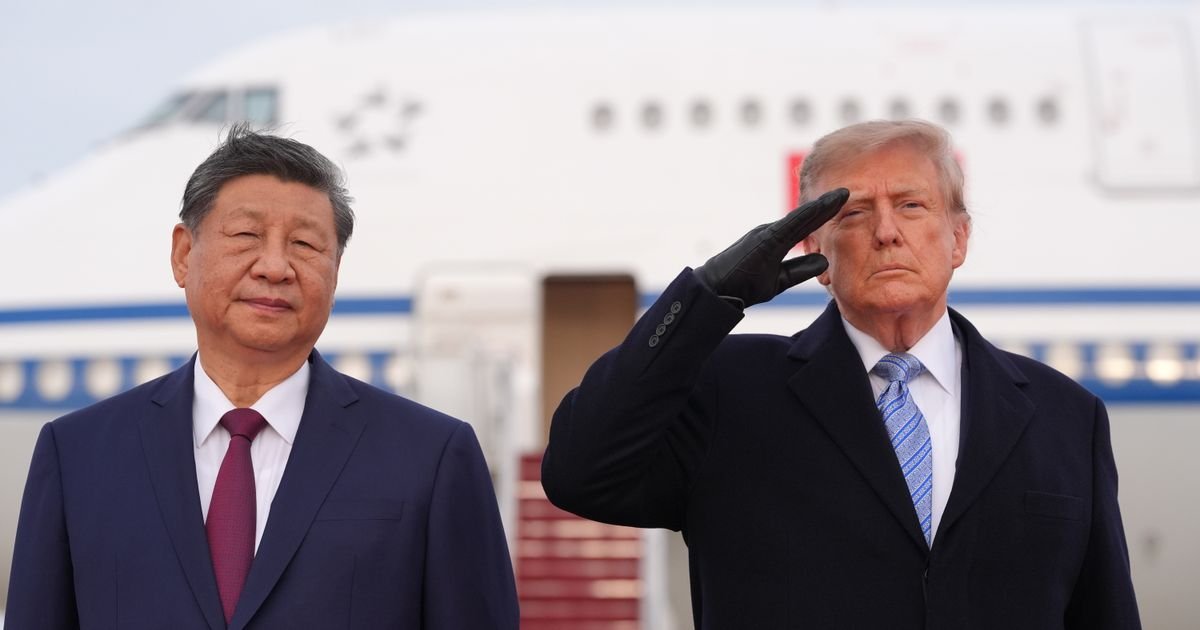
Presidents Donald Trump and Xi Jinping are set to meet at the White House to navigate several significant issues, most notably trade tensions, AI safety measures, and the ongoing conflict in Iran. Trump is urging China to leverage its influence over Iran, while Xi is advocating for an end to U.S. arms sales to Taiwan. Furthermore, after a recent agreement, the two countries have decided to extend a fragile trade truce, which was initially set to expire in November, by two months.
In a separate development, a federal judge has temporarily blocked President Trump’s ban on three major news organizations—CNN, MS NOW, and Politico—further escalating the ongoing dispute between the administration and media outlets that reportedly criticize Trump’s conduct. The judge’s ruling restores White House access for these outlets, who argued the ban violated their First Amendment rights.
Additionally, a lavish state dinner in honor of Xi Jinping will take place in the White House East Room, featuring rich décor in red, symbolizing Chinese cultural heritage. The ceremony will commence with a toast reminiscent of the historic “Toast to Peace” exchanged between President Richard Nixon and Chinese Premier Zhou Enlai in 1972. The dinner menu includes sesame-crusted sea bass paired with braised bok choy, along with a dessert of White House honey ice cream. After the meal, entertainment will be led by American tenor Christopher Macchio, with performances from U.S. military musicians.
On the topic of artificial intelligence, China’s commerce ministry announced that Beijing will maintain communication with the U.S. following their inaugural dialogue dedicated to AI. U.S. Treasury Secretary Scott Bessent and Chinese Vice Premier He Lifeng recently engaged in economic discussions in New York, although specific details on the dialogue were not disclosed. Bessent has indicated that the U.S. proposed a mechanism for notifying each other regarding national security incidents related to AI.
As these leaders prepare for their talks, both seem to believe that advantages are held in the element of time, suggesting a strategic stalemate in one of the most consequential economic and national security competitions globally.
The content above is a summary. For more details, see the source article.









