Key Takeaways
- Space-based solar power (SBSP) could secure the U.S. energy future but risks falling behind China’s advancements.
- The technology offers 24/7 energy supply, potentially providing five to six times more power than ground-based solar systems.
- A joint technical feasibility study on SBSP is recommended for immediate congressional action to ensure U.S. leadership in space energy resources.
Emerging Technology with Global Implications
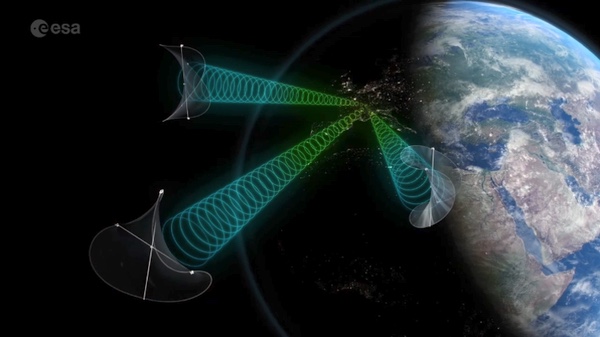
Space-based solar power (SBSP) is gaining attention as a critical solution for future energy needs. At a recent congressional briefing, experts urged the U.S. to ramp up efforts in SBSP technology to avoid falling behind China, which plans to launch a prototype system by 2030. “China will be producing this in less than 20 years, and we’ll be buying from them,” warned SBSP expert Peter Garretson.
Experts estimate that upgrading the power grid to meet energy demands could require over $21 trillion by 2050. Energy represents a significant piece of global GDP, leading to substantial market opportunities. Unlike traditional solar farms, SBSP can deliver power continuously, unhindered by weather or time of day, and may provide five to six times more energy than land-based panels.
The urgency for SBSP’s development is underscored by the need to supply the U.S. East Coast power grid, which serves 65 million people and needs the equivalent of 15 nuclear power plants in new capacity within the next decade. Ongoing retirements of coal plants and extreme weather events pose challenges to grid reliability.
SBSP technology allows for precise beaming of power, which could alleviate the extended timelines typically involved in constructing new transmission lines. Portable receiver stations could quickly restore power following natural disasters, demonstrating a practical advantage over existing energy sources.
While China has a coordinated national program to advance SBSP, the U.S. faces organizational hurdles. The technology spans multiple federal jurisdictions, complicating development efforts. However, recent legislative support, including provisions in the NASA-DOE Interagency Coordination Bill, shows growing U.S. interest in SBSP.
Two American companies have already demonstrated critical components of SBSP technology. With proper investment, it is projected that a gigawatt-scale system could be operational within 10 to 15 years. The geopolitical implications are significant; leading in this technology can enhance national security by demonstrating advanced capabilities in space logistics and power transmission.
To ensure the U.S. remains competitive, Congress should prompt a 120-day feasibility study of SBSP, collaborating with key agencies such as NASA and the Department of Defense. This study aims to guide the U.S. in developing a comprehensive plan for rapid technology maturation.
Ultimately, space-based solar power offers a strategic pathway toward energy independence and reliability, addressing pressing energy challenges while also supporting climate goals. With a concerted national effort, the U.S. could take the lead in harnessing this emerging space resource.
The content above is a summary. For more details, see the source article.