


Key Takeaways
- Innovations in genomics, AI, and robotics are transforming agriculture, leading to faster, cost-effective crop improvements.
- Companies are developing advanced products like mini proteins and molecular glues to enhance crop protection while addressing resistance issues.
- AI-driven farming solutions, including physical agents and robotics, are increasing yield and operational efficiency in produce farming.
Transforming Agriculture Through Technology
At the World Agri-Tech Summit in San Francisco, entrepreneurs and scientists showcased groundbreaking technologies reshaping agriculture. The convergence of AI, genomics, and robotics is creating new opportunities for crop production, drastically reducing research and development timelines, increasing yields, and establishing novel methods for crop protection.
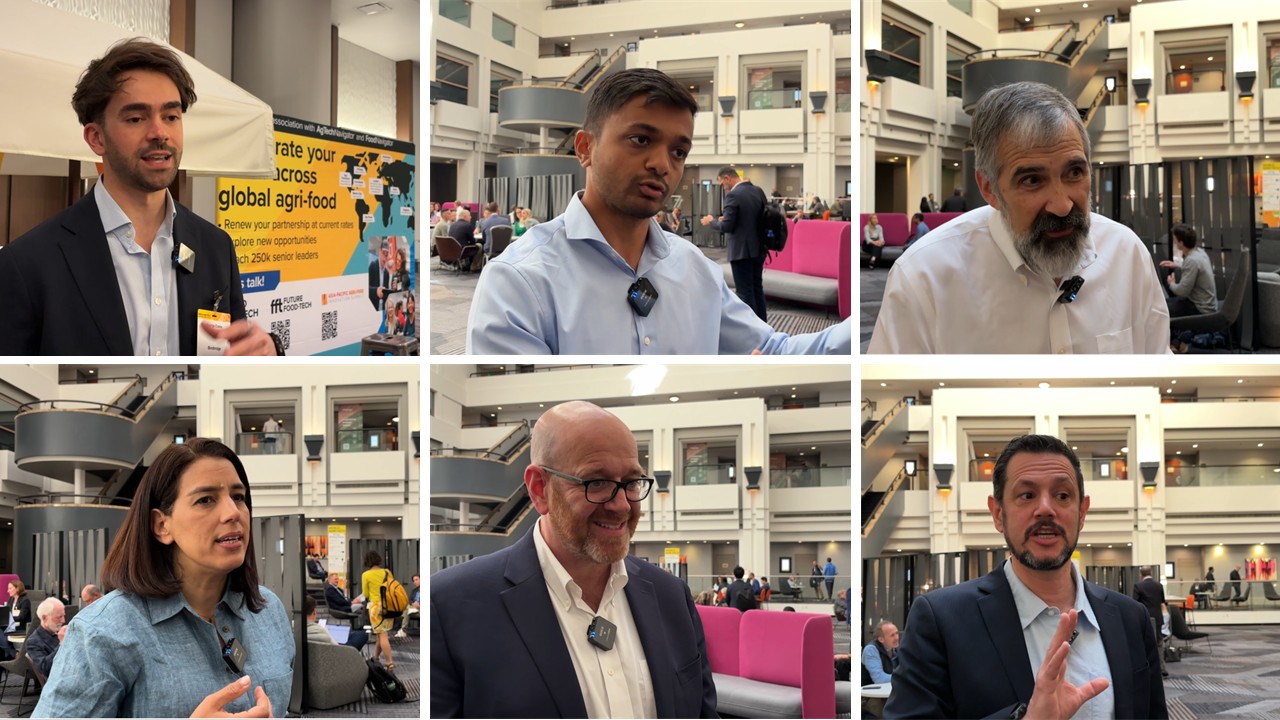
Dr. Brad Zamft, cofounder and CEO of Heritable Agriculture, emphasized three pivotal technological disruptions affecting crop improvement. The first is the significant reduction in costs for DNA and RNA sequencing, which, when paired with improved measurement techniques for proteins and other biological components, offers unparalleled insights into biological systems. The second disruption involves enhanced data collection through drones and satellites, allowing for comprehensive environmental monitoring. Lastly, artificial intelligence plays a crucial role in interpreting this vast amount of data, making it feasible to understand complex agricultural relationships.
Dr. Jonathan Lightner, cofounder and CEO of Quercus Biosolutions, highlighted the potential of mini proteins. Positioned between traditional chemical crop protection—dominating the market—and biological solutions, these designed proteins aim to deliver consistency while mitigating environmental impacts and regulatory complexities associated with more complex biological interventions.
George Crane, PhD, from Bindbridge introduced the concept of molecular glues that can catalytically degrade multiple proteins. This groundbreaking approach contrasts traditional methods by targeting non-catalytic sites to overcome resistance, thereby opening new avenues for crop protection that were previously deemed undruggable.
Polybee’s founder, Siddharth Jadhav, discussed the utilization of physical AI agents, specifically autonomous drones, to convert unpredictable farming environments into data-driven operations. These drones gather critical data, forecast yields, and monitor plant stress, resulting in yield increases of 10-15% for farmers who implement their recommendations.
Ricardo Garcia de Alba, CEO of Meiogenix, explained their innovation in genetic recombination during meiosis, enabling targeted access to genetic traits that conventional breeding techniques cannot easily obtain. This technology assists breeders in developing crops with desirable traits through precision.
Additionally, Liron Cohen Yanay, CEO of AgriPass, showcased how their robotics replicate human weeding processes to address labor shortages and resistance to herbicides. By incorporating AI for real-time decision-making, their system effectively identifies weeds, enhancing agricultural efficiency.
The integration of these technologies not only aims to solve pressing agricultural challenges but also represents a leap toward sustainable farming practices. The convergence of these innovations signifies a promising future for the agriculture sector, ultimately leading to increased productivity and food security.
The content above is a summary. For more details, see the source article.









