


Key Takeaways
- Acceptance of autonomous vehicles, particularly Waymo’s robotaxis, is higher in cities where they currently operate.
- Safety concerns about autonomous vehicles are prevalent, especially among women and parents.
- Waymo plans to expand its services into 11 new cities while Tesla is preparing to launch in seven new cities this year.
Public Sentiment Towards Autonomous Vehicles
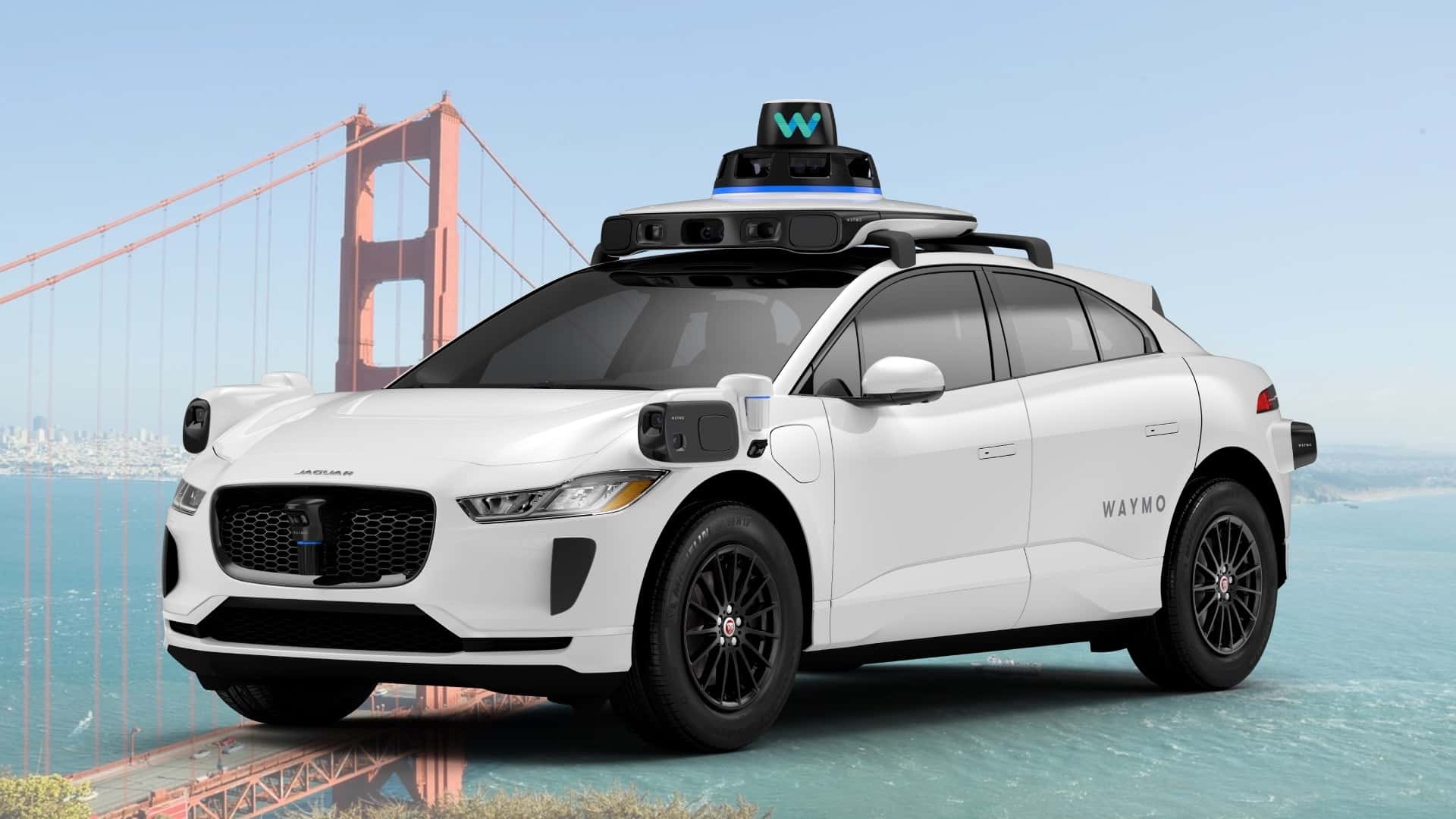
As the deployment of robotaxis gains momentum across the U.S., public attitudes toward autonomous vehicles show a significant divide based on familiarity. Waymo, owned by Alphabet, is set to expand into 11 new cities this year. Meanwhile, Tesla plans a rollout in seven new U.S. locations, in addition to their existing services in Austin and San Francisco.
A recent survey by the Electric Vehicle Intelligence Report, which sampled over 3,000 U.S. consumers, indicates that residents in cities where Waymo operates are more optimistic about robotaxis. Specifically, 52% of those living in Waymo’s service areas support the legality of robotaxis, in stark contrast to only 34% of residents in areas where Waymo has yet to establish operations. This disparity underscores a common sentiment that seeing the technology in action fosters greater acceptance.
Waymo asserts that its robots are significantly safer than human drivers, citing statistics showing a 90% reduction in crashes and an 82% decline in airbag deployments compared to human-operated vehicles. The company’s approach utilizes an advanced array of lidar sensors, cameras, and radar systems to navigate safely. Despite these claims, the technology is not without flaws. Waymo’s vehicles have been involved in several accidents, including a recent incident in Santa Monica where a child was struck. This event has prompted a federal investigation by the National Highway Traffic Safety Administration.
The survey also highlights differing concerns among various demographics. Among women in Waymo service areas, 56% are more worried about the safety of autonomous vehicles compared to potential risks from human drivers. However, this concern escalates for women outside of these areas, with 69% expressing more apprehension towards driverless car technology than traditional drivers.
Parental acceptance remains notably low. The survey indicates only about 30% of respondents living in Waymo’s service areas would allow their children under 18 to ride in robotaxis, as opposed to 70% who would not. In regions without Waymo, this acceptance drops further, with just 12% willing to let their children ride in robotaxis while 88% are firmly against it.
With nearly half a million paid rides per week in cities like Austin, Los Angeles, Phoenix, San Francisco, Miami, and Atlanta, Waymo’s services are becoming routine. However, future expansion into cities with more challenging weather and road conditions, such as Detroit and New York, presents significant hurdles. The ability of robotaxis to gain public acceptance in these environments remains uncertain, posing a critical question for the future of autonomous vehicles in the American urban landscape.
The content above is a summary. For more details, see the source article.









