


Key Takeaways
- Contemporary wellness enthusiasts are increasingly embracing ancient remedies alongside modern tools.
- Kanna, a plant extract from South Africa, is gaining popularity for its mood-enhancing and relaxation benefits.
- Indigenous knowledge and traditional practices are informing contemporary health trends.
Balancing Ancient Wisdom and Modern Wellness
The wellness industry is witnessing a noteworthy shift as consumers navigate between cutting-edge innovations and age-old remedies. Increasingly, individuals seeking holistic health solutions are turning to traditional plant-based treatments, one standout being kanna. This extract, derived from a South African succulent, is celebrated for its calming and mood-boosting properties and has been utilized for centuries by Indigenous communities.
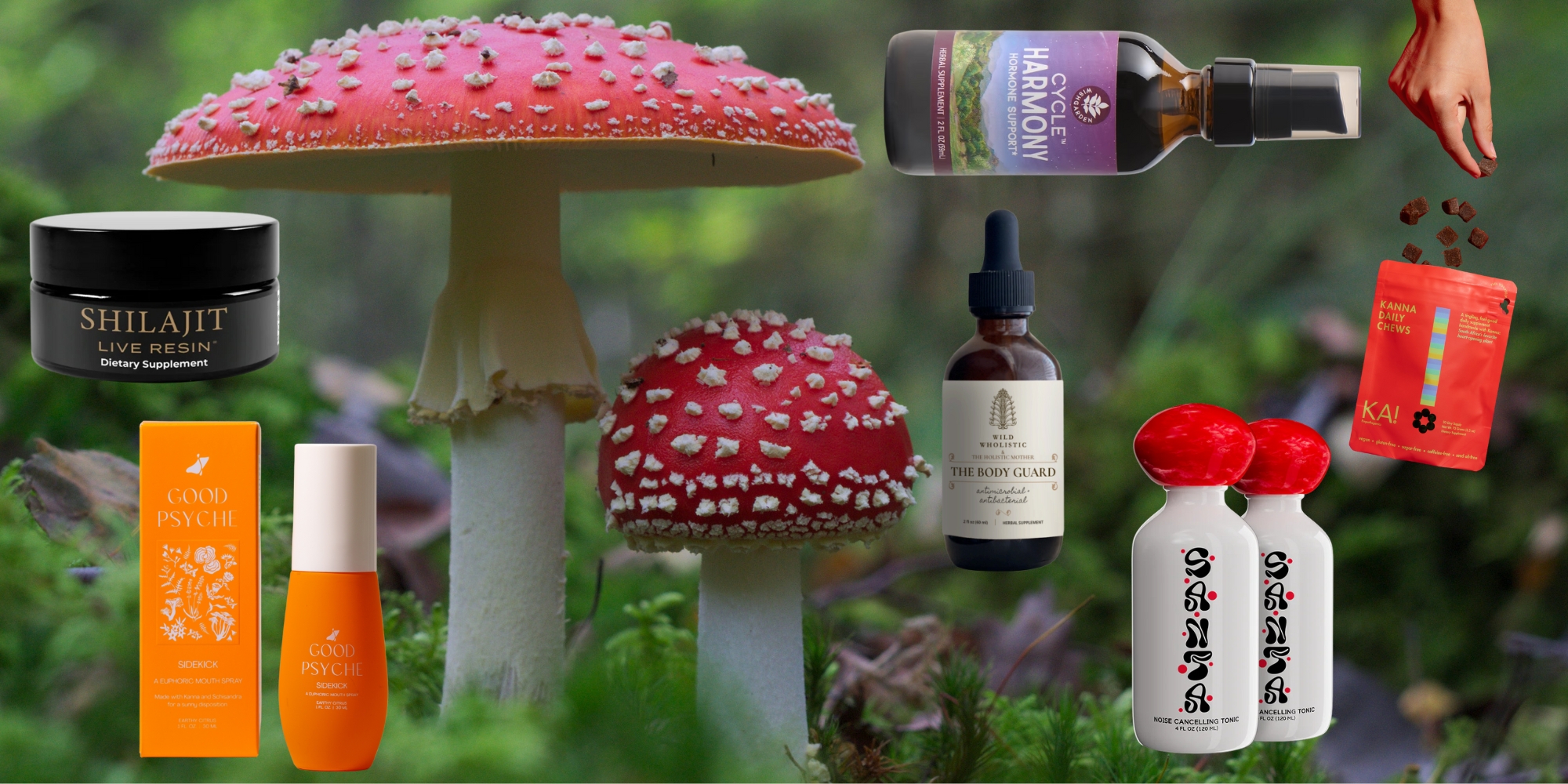
As interest in natural ingredients expands, kanna has begun making appearances in various wellness products, including supplements, teas, and even beauty items. With rising concerns about mental health and stress management, more people are drawn to traditional remedies that offer a sense of reliability and familiarity. Kanna’s reputation is built upon historical usage, providing a contrast to the rapid development of modern wellness technologies.
The juxtaposition of ancient and contemporary practices highlights a broader trend wherein people crave authenticity and natural solutions amidst an increasingly complex wellness landscape. This shift signifies a demand for more than just quick fixes, with consumers looking for depth and sustainability in their health journeys.
Advocates for kanna emphasize its therapeutic potential and advocate for further research into its effects. As it gains traction, kanna may symbolize a bridge between centuries-old wisdom and modern scientific exploration, potentially reshaping the way wellness products are formulated and marketed.
The resurgence of traditional ingredients like kanna underscores an important conversation about the value of Indigenous knowledge systems. As these ancient remedies infiltrate mainstream wellness culture, it brings to light the importance of respecting and understanding the origins and cultural significance behind these practices.
In conclusion, the wellness world is increasingly characterized by a symbiotic relationship between old and new. As consumers navigate their health choices, the appeal of traditional plant ingredients continues to grow, signaling a recognition of their enduring value in enhancing overall well-being. This trend reaffirms the relevance of historical wisdom in today’s fast-paced and often overwhelming health environment.
The content above is a summary. For more details, see the source article.









