


Key Takeaways
- The Connectivity Standards Alliance has launched the Aliro 1.0 specification to standardize mobile access control systems across various sectors.
- Aliro enables seamless integration with major mobile wallets like Apple Wallet, allowing users to unlock doors using smartphones and wearables.
- Leading tech companies are backing Aliro, promising to modernize access control systems and improve user experience in both enterprise and residential settings.
Aliro Specification Overview
The Connectivity Standards Alliance has introduced the Aliro 1.0 specification to address the shortcomings of traditional enterprise access control systems, which rely heavily on legacy Windows-based systems and physical key cards. The new standard aims to unify how mobile devices authenticate with door readers across sectors such as enterprise, government, healthcare, and even residential buildings.
Aliro is part of a broader initiative similar to Matter, designed to standardize interactions between devices. However, Aliro focuses on physical access management. It features a universal communication protocol, eliminating reliance on vendor-specific applications. This means that smartphones and wearable devices can authenticate with door systems securely and seamlessly. The standard supports various technologies including Near Field Communication (NFC) for tap access, Bluetooth Low Energy for longer-range communication, and Ultra-Wideband for hands-free unlocking.
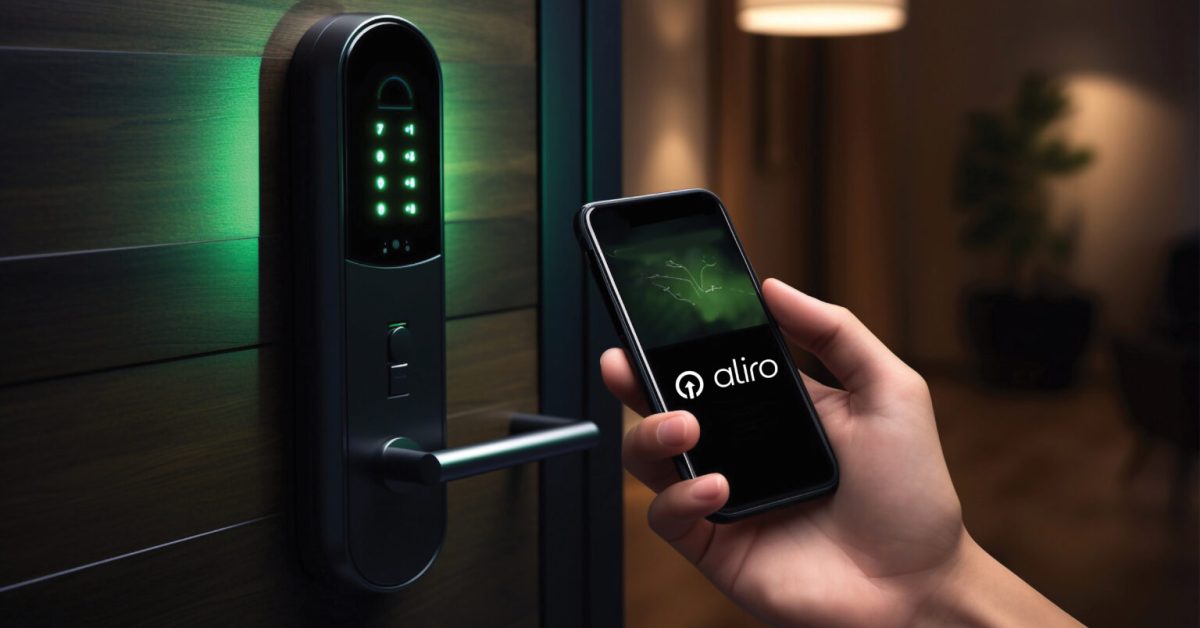
With notable support from major tech companies like Apple, Google, and Samsung, Aliro offers a significant advantage. The integration with mobile wallets allows users to unlock doors in a manner familiar to them, such as using Apple Pay. For instance, employees can automatically unlock office doors by simply approaching with their smartphone or smartwatch, thanks to Ultra-Wideband technology.
The introduction of Aliro promises to simplify digital key adoption in the access control industry, reducing vendor lock-in and fostering innovation. The certification program is now open, with expectations for compliant enterprise hardware available later this year. This shift towards standardized protocols signifies a major advancement in access control technology, enhancing user experiences across various applications.
The content above is a summary. For more details, see the source article.









